Advanced Wound Care Manufacturers & Factories for Kiribati
Empowering Pacific Healthcare Networks with Medical-Grade Hydrocolloids, Portable NPWT Systems, and Bio-Active Healing Therapies Optimized for Equatorial and Remote Island Climates.
Featured Clinical Wound Formulations
Engineered to accelerate dermal remodeling, suppress microbial infiltration, and maintain physiological moisture levels in tropical marine environments.
1. The Critical Paradigm of Advanced Wound Care in Kiribati
Kiribati, an archipelagic nation spanning 33 atolls and islands in the central Pacific, presents one of the most logistically demanding environments for medical supply chains and wound care delivery. With its population centers dispersed across vast ocean distances—primarily concentrated in South Tarawa and distributed outward to remote islands like the Line and Phoenix groups—local health clinics (commonly known as Maneaba-integrated dispensaries and clinic posts) confront unique epidemiological and geographic realities.
The prevalence of non-communicable diseases (NCDs), particularly Type 2 Diabetes Mellitus, is extraordinarily high across the Pacific. In Kiribati, diabetic foot ulcers (DFUs), venous stasis ulcers, and chronic wound infections represent a significant portion of inpatient admissions at the Tungaru Central Hospital (TCH) in Nawerewere. If left unmanaged, these minor abrasions rapidly progress to severe deep-tissue infections, cellulitis, osteomyelitis, and ultimately, lower-limb amputations.
The Environmental Matrix: High Humidity, Salinity, and Pathogen Load
Standard medical dressings fall short in equatorial oceanic environments. The combination of high ambient temperatures (persistently averaging 28°C to 32°C), relative humidity levels exceeding 80%, and ambient fine coral dust creates a challenging environment for wound healing:
Adhesion Degradation: Traditional acrylic adhesives soften and peel under intense sweat and high humidity, exposing the wound bed to external contaminants.
Bacterial Proliferation: Warm, moist microenvironments accelerate the reproduction of virulent pathogens, including Gram-negative pseudomonas and methicillin-resistant Staphylococcus aureus (MRSA), which readily colonize open wounds.
Microclimate Maceration: Excessive exudate trapped beneath low-permeability film dressings causes healthy periwound skin to soften and break down, enlarging the wound margin.
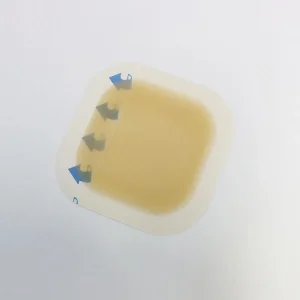
To address these challenges, advanced wound dressings must incorporate specialized features. Specifically, they must utilize moisture-vapor transmission rate (MVTR) self-regulating membranes and highly cohesive hydrocolloid matrices that resist salt-water ingress and sustain structural integrity under physical stress.
29+
Invention Patents
ISO 13485
Medical Quality Cert
CE Approved
European Compliance
Zero-Loss
Hermetic Packaging
2. Global Industry Trends and Tech Roadmap
Globally, the advanced wound care sector is shifting from passive protective barriers to active, bio-interactive interfaces. Modern protocols place emphasis on the TIME framework (Tissue debridement, Infection control, Moisture balance, and Edge advancement). Innovations in polymer chemistry have led to intelligent dressings that respond to the pH and temperature variations of the wound exudate, releasing localized antimicrobials or signaling molecules when bacterial loads increase.
Technological Milestones in Modern Wound Care
1. Smart Hydrocolloids: Incorporating carboxymethylcellulose (CMC) with hydrophobic polymers and cohesive agents to optimize absorption without gel disintegration.
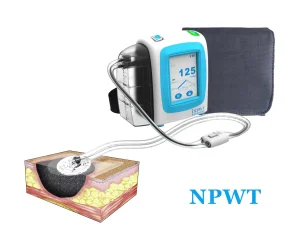
2. Portable Sub-Atmospheric Therapy (NPWT): Miniaturized, single-use mechanical systems that apply localized negative pressure to promote perfusion, reduce localized edema, and accelerate granulation tissue formation without restricting patient mobility.
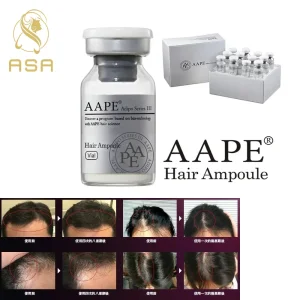
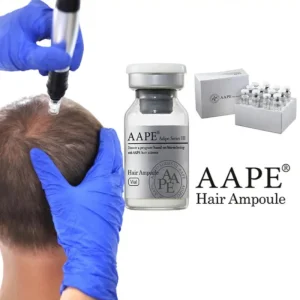
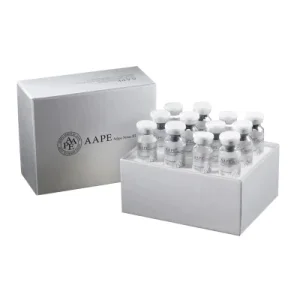
3. Biocompatible Epicutaneous Regrowth Factors: The use of highly concentrated stem-cell derived growth factor complexes (such as AAPE) to stimulate dormant fibroblast pathways in chronic, non-healing wounds.
Adapting Advanced Technology for the Pacific Islands
The priority for factories exporting to Kiribati and the broader Micronesian region is securing product stability during transit. High thermal tolerance, moisture-barrier bulk packaging, and simplified application procedures are critical. This ensures that community nurses working in remote areas can apply these dressings successfully without requiring complex clinical infrastructure.
3. Manufacturer Excellence: Jiangsu BRJ Medical Co., Ltd.
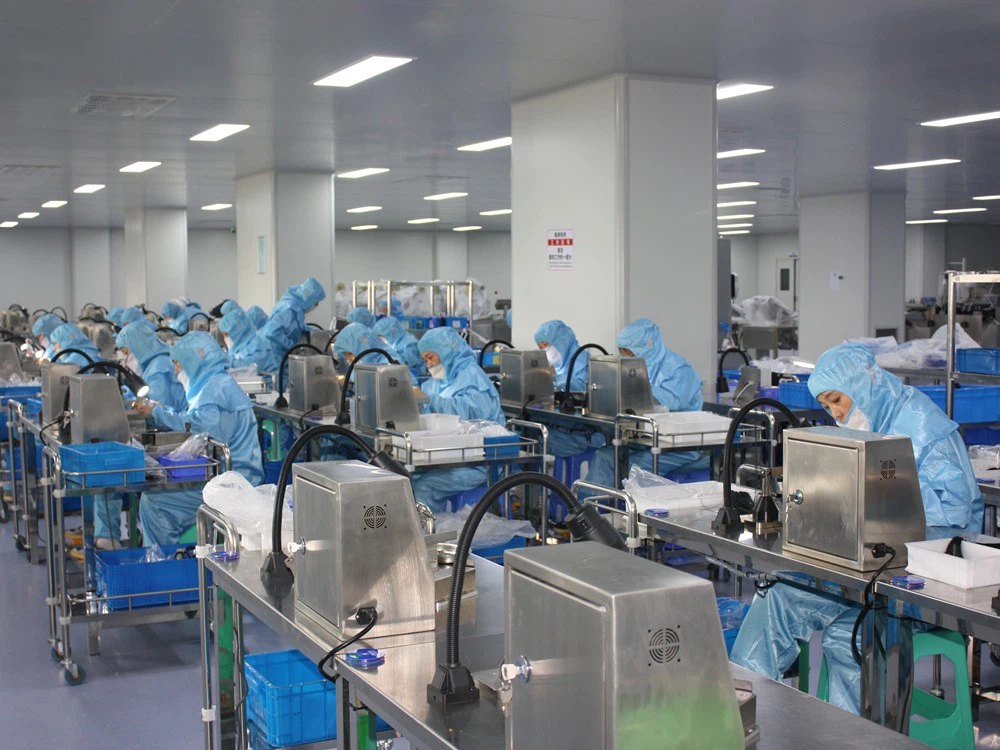
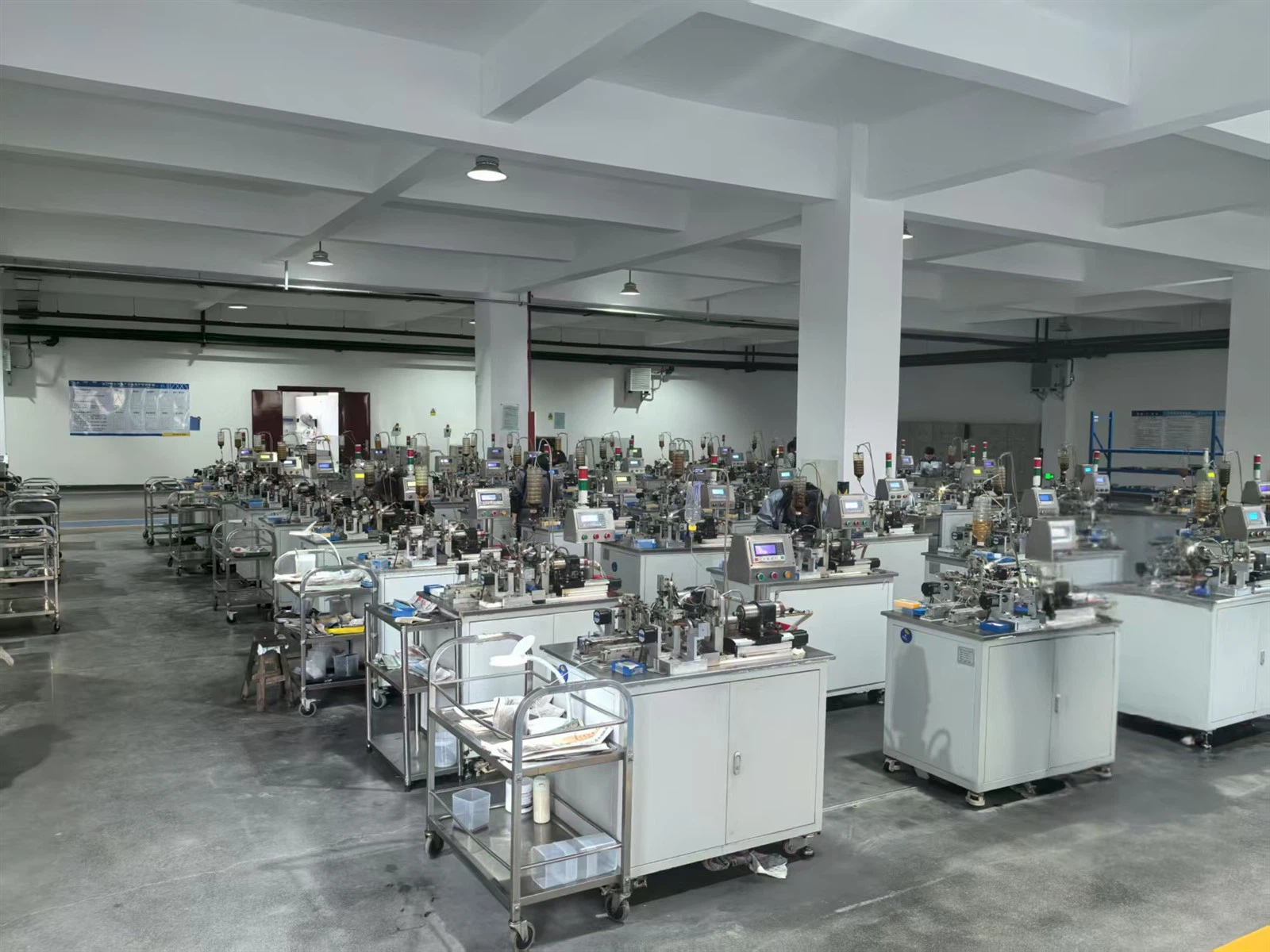
Founded in May 2004, Jiangsu BRJ Medical Co., Ltd. is a leading manufacturer specializing in the research, development, production, and distribution of high-quality surgical sutures, surgical needles, and other related medical instruments. Our enterprise serves as a foundational link in the global clinical supply chain, bridging advanced material science with scalable, automated production pipelines.
We are committed to providing a wide range of products that meet the highest quality standards both domestically and internationally. Our products comply with major certifications including CE, ISO 13485, ISO 14001, ISO 45001, and we hold all the necessary production licenses to meet global market requirements. This ensures that every product we manufacture adheres to stringent safety, reliability, and effectiveness standards.
At Jiangsu BRJ Medical Co., Ltd., we firmly believe in the importance of innovation and continuous improvement. Our philosophy is built on modern techniques, superior quality, and complete customer satisfaction. Over the years, we have heavily invested in developing and integrating advanced technologies into our manufacturing processes. As a result, we have earned 29 invention patents and have successfully implemented fully automated production systems, which not only enhance product quality but also increase operational efficiency. This has helped us maintain our competitive edge in the ever-evolving healthcare industry.
Our Core Values:
Continuous Innovation: Our ongoing efforts to stay ahead of technological trends and incorporate the latest advancements in our production processes.
Commitment to Quality: Each of our products undergoes rigorous quality control and testing to ensure that we deliver only the best to our customers.
Global Responsibility: We aim to contribute positively to public health, environmental sustainability, and social well-being through our products and practices.
Our Vision: To become a world-class leader in medical device manufacturing by consistently offering innovative, high-quality solutions that support healthcare professionals and improve patient care worldwide.
4. Macro Solutions: Localized Application Scenarios in Kiribati
Deploying advanced wound dressings in Kiribati requires a systematic approach. The table below outlines how our products are integrated into the local healthcare infrastructure, from municipal hubs to remote dispensaries:
Clinical Scenario
Environmental Challenge
Target Solution (BRJ Medical Line)
Diabetic Foot Ulcer Exudate Control
High saline air & moisture-induced adhesive failure.
Hydrocolloid Waterproof Dressing with cross-linked CMC gel polymers that stay in place even in high-humidity coastal zones.
Post-Surgical Abdominal Closure
Vast distances from clinics to primary hospitals in Tarawa.
Portable Surgical NPWT Systems to provide continuous sub-atmospheric drainage during long transit times on sea vessels.
Tropical Ulcer Debridement
High bacterial colonization in equatorial climates.
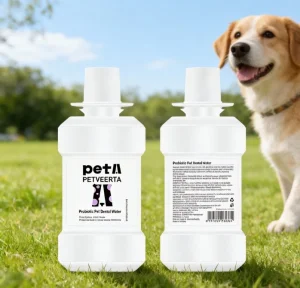
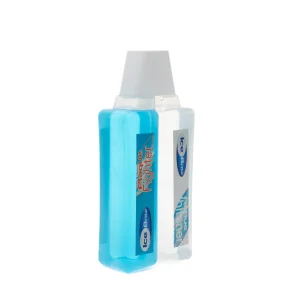
Hydrocolloid dressings combined with Therapeutic Antimicrobial Post-Surgical Rinses for clean bed preparation.
Comprehensive Care & Regenerative Catalog
A specialized range of therapeutic formulations, protective barriers, and hygienic solutions designed for clinical, community, and veterinary applications across Kiribati's outer islands.
Key information regarding procurement, logistical support, and performance characteristics of our medical products in tropical and Pacific regions.
How do BRJ Hydrocolloid dressings maintain sterility and adhesion in high-humidity environments like South Tarawa?
Our hydrocolloid dressings use a proprietary blend of moisture-absorbing carboxymethylcellulose (CMC) and highly cohesive hydrophobic elastomers. They are sealed in heat-stabilized, sterile blister packs that act as a barrier against humidity, salt spray, and micro-particulates, ensuring they remain sterile and maintain strong adhesion when applied.
What shipping options are available for clinics in the outer islands of Kiribati?
We coordinate bulk orders with regional distribution hubs in Fiji (Suva) and Australia (Brisbane) to ship goods to the port of Betio in South Tarawa. For urgent medical requirements in remote islands, we package our products in impact-resistant, lightweight crates that can be transported via domestic flight networks or sea transport.
Do the portable Negative Pressure Wound Therapy (NPWT) systems require continuous electrical connections?
Our portable NPWT systems are designed for settings with limited power supply. They feature a high-capacity internal battery that provides continuous therapy for several days on a single charge. They can also be recharged using standard 12V solar-power cells commonly used in remote clinics.
Are your manufacturing facilities compliant with global healthcare directives?
Yes. Jiangsu BRJ Medical operates strictly within an ISO 13485 and ISO 9001 certified Quality Management System. Our advanced wound dressings and surgical consumables hold CE certification, verifying conformity with European medical device safety regulations.
Collaborate with a Leading Global Medical Manufacturer
Upgrade Kiribati's medical infrastructure with reliable, high-performance wound care solutions. Get in touch with our team for bulk pricing, customized sizes, and technical documentation.
 BRJ Medical