BRJ Medical
BRJ Medical
BRJ Medical
Explore our top-tier manufacturing capabilities across surgical instruments, laboratory plastics, and patient-care solutions.
Understanding material science, clinical requirements, and the transition from basic protection to active therapeutic interfaces.
Historically, wound care was treated as a passive shielding process, employing basic gauze and wraps to protect dry cuts and surgical sites from environmental contaminants. Today, the global healthcare sector has fully embraced the scientific consensus of moist wound healing. Research demonstrates that maintaining an optimal, hydrated, and physiologically balanced microenvironment accelerates cellular migration, enhances autolytic debridement, and minimizes structural scarring. Consequently, the demands placed upon a trusted wound care dressings manufacturer have shifted from volume commodity production to high-precision material engineering.
Modern wound care dressing systems must execute multi-functional tasks. They must actively regulate fluid dynamics (exudate management), sustain moisture balance, prevent microbial colonization, protect delicate periwound tissues, and support atraumatic removal during clinical dressing changes. As a result, standard products have been superseded by specialized biomaterial formulations, including polyurethane foams, calcium alginates, hydrocolloids, and soft silicone contact layers, each engineered to perform at specific phases of the healing cycle.
Reducing overall length-of-stay and nursing time via extended wear times, preventing costly secondary hospital-acquired infections.
Providing optimized moisture vapor transmission rates (MVTR) and active antimicrobial defenses (e.g., ionic silver, PHMB).
Delivering pain-free dressing applications and removals through advanced hypoallergenic, atraumatic soft silicone adhesives.
Founded in May 2004, Jiangsu BRJ Medical Co., Ltd. is a leading manufacturer specializing in the research, development, production, and distribution of high-quality surgical sutures, surgical needles, and other related medical instruments. Over the past two decades, we have evolved from a regional medical instrument factory into an internationally trusted OEM/ODM powerhouse servicing hospitals, surgical centers, and distribution networks worldwide.
We operate within state-of-the-art cleanroom environments, utilizing automated micro-manufacturing systems that yield unmatched batch-to-batch consistency. Our strategic positioning within the global medical supply chain enables us to source medical-grade polymers, sterile barriers, and high-performance adhesives under strict quality oversight, ensuring every product conforms to rigid international regulatory requirements.
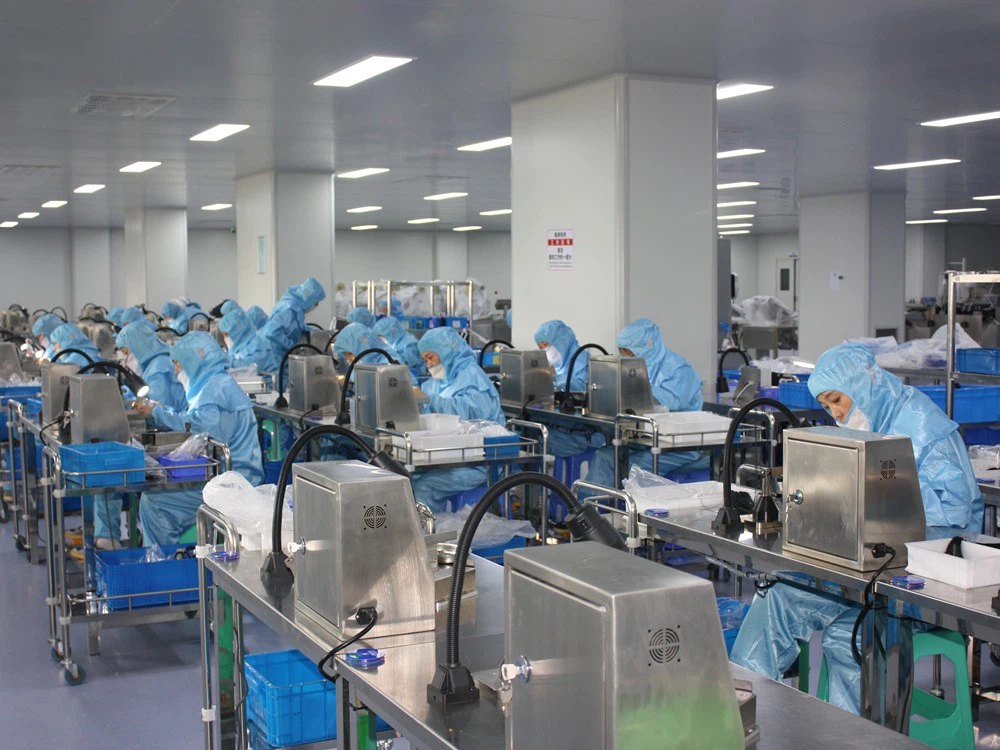
Integrating industrial automation and raw material security to deliver consistent quality and competitive cost structures.
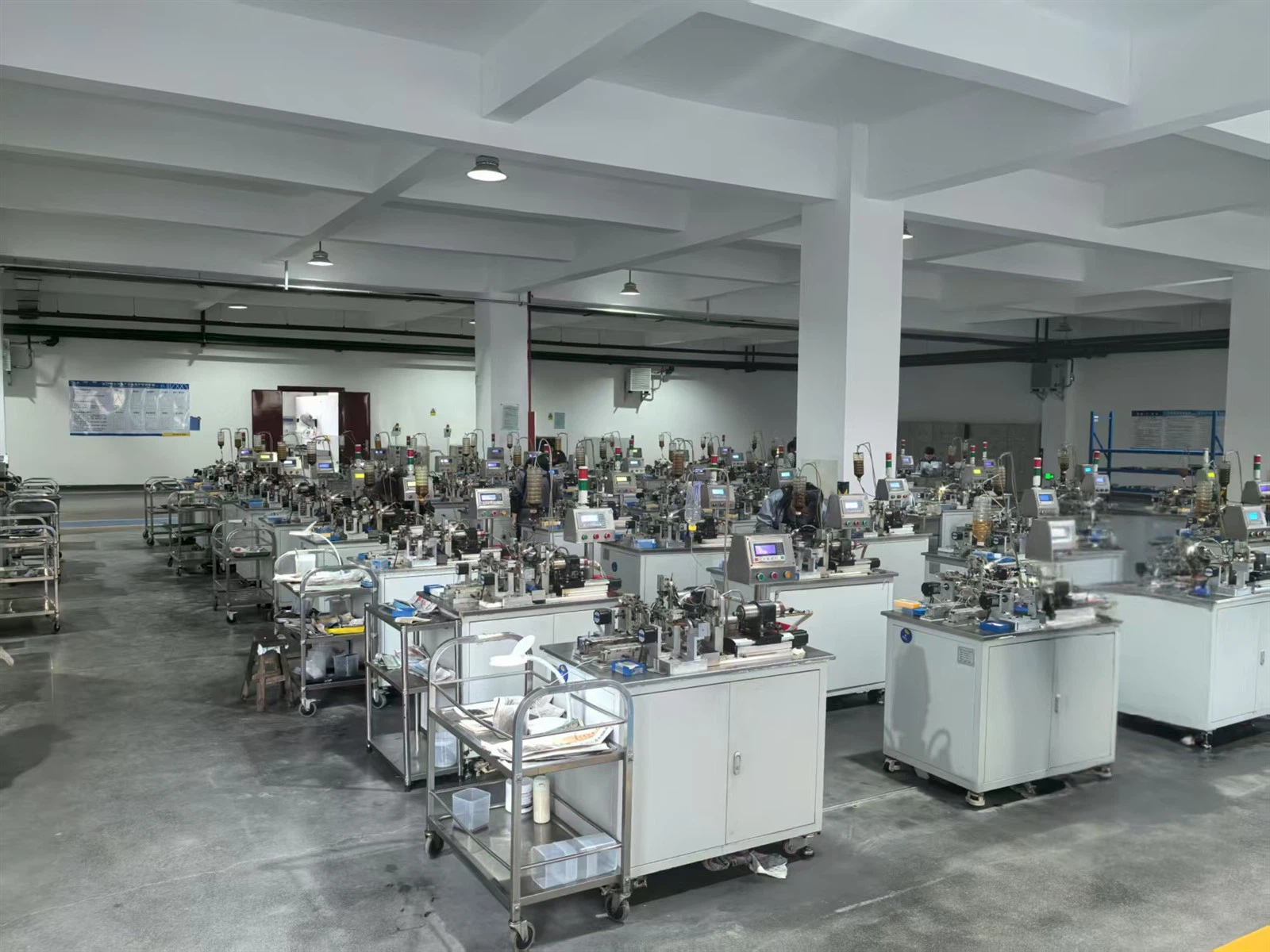
At Jiangsu BRJ Medical Co., Ltd., we have heavily invested in developing and integrating advanced technologies into our manufacturing processes. As a result, we have earned 29 invention patents and have successfully implemented fully automated production systems. This digital transition limits human contact, optimizes cleanroom sterility, and ensures zero contamination.
By utilizing advanced high-precision slitting machines, automated formulation mixing chambers, and dynamic packaging lines, we minimize errors and maximize efficiency. For medical procurements, this transition to Factory 4.0 translates directly to shorter lead times, precise adherence to product tolerances, and high pricing competitiveness without sacrificing quality.
Navigating complex international regulatory frameworks and matching dressings to real-world medical environments.
Healthcare providers demand tailored solutions. We provide customization on sizing, dressing shapes, and adhesive coatings (borders vs. borderless) to fit specialized clinical needs.
Navigating MDR (EU) and FDA (US) compliance requires extensive documentation. We back our products with comprehensive technical files, validation reports, and ISO certificates.
Geopolitical challenges demand logistics versatility. Our robust transport partnerships ensure stable delivery schedules, reducing stockout risks for worldwide distributors.
The clinical utility of advanced dressings spans across several critical sectors. In chronic wound management (such as diabetic foot ulcers, venous leg ulcers, and pressure injuries), dressing selections focus heavily on highly absorbent calcium alginates or polyurethane foams that manage thick exudates over multiple days without causing skin maceration.
In contrast, acute post-operative care demands transparent film dressings or protective surgical pads with soft silicone layers. These products keep the surgical site sterile, allow continuous visual inspection by nursing staff, and prevent friction blisters. In emergency and military trauma medicine, high-performance dressings must be immediate, sterile, self-adhering, and capable of containing high-pressure bleeding under unpredictable, non-sterile conditions.
Guiding our operations toward quality innovation, global responsibility, and advanced clinical solutions.
Our ongoing efforts to stay ahead of technological trends and incorporate the latest advancements in our production processes.
Each of our products undergoes rigorous quality control and testing to ensure that we deliver only the best to our customers.
We aim to contribute positively to public health, environmental sustainability, and social well-being through our products and practices.
"To become a world-class leader in medical device manufacturing by consistently offering innovative, high-quality solutions that support healthcare professionals and improve patient care worldwide."
The integration of biotechnology and material science represents a significant step forward in modern clinical wound healing.
The global wound care dressings market is rapidly evolving. Driven by rising rates of diabetes, cardiovascular diseases, and surgical procedures in aging populations, clinical facilities are prioritizing advanced dressings over standard dry dressings. Several trends are defining the future of wound healing:
Next-generation dressings are incorporating printed pH, moisture, and temperature sensors. By monitoring wound parameters in real-time, these smart interfaces can alert clinicians to early signs of infection or necrosis before physical symptoms surface, optimizing nurse visitation schedules and reducing overall hospital costs.
Hydrogels, collagen matrices, and extracellular matrix (ECM) scaffolds are gaining popularity. Rather than simply covering a wound, these biomaterials mimic the natural structure of the skin, offering structural cues that promote tissue growth, angiogenesis, and faster closure rates.
For sensitive skin, especially in pediatric and geriatric care, soft silicone technologies represent the industry benchmark. Silicone contact layers form a gentle seal over healthy skin without sticking to the moist wound bed, which dramatically reduces pain and trauma during dressing changes.
Essential information regarding procurement, materials compliance, customization, and factory operations.
Review our full collection of clinical instruments, hygiene formulations, and specialized accessories.