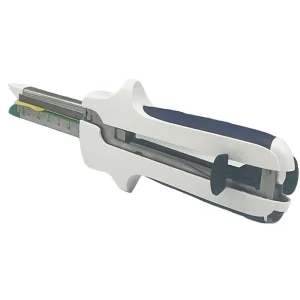
CE Certified Tensile Testing Machines Factory & Suppliers

High-Precision Material Testing Solutions for Medical Devices, Textiles, and Industrial Manufacturing Validation

Evolution and Global Trends in Tensile Testing Technology

Tensile testing has evolved from simple mechanical breakage tests to highly automated, software-driven diagnostic processes. Today’s industrial landscape demands exact physical measurements to meet international structural and medical regulations. The deployment of CE Certified Tensile Testing Machines has become a necessity for factories and suppliers globally to validate the physical performance parameters of polymers, elastomers, metals, and medical consumables.

Key industry trends are currently reshaping how manufacturers implement material characterization:

Automated Grip & Fixture Systems
Reducing manual operator errors by implementing pneumatic and hydraulic clamping systems that guarantee consistent specimen alignment and gripping force.
Multi-Axis Real-Time Software
Real-time data visualization of load, displacement, and strain curves, utilizing advanced algorithms to calculate yield strength, elongation at break, and Young's modulus.
Environmental Testing Integration
High and low-temperature chambers integrated directly into testing frames to verify mechanical performance under extreme thermal conditions.
Global Procurement Demands for Quality Control Systems

Global supply chains are increasingly sensitive to raw material quality variations. For procurement teams across North America, Europe, and the Asia-Pacific region, sourcing testing equipment is not just about price—it is about risk mitigation.

A modern laboratory requires Universal Testing Machines (UTMs) that provide verified data traceability. In industries like medical device manufacturing, pharmaceuticals, and automotive engineering, test data must comply with strict regulations like FDA 21 CFR Part 11 and European MDD/MDR standards. Having a local support framework, traceable calibration curves, and CE documentation is a fundamental requirement for global suppliers.

"The mechanical integrity of medical devices like surgical sutures, hypodermic needles, and protective gowns depends directly on the accuracy of the tensile testing equipment used in production validation."
Company Profile: Jiangsu BRJ Medical Co., Ltd.

Founded in May 2004, Jiangsu BRJ Medical Co., Ltd. is a leading manufacturer specializing in the research, development, production, and distribution of high-quality surgical sutures, surgical needles, and other related medical instruments.

We are committed to providing a wide range of products that meet the highest quality standards both domestically and internationally. Our products comply with major certifications including CE, ISO 13485, ISO 14001, ISO 45001, and we hold all the necessary production licenses to meet global market requirements. This ensures that every product we manufacture adheres to stringent safety, reliability, and effectiveness standards.

At Jiangsu BRJ Medical Co., Ltd., we firmly believe in the importance of innovation and continuous improvement. Our philosophy is built on modern techniques, superior quality, and complete customer satisfaction. Over the years, we have heavily invested in developing and integrating advanced technologies into our manufacturing processes. As a result, we have earned 29 invention patents and have successfully implemented fully automated production systems, which not only enhance product quality but also increase operational efficiency. This has helped us maintain our competitive edge in the ever-evolving healthcare industry.

Our commitment to excellence has earned us recognition in numerous international markets. Our products are highly regarded for their superior performance, reliability, and precision in various medical applications. We have built strong and lasting relationships with healthcare institutions, hospitals, and distributors around the world, allowing us to contribute to improving patient outcomes and advancing medical practices globally.

Jiangsu BRJ Medical Co., Ltd. is driven by a passionate and dedicated team that works tirelessly to ensure that we meet the needs of the healthcare community. We value our business relationships with partners both at home and abroad and strive to make a meaningful impact on global healthcare. We welcome all interested parties to reach out and collaborate with us as we continue to improve and innovate in the field of medical technology.
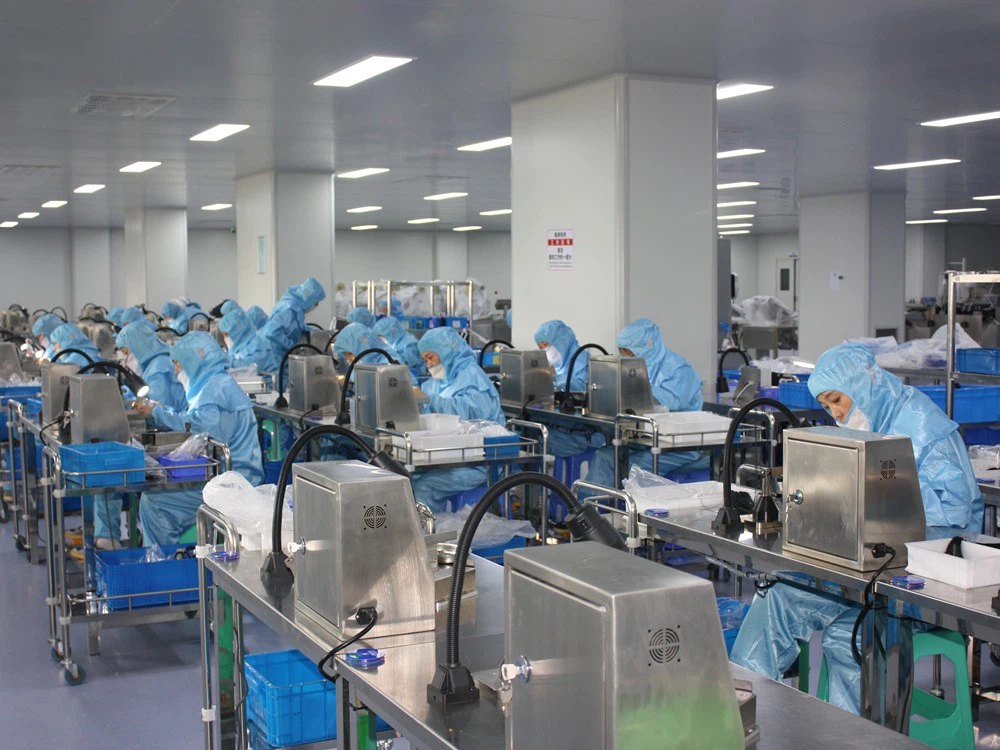
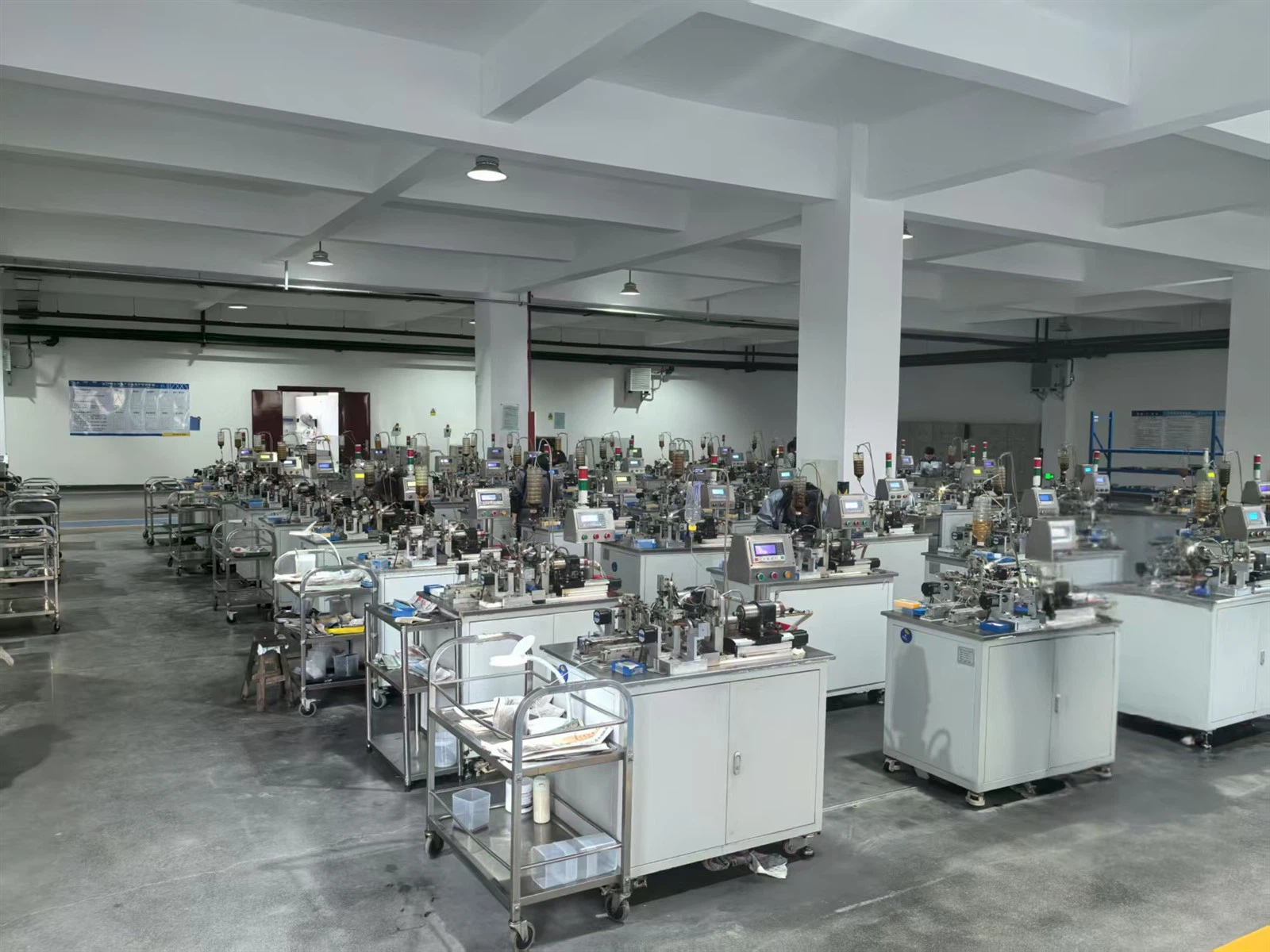
Jiangsu BRJ Medical Facility Jiangsu BRJ Medical Certification and Operations

Our Core Values:

  • Continuous Innovation: Our ongoing efforts to stay ahead of technological trends and incorporate the latest advancements in our production processes.
  • Commitment to Quality: Each of our products undergoes rigorous quality control and testing to ensure that we deliver only the best to our customers.
  • Global Responsibility: We aim to contribute positively to public health, environmental sustainability, and social well-being through our products and practices.

Our Vision:

To become a world-class leader in medical device manufacturing by consistently offering innovative, high-quality solutions that support healthcare professionals and improve patient care worldwide.

2004
Established Year
29
Invention Patents
100%
CE & ISO Certified
50+
Global Export Markets
Macro Industry Solutions

Our tensile and mechanical evaluation procedures cover several critical high-standard industrial niches, ensuring that manufacturers can mitigate failure rates under extreme conditions:

Medical Gown & Barrier Testing
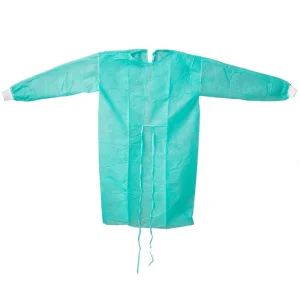
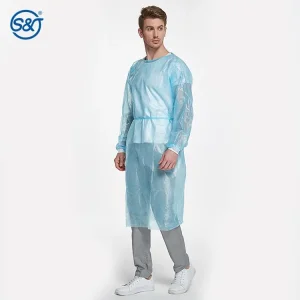
Evaluating the puncture and tear resistance of protective gowns (such as AAMI Waterproof and Non-Woven Surgical protective clothing) to ensure barrier protection under tension.
Suture & Surgical Needle Integration
Using specialized micro-grips to measure the ultimate tensile strength (UTS) and elongation profile of synthetic bio-absorbable and non-absorbable surgical sutures.
High-Precision Polymer Diagnostics
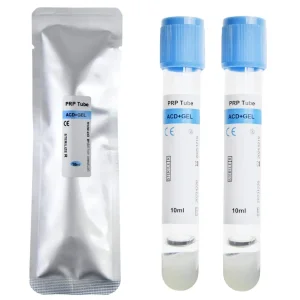
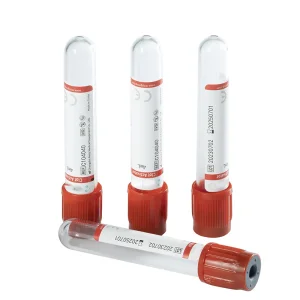
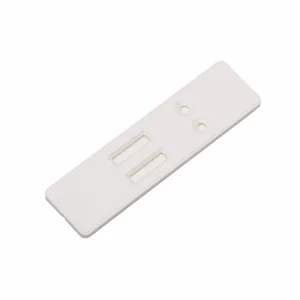
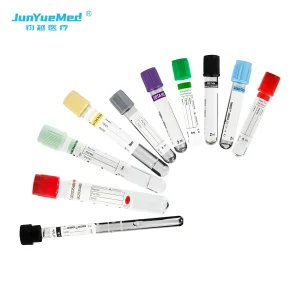
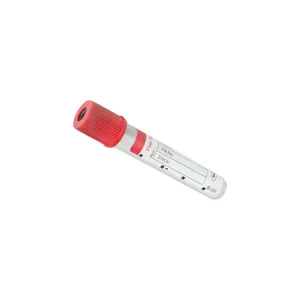
Testing high-density vacuum blood collection tubes and diagnostic cassette plastics to verify durability under centrifugal and high-pressure sealing environments.
Localized Support and Compliance Framework

Ensuring structural compliance across different regional jurisdictions is one of the main challenges for global buyers. Our machinery compliance structure is designed to adhere to:

  • European Union: CE Marking compliance, including the Machinery Directive 2006/42/EC, Low Voltage Directive 2014/35/EU, and electromagnetic compatibility regulations.
  • North America: Traceable load cell calibrations in accordance with ASTM E4 and ISO 7500-1 criteria.
  • Quality Management Systems: Manufacturing facilities operate under ISO 9001 and ISO 13485 (Medical Quality Management Systems) ensuring every testing unit is validated and calibrated prior to shipping.

To provide continuous operational stability, our global network offers localized calibration services, quick-access software debugging, and interchangeable load cell systems that allow a single machine to operate over various force ranges from 10 N to 100 kN.

Technical Roadmap and Future Outlook

As smart factories develop globally, materials validation must adapt to higher speeds, integration, and smarter diagnostics. Our engineering roadmap details our ongoing efforts to integrate new digital technologies:

Phase 1: Internet of Things (IoT) Connectivity
Connecting tensile testers directly to Laboratory Information Management Systems (LIMS) for automated data uploads, removing human transcription errors.
Phase 2: Artificial Intelligence Curve Profiling
Using machine learning algorithms to identify and flag micro-cracks and slip points before visual or physical failures manifest in the material curve.
Phase 3: High-Throughput Robotic Specimen Handling
Fully autonomous pneumatic load systems designed to pick, measure, test, and discard hundreds of samples continuously, ideal for round-the-clock manufacturing lines.
Technical FAQs: Material & Tensile Strength Testing
Q1: What are the main mechanical safety certifications needed for importing tensile testers into Europe?
For importation and operation in the European Union, tensile testing machines must carry a CE mark showing compliance with the Machinery Directive (2006/42/EC), Low Voltage Directive (2014/35/EU), and EMC Directive (2014/30/EU). Manufacturers must provide a comprehensive Declaration of Conformity (DoC).
Q2: How often should a load cell on a Universal Testing Machine be calibrated?
To remain compliant with standards like ASTM E4 and ISO 7500-1, load cells must be calibrated at least once a year. Calibration should also be performed immediately if the machine is moved, subjected to an accidental overload, or shows drift during standard quality control checks.
Q3: What type of tensile testing grips should be used for testing surgical sutures and delicate fibers?
Sutures and fine fibers are prone to slippage and breaking near the grip face (jaw breaks). For these materials, wrap-around capstan grips or pneumatic line-contact grips are recommended. These grips distribute clamping pressure gradually, ensuring the specimen breaks within the gauge length.
Q4: Can these systems satisfy FDA 21 CFR Part 11 requirements for medical validation records?
Yes, our modern control software includes user-access control, digital signatures, and secure audit trails to satisfy FDA 21 CFR Part 11 criteria. This ensures all modifications to testing configurations and test outputs are documented and traceably recorded.
Q5: How does load range flexibility work in a single Universal Testing Machine?
Modern testing frames allow users to swap out load cells. For example, a single testing frame rated for 10 kN can house a 100 N load cell for high-sensitivity testing of soft materials like polymers and membranes, as well as a 10 kN load cell for higher-strength components like metal fasteners.