BRJ Medical
BRJ Medical
BRJ Medical
High-precision manufactured products engineered for global healthcare, pharmaceutical, and surgical applications.
In modern global healthcare, the terminal efficacy of surgical interventions, parenteral biopharmaceuticals, and single-use medical devices relies fundamentally on the uncompromised integrity of their Sterile Barrier Systems (SBS). Sterile packaging is far more than a physical container; it is a validated engineering safeguard designed to maintain terminally sterilized medical devices in a sterile state from the point of microbial decontamination through transport, ambient storage, and intraoperative presentation.
As international regulatory frameworks—most notably the European Union Medical Device Regulation (EU MDR 2017/745) and US FDA 21 CFR Part 820—enforce stricter validation protocols and lifecycle traceability, global medical device original equipment manufacturers (OEMs) and original design manufacturers (ODMs) face mounting challenges. Achieving zero-defect seal integrity, optimizing aseptic opening dynamics, and ensuring complete compliance with ISO 11607 Parts 1 & 2 require advanced material science, automated cleanroom packaging execution, and rigorous continuous monitoring.
Technical Information Gain Insight: A sterile barrier system failure accounts for over 28% of class I medical device recalls globally. Modern OEM/ODM sterile packaging architectures must demonstrate not only microbial barrier performance but also physical strength against dynamic differential pressure during air freight and physical vibration during multimodal international logistics.
Founded in May 2004, Jiangsu BRJ Medical Co., Ltd. has established itself as an authoritative manufacturer and global exporter specializing in the research, development, custom engineering, and automated production of high-precision medical instruments, sterile packaging systems, surgical sutures, and surgical needles.
Driven by a commitment to technical rigor and international quality standards, Jiangsu BRJ Medical operates within state-of-the-art facilities designed under continuous laminar airflow regimes. The enterprise maintains comprehensive quality management certifications including CE, ISO 13485, ISO 14001, and ISO 45001, alongside complete international medical production licenses required for distribution across North America, Europe, the Asia-Pacific region, and emerging global markets.
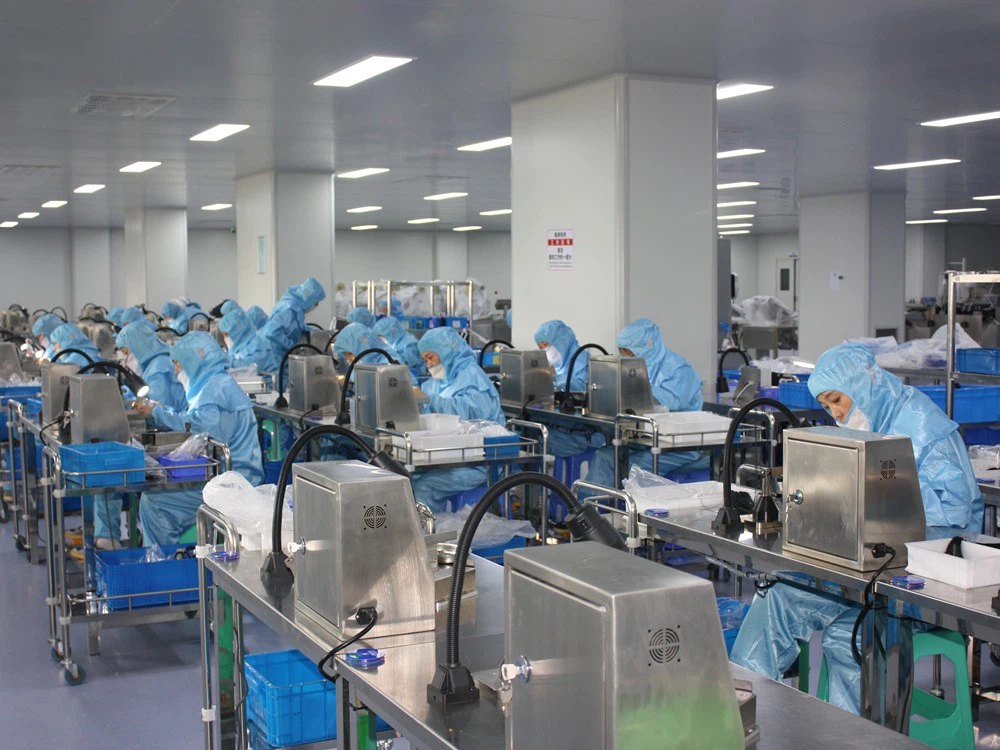
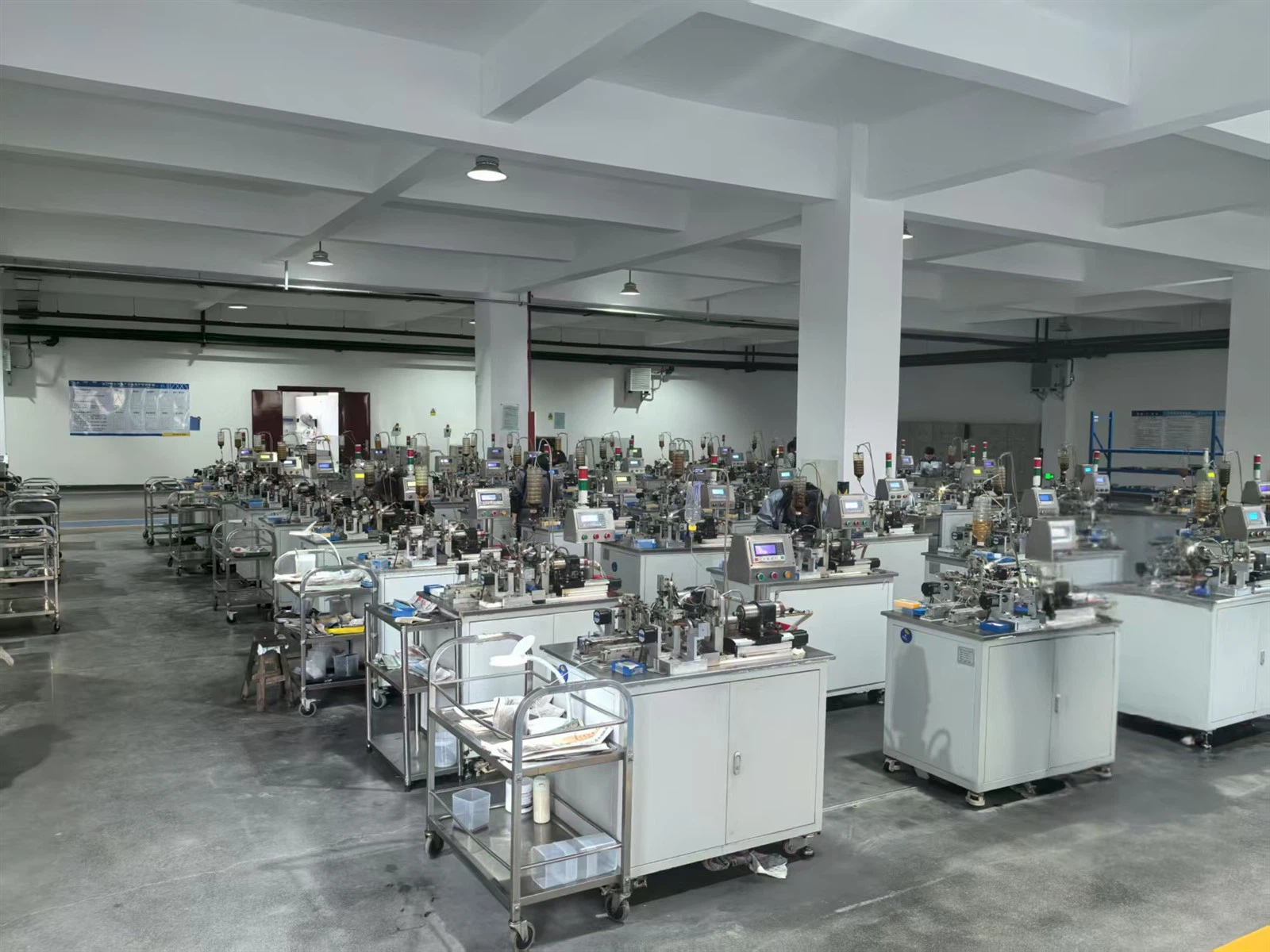
Innovation forms the foundation of Jiangsu BRJ Medical Co., Ltd.'s operations. Through sustained capital investment into automated thermoforming, inline micro-laser sealing verification, and cleanroom material synthesis, the company has secured 29 invention patents. Fully automated production lines mitigate human contamination hazards, elevate physical dimension consistency, and drastically reduce processing variances in high-speed sterile barrier packaging.
Driving technological trends via multi-layer polymer co-extrusion, active microbial barrier development, and automated process inline monitoring.
100% rigorous non-destructive seal integrity testing, bioburden verification, and mechanical strength testing ensuring optimal patient safety.
Promoting public health worldwide through recyclable substrate research, minimized carbon footprints, and sustainable sterile packaging practices.
Corporate Vision: To remain a premier global leader in medical device manufacturing and sterile barrier engineering, offering reliable, innovative solutions that empower healthcare professionals and enhance patient outcomes globally.
The global medical device packaging market is experiencing structural expansion, projected to surpass USD 35 Billion in valuation over the coming years. This trajectory is driven by three macro forces:
| Sterilization Modality | Material Compatibility Key Requirements | Primary Packaging Substrates Used | Validation Standard |
|---|---|---|---|
| Ethylene Oxide (EO/EtO) | High gas permeability, rapid EO desorption, humidity resistance. | Spunbond HDPE (Tyvek®), Medical Grade Porous Paper | ISO 11135 / ISO 11607 |
| Gamma / E-Beam Radiation | High polymer stability, resistance to embrittlement & yellowing. | Polypropylene (PP), PETG Thermoformed Trays, Co-extruded PE | ISO 11137 / ISO 11607 |
| Moist Heat / Autoclave | High thermal resistance, structural integrity up to 134°C. | Woven/Non-Woven SMS, Polypropylene Laminates, High-Temp Foils | ISO 17665 / ISO 11607 |
A Sterile Barrier System (SBS) represents the minimal packaging configuration that prevents micro-organism ingress and allows aseptic presentation of the product at the point of use. Engineering an effective SBS requires balancing porous dynamic gas migration with physical seal integrity.
Constructed by joining a porous substrate (such as continuous high-density polyethylene fibers or surgical grade paper) with a transparent non-porous multi-layer film (typically PET/PE or PET/PP composite). Key parameters include:
For heavy, sharp, or multi-component surgical instruments (such as orthopedic fixation sets, endoscopic staple cutters, or complex cardiovascular delivery catheters), thermoformed rigid trays constructed from PETG, High-Impact Polystyrene (HIPS), or Polypropylene (PP) are utilized. These custom-contoured trays prevent instrument migration, preserve tip sharp points, and integrate with heat-sealed Tyvek® or foil lidding.
Through microscopic tortuous path structures, non-woven medical substrates provide exceptional microbial barrier resistance against airborne bacterial spores (e.g., Bacillus atrophaeus) while maintaining air permeability necessary to prevent pouch expansion under atmospheric pressure changes during air logistics.
Navigating global regulatory landscapes requires meticulous validation of both materials and seal manufacturing processes. Jiangsu BRJ Medical Co., Ltd. aligns all OEM/ODM production processes with international protocols, offering complete turnkey documentation support.
Comprehensive characterization of packaging materials including microbial barrier efficacy, biocompatibility (ISO 10993), physical strength, toxicological evaluation, and environmental durability.
Rigorous IQ/OQ/PQ (Installation, Operational, Performance Qualification) protocols establishing optimal sealing temperature, dwell time, and pressure parameters to guarantee reproducible operational margins.
Jiangsu BRJ Medical Co., Ltd. offers tailored OEM and ODM service frameworks designed to accommodate low-volume high-mix specialty devices as well as high-volume standardized commodity consumables.
Primary aluminum foil inner packs paired with secondary Tyvek pouches protecting absorbable PGA/PDO sutures against moisture degradation.
Custom heavy-gauge thermoformed PETG double-tray systems ensuring double aseptic presentation barriers in operating suites.
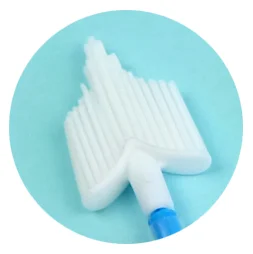
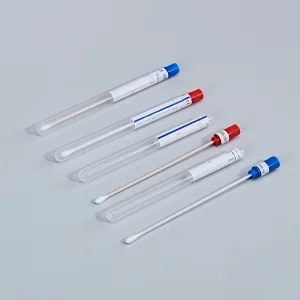
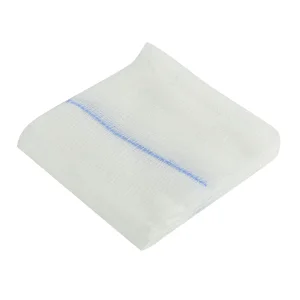
High-speed flow-wrap sterile peel pouches ensuring rapid peelability and zero particulate drop during swab extraction.
Looking toward the next decade of healthcare packaging, three key technology pillars will redefine sterile packaging production:
Expert insights addressing critical questions on sterile packaging validation, OEM customization, and quality compliance.
We execute a comprehensive 3-tier validation protocol covering Installation Qualification (IQ), Operational Qualification (OQ), and Performance Qualification (PQ). We establish seal parameter windows (temperature, pressure, dwell time) and conduct worst-case operational runs, verified via peel strength (ASTM F88) and dye penetration (ASTM F1929) testing.
For Ethylene Oxide (EtO) sterilization, porous materials like Tyvek® or medical-grade papers are required to allow gas penetration and evacuation. For Gamma irradiation, stable non-porous multi-layer films (PET/PE or modified PP) are preferred to prevent polymer embrittlement and degradation.
Yes, our engineering team provides complete end-to-end ODM support, including 3D CAD design, rapid prototyping, mold fabrication, and ISO Class 7/8 cleanroom thermoforming tailored to complex surgical tools, suture sets, and diagnostic devices.
We perform Accelerated Aging studies per ASTM F1980 at elevated temperatures (e.g., 55°C) to simulate 1-year, 3-year, and 5-year aging milestones, followed by real-time ambient aging validation to confirm continuous physical seal integrity and microbial barrier performance.
We utilize automated precision temperature-controlled heat sealing jaws combined with inline optical machine vision systems. Regular non-destructive and destructive batch sampling ensures zero channel formation across all production runs.
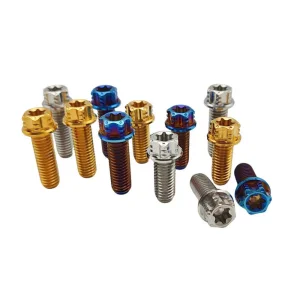
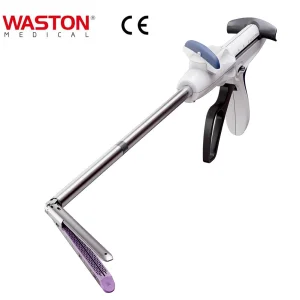
Precision surgical components, collection swabs, and medical device hardware available for OEM/ODM integration.