BRJ Medical
BRJ Medical
BRJ Medical
Explore our foundational range of hospital supplies, diagnostic accessories, and highly engineered clinical instrumentation.
Analyzing key structural shifts, regulatory hurdles, and design benchmarks for hospital stretchers, emergency vehicles, and mobilization frames.
Every transport cycle requires maximum structural stability. Exporters must comply with ISO 13485 standards to guarantee hydraulic mechanisms, brake-lock safety, and high-impact resilience in critical-care scenarios.
Advanced hydraulic linkages and electrically powered drives prevent caregiver injury and ensure quick maneuvers. Modern patient transport systems integrate variable height, Trendelenburg positioning, and easy-steer castor tracks.
Sourcing high-quality medical equipment requires rigorous customs readiness, FDA registrations, CE marks, and secure packing systems to survive transoceanic transit with zero calibration drift.
In modern clinical ecosystems, patient transport equipment represents the critical physical linkage between emergency response units, intensive care units (ICUs), and surgical suites. The global market for these mobilization apparatuses has evolved past simple manual gurneys. Today's healthcare demands highly adaptive platforms, including trauma stretchers, emergency landing board systems, intra-hospital transport chairs, and clinical obstetric examination systems. Exporters and factories are now evaluated on their integration of structural lightweighting, mechanical durability, and infection-resistant finishes.
For international procurement directors, identifying the top-tier manufacturers involves assessing their supply chain resilience. High-quality patient transport factories utilize precision robotic welding for steel/aluminum frame constructs, ensuring structural loads exceeding 250 kg (550 lbs) without compromise. These physical requirements directly translate to reduced risk of equipment failure during emergency high-velocity operations.
When selecting a manufacturing partner in the medical device sector, clinical decision-makers must implement rigorous evaluation protocols based on primary trust metrics. The fundamental parameters include:
The industry is transitioning toward fully integrated digital transport ecosystems. The incorporation of IoT trackers, passive shock-absorber sensors, and antimicrobial clear-coats represents the new gold standard. In trauma transport, every millisecond counts. High-tech stretchers are now built to interface with diagnostic imaging equipment (such as C-arms and mobile X-ray devices), featuring radiolucent platform surfaces that allow scanning without requiring the patient to be moved off the bed. This avoids secondary injury, especially in complex orthopedic or spinal trauma cases.
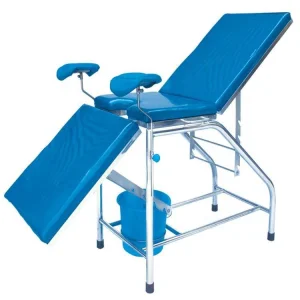
Simultaneously, the integration of patient transport equipment with broader clinical tools—such as gynecological diagnostic examination structures and protective barriers—ensures that the patient transfer process remains safe and hygienic. Reliable exporters provide complete product configuration options, from central-lock braking assemblies to variable-height hydraulic lift pedals, catering to the specific infrastructural parameters of localized hospital facilities worldwide.
Founded in May 2004, Jiangsu BRJ Medical Co., Ltd. is a leading manufacturer specializing in the research, development, production, and distribution of high-quality surgical sutures, surgical needles, and other related medical instruments. We are committed to providing a wide range of products that meet the highest quality standards both domestically and internationally.
Our products comply with major certifications including CE, ISO 13485, ISO 14001, ISO 45001, and we hold all the necessary production licenses to meet global market requirements. This ensures that every product we manufacture adheres to stringent safety, reliability, and effectiveness standards.
At Jiangsu BRJ Medical Co., Ltd., we firmly believe in the importance of innovation and continuous improvement. Our philosophy is built on modern techniques, superior quality, and complete customer satisfaction. Over the years, we have heavily invested in developing and integrating advanced technologies into our manufacturing processes. As a result, we have earned 29 invention patents and have successfully implemented fully automated production systems, which not only enhance product quality but also increase operational efficiency. This has helped us maintain our competitive edge in the ever-evolving healthcare industry.
Our commitment to excellence has earned us recognition in numerous international markets. Our products are highly regarded for their superior performance, reliability, and precision in various medical applications. We have built strong and lasting relationships with healthcare institutions, hospitals, and distributors around the world, allowing us to contribute to improving patient outcomes and advancing medical practices globally.
Jiangsu BRJ Medical Co., Ltd. is driven by a passionate and dedicated team that works tirelessly to ensure that we meet the needs of the healthcare community. We value our business relationships with partners both at home and abroad and strive to make a meaningful impact on global healthcare. We welcome all interested parties to reach out and collaborate with us as we continue to improve and innovate in the field of medical technology.
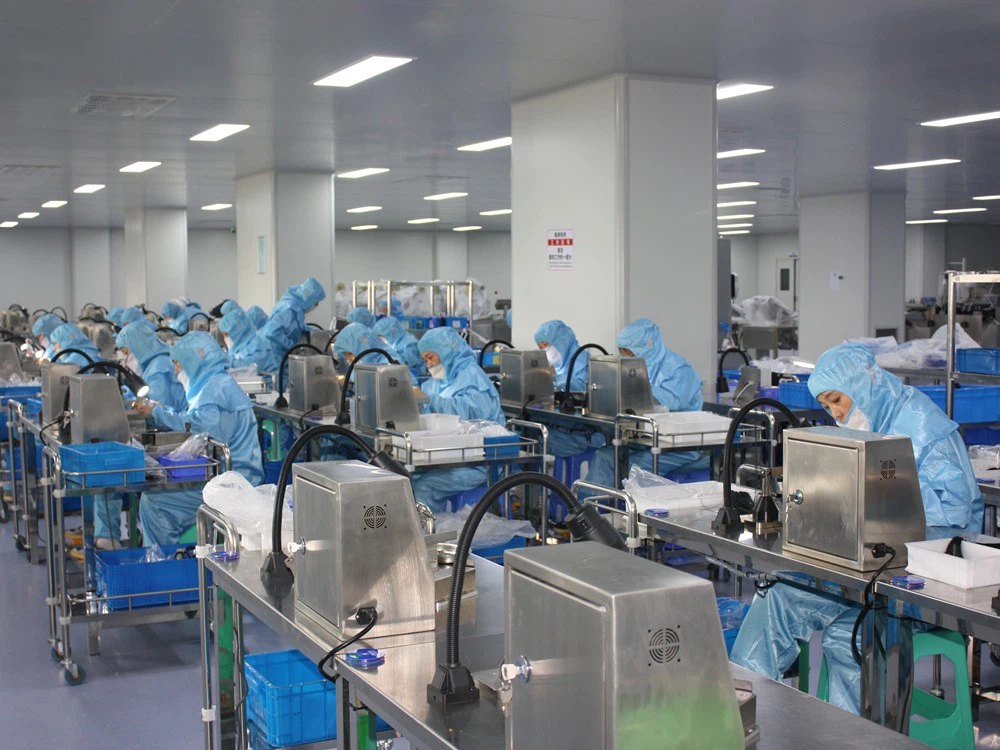
To support global medical procurement requirements, Jiangsu BRJ Medical operates under a rigid quality matrix centered around technological advancement and absolute dependability.
Our ongoing efforts to stay ahead of technological trends and incorporate the latest advancements in our production processes.
Each of our products undergoes rigorous quality control and testing to ensure that we deliver only the best to our customers.
We aim to contribute positively to public health, environmental sustainability, and social well-being through our products and practices.
Our Vision: To become a world-class leader in medical device manufacturing by consistently offering innovative, high-quality solutions that support healthcare professionals and improve patient care worldwide.
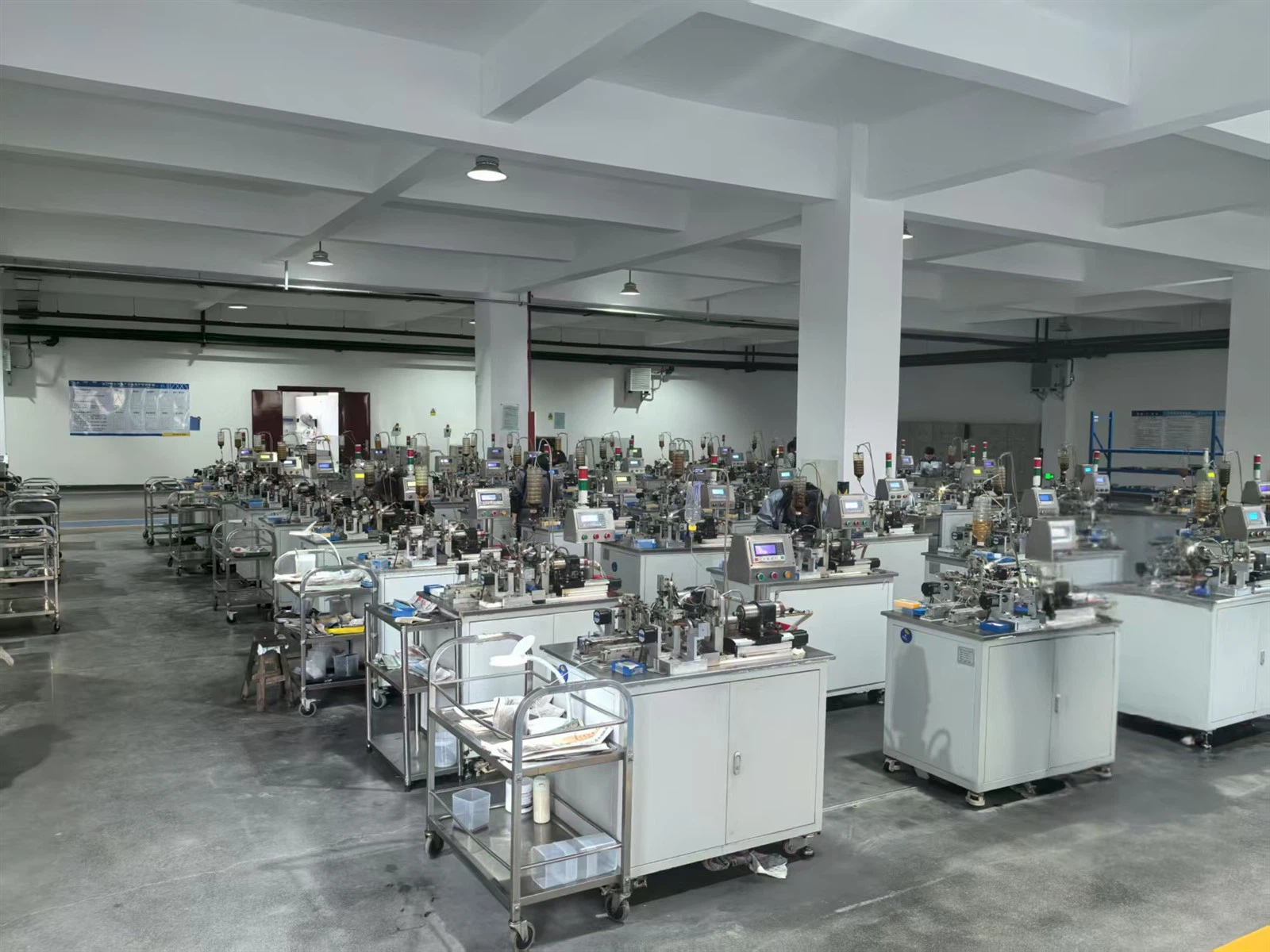
Critical answers regarding global medical device imports, manufacturing standards, quality compliance, and hardware durability.
Browse our technical selection of clinical devices, radiation protection wear, and automated production machinery.