BRJ Medical
BRJ Medical
BRJ Medical
Highly regulated products designed to support comprehensive patient safety and sterile clinical environments globally.
Combining scientific rigour, automated manufacturing, and a commitment to clinical excellence.
Founded in May 2004, Jiangsu BRJ Medical Co., Ltd. is a leading manufacturer specializing in the research, development, production, and distribution of high-quality surgical sutures, surgical needles, and other related medical instruments. As a vital cog in the global clinical supply chain, our corporate vision revolves around providing high-accuracy surgical and fluid-delivery instrumentation to meet the shifting demands of modern medicine.
We are committed to providing a wide range of products that meet the highest quality standards both domestically and internationally. Our products comply with major certifications including CE, ISO 13485, ISO 14001, ISO 45001, and we hold all the necessary production licenses to meet global market requirements. This ensures that every product we manufacture adheres to stringent safety, reliability, and effectiveness standards.
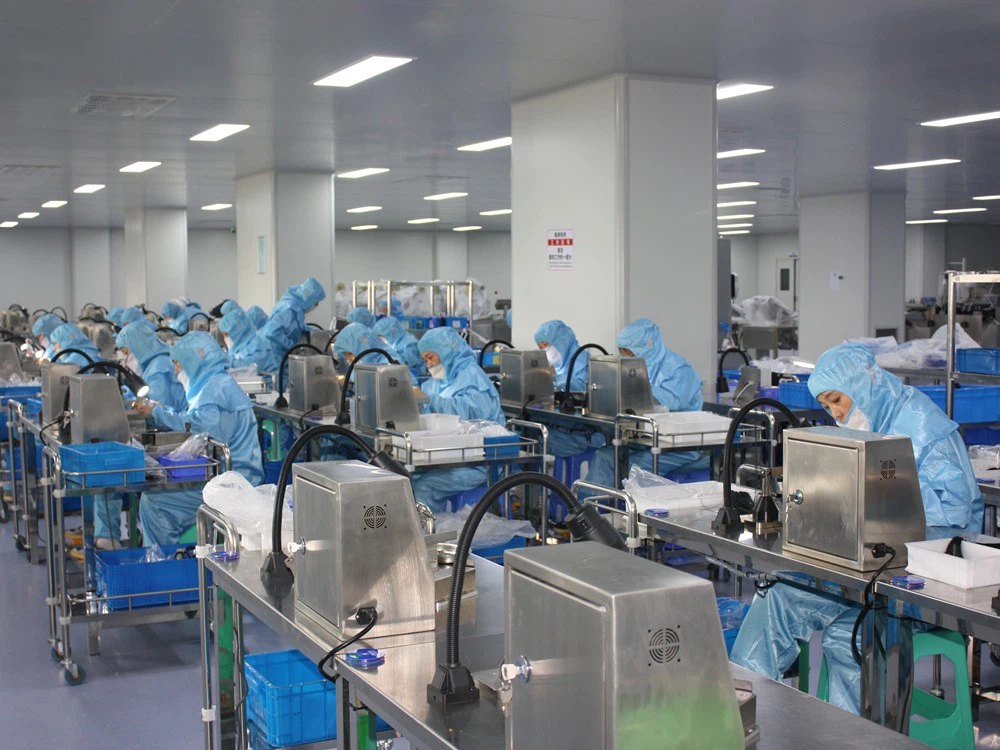
At Jiangsu BRJ Medical Co., Ltd., we firmly believe in the importance of innovation and continuous improvement. Our philosophy is built on modern techniques, superior quality, and complete customer satisfaction. Over the years, we have heavily invested in developing and integrating advanced technologies into our manufacturing processes. As a result, we have earned 29 invention patents and have successfully implemented fully automated production systems, which not only enhance product quality but also increase operational efficiency. This has helped us maintain our competitive edge in the ever-evolving healthcare industry.
Our commitment to excellence has earned us recognition in numerous international markets. Our products are highly regarded for their superior performance, reliability, and precision in various medical applications. We have built strong and lasting relationships with healthcare institutions, hospitals, and distributors around the world, allowing us to contribute to improving patient outcomes and advancing medical practices globally.
Our corporate direction is steered by a dedicated team striving to address multi-system patient requirements. Whether manufacturing precision needles, wound management materials, or coordinating with global medical pump OEMs for device-level fluid pathways, we strictly maintain E-E-A-T (Experience, Expertise, Authoritativeness, and Trustworthiness) criteria across all operating systems.
Evaluating the technological transition from analog volumetric systems to cloud-integrated smart infusion ecosystems.
Modern infusion therapy has evolved from gravity-fed IV lines to highly complex electromechanical pump networks. Today, smart infusion pumps serve as critical clinical tools in Intensive Care Units (ICUs), Emergency Departments, Neonatal wards, and Oncology clinics. As patient acuity increases globally, these devices require integrated Dose Error Reduction Systems (DERS), real-time wireless telemetry, and closed-loop feedback mechanisms to mitigate dosing inaccuracies.
For procurement officers, sourcing from leading manufacturers demands a strict understanding of how infusion systems handle high-risk pharmacological agents (such as vasoactive drugs, insulin, and anesthetics). A minor deviation in flow rate precision can have direct clinical consequences, making accuracy, cybersecurity, and electromagnetic compatibility (EMC) the prime evaluation criteria.
The global infusion pump market faces unique pressures, notably surrounding components like semi-conductors, pressure sensors, and medical-grade plastics. Exporters must maintain resilient supply lines to prevent sudden stock shortages of critical consumables (such as dedicated IV sets, syringe adaptors, and sterile maintenance chemicals). Finding the right global partner requires looking beyond simple product specifications; you must examine their regulatory alignment, quality management systems (QMS), and local supply capabilities.
Based on rigorous criteria, including regulatory alignment (FDA/CE MDR), software interoperability, market footprint, and technical service networks.
Headquarters: Franklin Lakes, New Jersey, USA
BD stands as a global titan in medical technology, best known for its modular Alaris™ Infusion System. This platform integrates large-volume pumps, syringe pumps, patient-controlled analgesia (PCA), and respiratory monitoring into a single unified system, significantly reducing the point-of-care physical footprint.
Headquarters: Melsungen, Germany
Known for exceptional German engineering, B. Braun’s Infusomat™ and Perfusor™ Space systems are designed with space-saving stackable modules. Their clinical software interfaces seamlessly with Electronic Medical Records (EMR) and hospital networks via open communication architecture.
Headquarters: Deerfield, Illinois, USA
Baxter’s Spectrum IQ Infusion System is a benchmark for clinical safety. It offers high integration with EMR systems and features automated drug library updates, helping hospitals reduce medication errors significantly.
Headquarters: Bad Homburg, Germany
Specializing in clinical nutrition and infusion therapy, Fresenius Kabi’s Agilia® series provides highly intuitive syringe and volumetric infusion pumps. Their systems are widely exported across Europe, Asia-Pacific, and Latin America.
Headquarters: San Clemente, California, USA
Following the acquisition of Smiths Medical, ICU Medical offers a powerhouse portfolio including the Plum 360™ large-volume infuser and CADD® ambulatory infusion systems, widely used for pain management and home care settings.
Headquarters: Shenzhen, China
Mindray’s BeneFusion e-Series offers premium, high-efficiency clinical pumps. With touchscreens, intuitive user interfaces, and advanced safety features, they represent a fast-growing segment in international healthcare facilities.
Headquarters: Tokyo, Japan
Terumo’s Terufusion™ Smart Infusion System is celebrated for Japanese precision. The brand prioritizes patient safety through microfluidic sensor technologies and highly responsive occlusion detection mechanisms.
Headquarters: East Aurora, New York, USA
Moog specializes in portable, high-durability infusion technologies. Their Curlin and Enteral (Zevex) lines are tailored for outpatient clinical applications, outpatient oncology, and high-frequency home nutrition therapy.
Headquarters: Dublin, Ireland
While dominating the global implantable medical device sector, Medtronic is also a key player in specialized drug delivery systems, specifically target-site micro-infusion pumps for pain management and spasticity treatments.
Headquarters: Taizhou, Jiangsu, China
Operating as a key global medical device manufacturer, BRJ Medical leverages over 20 years of expertise and 29 invention patents to supply high-precision clinical consumables, surgical accessories, and customized medical instruments. Their automated manufacturing lines ensure cost-effective, high-grade compliance with CE and ISO standards, supporting fluid management workflows around the world.
A forward-looking analysis of smart medical technology, focusing on interoperability, AI, and cybersecurity.
The next generation of infusion pumps will shift from pre-programmed delivery configurations to intelligent closed-loop systems. By syncing in real time with diagnostic patient monitors (e.g., blood glucose sensors, arterial blood pressure lines), these advanced pumps can automatically adjust infusion rates under medical oversight. This is particularly valuable in anesthesia (Target Controlled Infusion) and emergency glycemic management.
As medical devices connect to local Wi-Fi networks and centralized servers to pull patient data and push device logs, they become potential entry points for cyber threats. Future regulatory approvals will focus heavily on cybersecurity frameworks. Manufacturers must adopt robust encryption, secure boot processes, and frequent over-the-air (OTA) software patches to protect patient data and prevent unauthorized dosing modifications.
Ensuring seamless international distribution and operational continuity through rigorous certifications.
When purchasing clinical instruments and fluid delivery systems internationally, strict compliance checks are non-negotiable. Sourcing teams must verify that products carry corresponding certifications for target regions:
Through our automated manufacturing footprint at Jiangsu BRJ Medical Co., Ltd., we maintain a robust, audit-ready environment that streamlines compliance evaluations for international procurement teams.
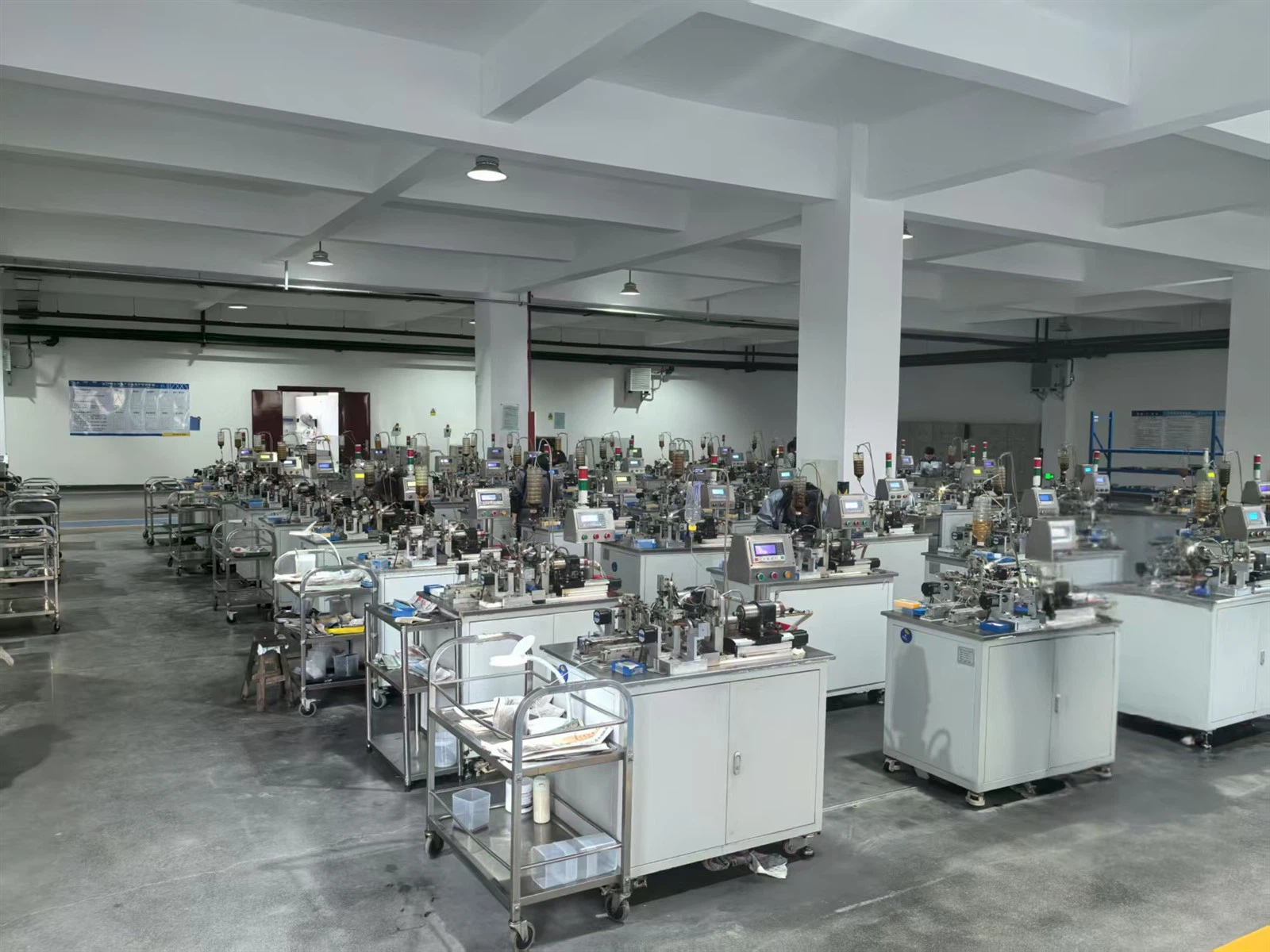
Sourcing medical devices is only half the battle; reliable operational support is crucial. Exporters must provide comprehensive post-sale service models, including local technical depots, immediate spare part availability, and certified biomedical engineering (Biomed) training courses. Without solid local support, minor hardware faults can lead to long periods of equipment downtime, compromising patient care and clinical throughput.
Critical information compiled by our product engineering and regulatory teams to guide your clinical procurement process.
Browse our wide selection of certified surgical supplies, specialized clinical products, and industrial support equipment.