BRJ Medical
BRJ Medical
BRJ Medical
The global medical sector is undergoing a profound paradigm shift. Modern clinical spaces demand operating tools that offer microscopic precision, minimized thermal damage, and exceptional reliability. Electrosurgical instruments—consisting of high-frequency generators, electrosurgical units (ESUs), monopolar/bipolar forceps, pencils, and custom electrodes—form the technological backbone of contemporary operating rooms. Selecting the right manufacturer or exporter is no longer just a procurement task; it is a critical clinical decision affecting surgical outcomes and risk management.
This white paper offers an in-depth analysis of the Top 10 Electrosurgical Instruments Suppliers & Exporters worldwide. We investigate the industry's macroeconomic state, localized clinical demands, and technical parameters. Additionally, we analyze how leading Chinese manufacturers leverage smart automation to deliver highly complex surgical instruments at scale, meeting rigorous international certifications like CE, ISO 13485, and FDA standards.
The global electrosurgical devices market size is projected to expand significantly, driven by a rising volume of minimally invasive surgeries, an aging global population, and rapid technological advancements in radiofrequency (RF) energy distribution. Geographically, North America and Europe remain the primary consumers of high-end clinical setups. However, the Asia-Pacific region, Latin America, and the Middle East are experiencing the fastest compound annual growth rates (CAGR).
Modern surgical techniques depend heavily on precise energy management. Traditional surgical blades are increasingly replaced or supplemented by high-frequency electrosurgical generators capable of pure cutting, blend cutting, desiccation, and fulguration. The underlying engineering demands extreme material stability—such as high-grade medical stainless steels, tungsten alloys, and biocompatible polymers—capable of withstanding high-voltage cycles without premature breakdown.
Focuses current from an active electrode through the patient's body to a return pad. Demands premium insulation and highly reliable patient return monitoring (REM) circuitry.
Passes current only between the active tines of the forceps, limiting lateral thermal damage. Ideal for delicate neurosurgery and microsurgery setups.
Combines ultrasonic energy with bipolar radiofrequency to achieve simultaneous tissue division and vessel sealing up to 7mm in diameter.
Founded in May 2004, Jiangsu BRJ Medical Co., Ltd. is a leading manufacturer specializing in the research, development, production, and distribution of high-quality surgical sutures, surgical needles, and related medical instruments. Under strict regulatory guidelines, BRJ Medical has integrated its extensive medical manufacturing expertise with advanced technologies to meet global clinical standards.
Operating under major certifications including CE, ISO 13485, ISO 14001, and ISO 45001, the company maintains robust production licenses to fulfill the global market's stringent safety, reliability, and effectiveness requirements. By investing heavily in automated production and holding 29 invention patents, BRJ Medical ensures that its products—from precise surgical needles to specialized sutures—adhere to the highest benchmarks of quality control.

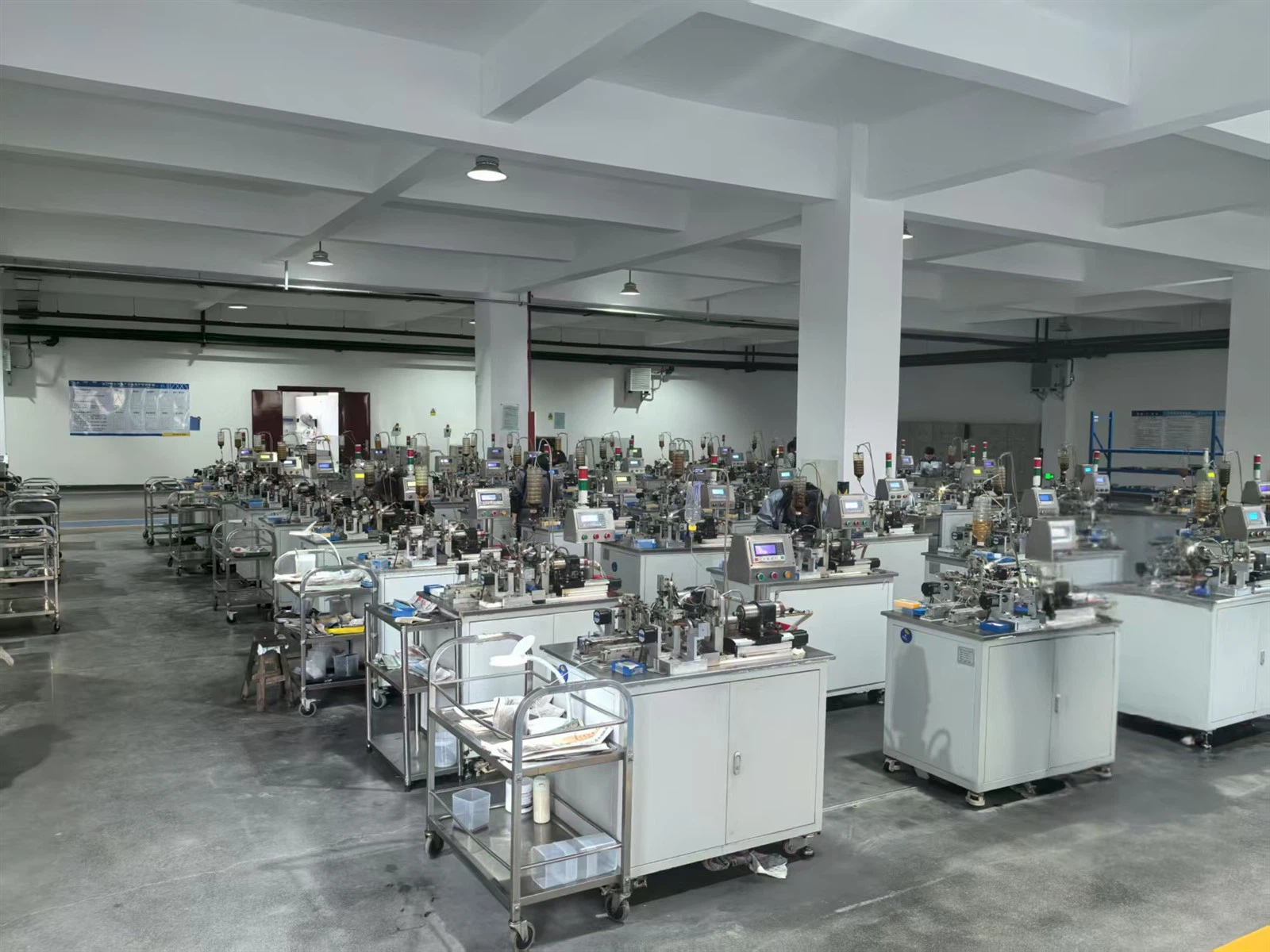
In the global medical instrument landscape, Chinese manufacturing has transitioned from labor-intensive assembly lines to state-of-the-art automated production ecosystems. This evolution is driven by several key factors that directly benefit global procurement teams:
By using robotic assembly lines and vision-based AI defect-detection systems, manufacturers can eliminate human error, ensuring consistent tolerances for needle sharpening, suture attachment, and electrosurgical component assembly.
Raw materials, chemical processing, surface treatment, sterile packaging, and logistical hubs are located close to each other, reducing transport overhead, mitigating geopolitical delays, and ensuring stable pricing.
Equipped with advanced toolmaking shops and high-precision CNC equipment, Chinese factories can prototype customized electrosurgical tips, loops, and micro-needles faster than Western competitors.
As demonstrated by Jiangsu BRJ Medical Co., Ltd., the adoption of fully automated production lines has significantly increased capacity while maintaining strict compliance with global standards. With 29 invention patents, the company highlights how advanced technological integration has replaced outdated manual methods, leading to highly consistent products that perform reliably in critical surgical operations.
The choice of electrosurgical tools depends heavily on the specific surgical discipline. Different tissue characteristics dictate the optimal frequency, wave configuration, and instrument shape:
Loop Electrosurgical Excision Procedures (LEEP) require specialized loop electrodes with robust insulation to remove cervical dysplasias cleanly. Consistent power delivery is essential to prevent tissue charring and preserve clean margins for histological review.
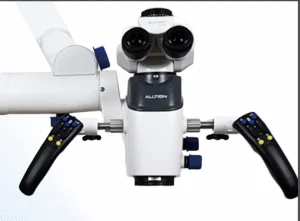
Transurethral resection of the prostate (TURP) operates in conductive fluid environments. This requires specialized bipolar resection loops and advanced urological microscopes, such as the Angel 200 Surgical Operating Microscope, to manage challenging visual and high-frequency conditions.
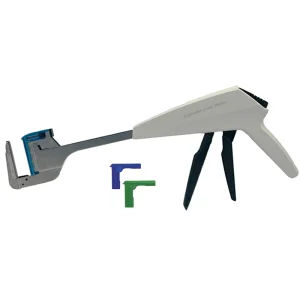
Open and laparoscopic abdominal procedures depend on reliable haemostasis. Combining high-performance linear cutting staplers with precise electrosurgical coagulation pencils helps prevent post-operative leaks and reduces intraoperative bleeding.
Procurement departments evaluate electrosurgical and surgical suppliers based on a strict matrix of regulatory compliance, technical capability, and supply chain resilience. Here is the framework used by leading hospital chains to qualify manufacturers:
By applying these standards, buyers can select suppliers that mitigate regulatory risks, reduce high-frequency electrical hazards, and minimize product recalls.
The future of electrosurgical technology lies at the intersection of automation, digital feedback loops, and eco-friendly manufacturing:
As robotic platforms expand, electrosurgical instruments are designed with smaller mechanical joints and specialized interfaces to plug directly into robotic arms. This requires exceptional tensile strength and flexible internal wiring.
Modern electrosurgical generators read tissue impedance thousands of times per second. This real-time feedback adjusts the voltage output on the fly, preventing thermal spread and reducing carbonization.
In line with global ESG directives and ISO 14001 guidelines, top-tier manufacturers are adopting bio-based packaging, halogen-free insulation cables, and energy-efficient sintering processes.