 BRJ Medical
BRJ Medical
BRJ Medical
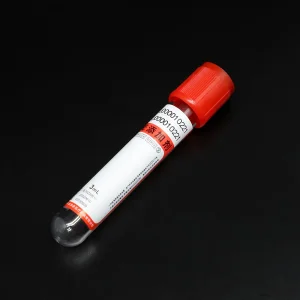 Pet/Glass 4ml 6ml EDTA Sodium Citrate Blood Collection Tube
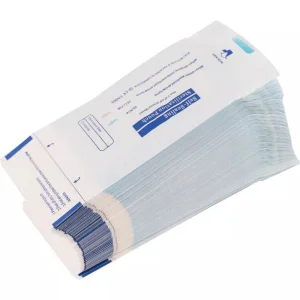 China Sterilization Pouch - disposable Medical Supplies
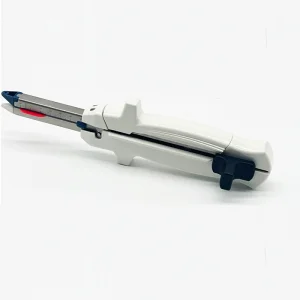 Disposable Linear Cutter Stapler with Reload Units
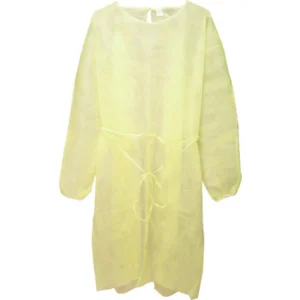 New Product Isolation Suit Protective Clothing PPE
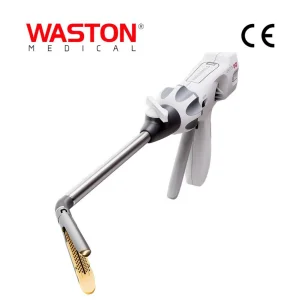 Waston CE FDA Electric Stapler Surgical Stapler
 Anti-Itch Pet Skin Care Spray Comfort Solutions
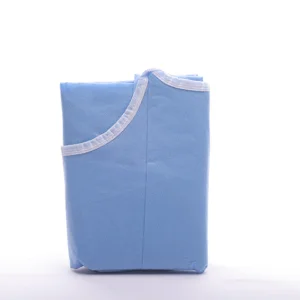 Disposable Non-Woven Isolation Waterproof Gown
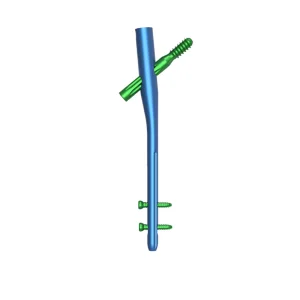 Gamma Interlocking Nail Orthopedic Implants
The global Blood Pressure Monitor (BPM) market is currently undergoing a seismic shift. Valued at approximately USD 3.5 billion in 2023, the industry is projected to grow at a CAGR of 8.2% through 2030. This growth is driven not just by aging populations, but by the "democratization of health data." Leading manufacturers and factories are no longer just making hardware; they are building data nodes for the future of decentralized medicine.
North America and Europe currently dominate the market share due to high awareness, but the Asia-Pacific region is the fastest-growing factory hub, with China and Vietnam leading in OEM/ODM capabilities.
Modern factories are integrating MEMS (Micro-Electro-Mechanical Systems) pressure sensors to achieve clinical-grade accuracy within 3mmHg, a standard set by the ESH and AAMI.
Over 60% of new devices coming off production lines now feature BLE (Bluetooth Low Energy) or Wi-Fi connectivity, syncing directly with cloud-based Hospital Information Systems (HIS).
Factories are pivoting toward PPG (Photoplethysmography) and Pulse Transit Time (PTT) technologies. The goal is continuous, non-invasive monitoring through wearables, eliminating the discomfort of traditional inflatable cuffs.
Manufacturers are embedding AI chips to analyze BP variability patterns. This allows the device to predict potential hypertensive crises or arrhythmias before they occur.
Top 10 factories are now focusing on ISO 14001 compliance, using medical-grade recycled plastics and mercury-free components to align with global ESG (Environmental, Social, and Governance) mandates.
BPMs are now standard in "Hospital-at-Home" kits. Manufacturers are designing devices with API-first architectures to facilitate seamless data transfer to remote physicians.
Advanced factories are implementing calibration-free algorithms based on massive datasets, allowing devices to adjust for different skin tones and arterial stiffness automatically.
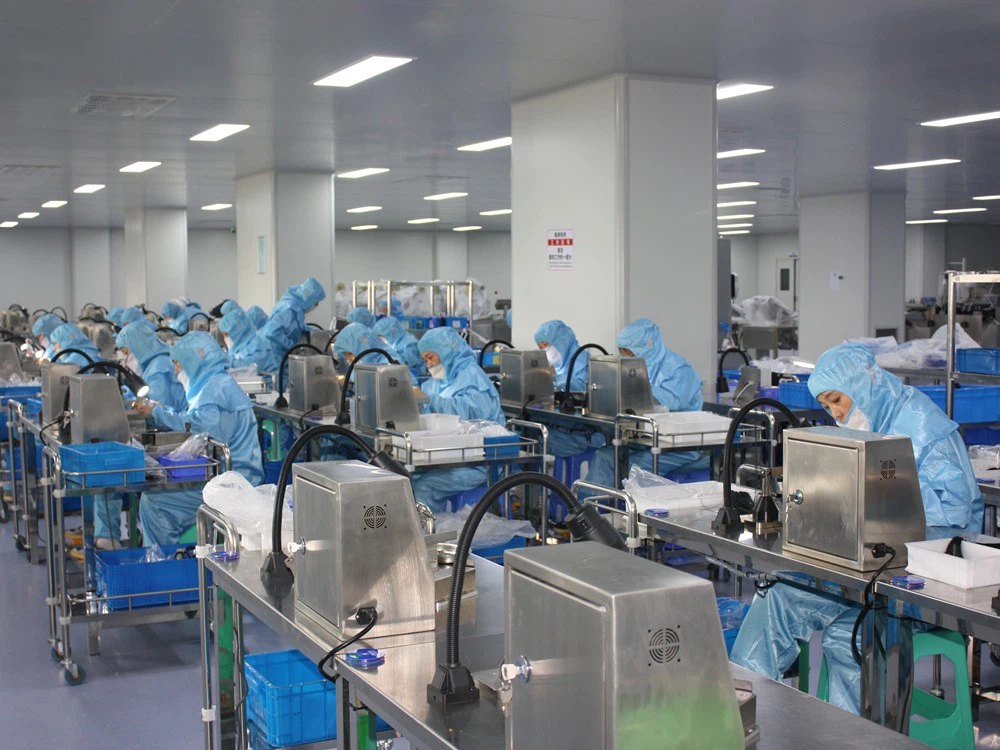
Founded in May 2004, Jiangsu BRJ Medical Co., Ltd. is a leading manufacturer specializing in the research, development, production, and distribution of high-quality surgical sutures, surgical needles, and other related medical instruments.
With 29 invention patents and fully automated production systems, BRJ Medical exemplifies the standard of excellence required in the modern medical supply chain. Their commitment to CE, ISO 13485, ISO 14001, and ISO 45001 standards ensures that they remain a cornerstone of global healthcare safety.
Our philosophy is built on modern techniques, superior quality, and complete customer satisfaction. We have heavily invested in developing and integrating advanced technologies into our manufacturing processes, contributing to improving patient outcomes and advancing medical practices globally.
Heavy-duty, multi-user systems with high-speed inflation and validated accuracy for high-traffic wards. Integration with EHR (Electronic Health Records) is mandatory.
User-friendly, large-font displays with "One-Touch" operation. Focus on ergonomic cuff design to prevent user error during self-measurement.
Public-use monitors designed for durability and hygiene. Often features thermal printers and payment gateways for localized health check stations.
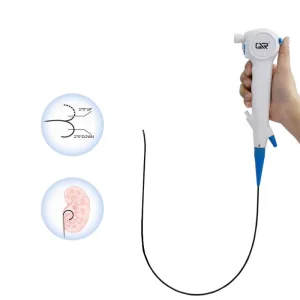 Medical Electric Ureteroscope - Flexible Surgical Tool
 Rosehip Oil Chamomile Ear Powder Triple Action Care
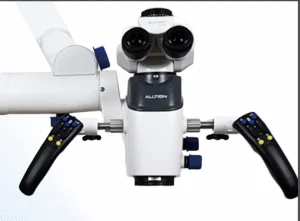 Angel 200 Operating Microscope for Urological
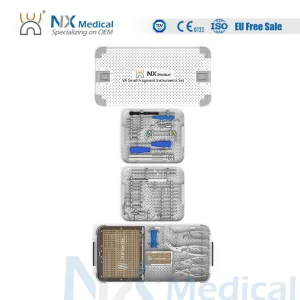 Nx Medical Surgical Orthopedic Bone Instruments
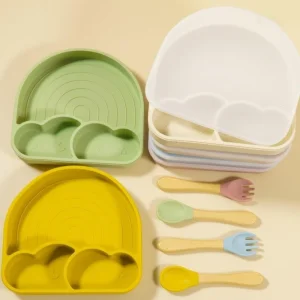 Silicone Baby Feeding Bowl Eco-Friendly Design
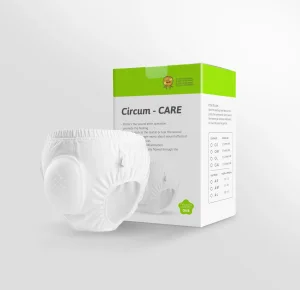 Circum-Care Postoperative Protective Underwear
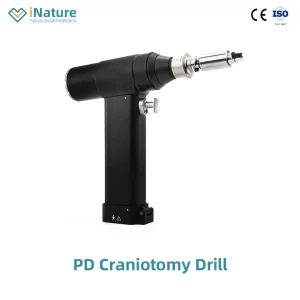 Surgical Orthopedic Power Tools, Electric Sternal Saw
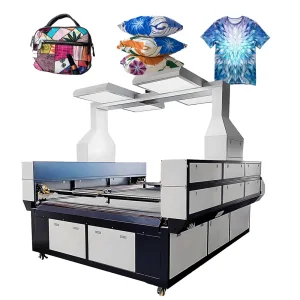 Laser Cutter Textile Camera Auto Feeding 1830