How to Tell Sterile from Non-Sterile Bandages?

Time:2026-05-25 Author:Mason
0%

When dealing with bandages, understanding differences is critical. Knowing how to differentiate between sterile and non-sterile bandages can impact wound care significantly. Sterile bandages are critical for surgical wounds, while non-sterile versions may introduce bacteria to open cuts.

Look for packaging that indicates sterility. Sealed packages are a good sign. However, the absence of visible contamination isn’t enough. Always consider the context. Expired sterile bandages may become non-sterile. Keep an eye on storage conditions, as humidity can compromise sterility as well.

In an emergency, grasping these concepts is vital. However, many overlook the importance of checking labels or performing checks for proper storage. Misjudgments here can lead to infections. Therefore, aim to remain vigilant. It’s essential to continually learn and refine your understanding of these crucial details.
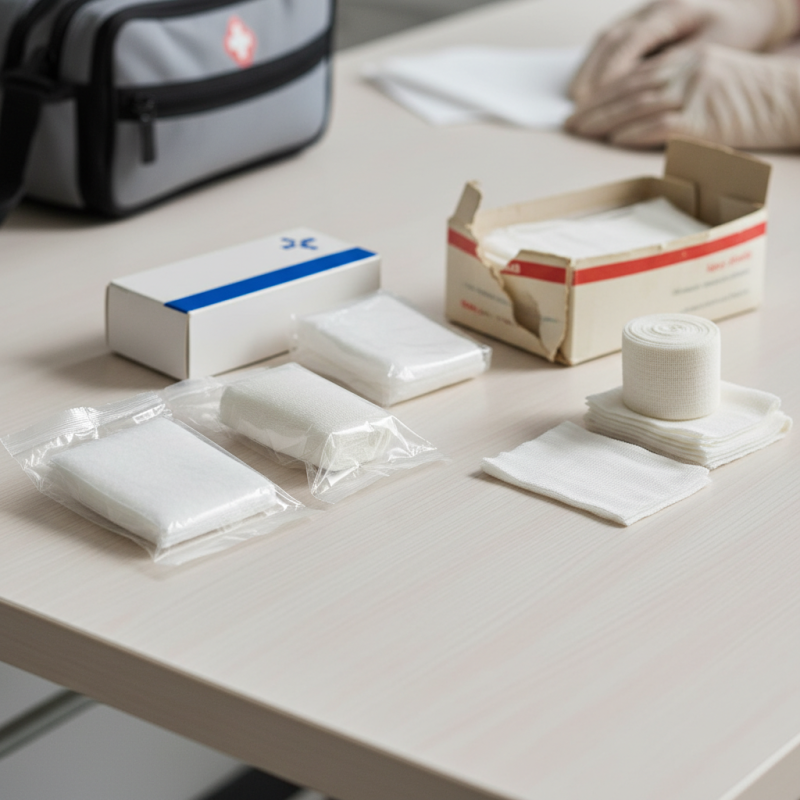
How to Tell Sterile from Non-Sterile Bandages?

Understanding the Definitions of Sterile and Non-Sterile Bandages

Understanding the definitions of sterile and non-sterile bandages is essential. Sterile bandages are free from pathogens and other contaminants. They undergo rigorous sterilization processes, often using methods like steam or gamma radiation. This ensures safety for open wounds. In contrast, non-sterile bandages might harbor bacteria. They are suitable for applications where the risk of infection is low.

Industry data indicates that nearly 30% of healthcare-associated infections stem from improper use of bandages. A sterile bandage can significantly reduce this risk. Medical professionals stress the importance of applying sterile techniques during wound care. A clear understanding of the difference aids in preventing complications.

It’s also important to note that not all wounds require sterile bandages. Some minor injuries can be treated with non-sterile options. For instance, a scraped knee on an otherwise healthy skin might not need a sterile dressing. However, using non-sterile bandages in the wrong context can lead to infection. Each situation demands careful consideration of the bandage type used.

Key Differences Between Sterile and Non-Sterile Bandages

When choosing between sterile and non-sterile bandages, understanding the key differences is essential. Sterile bandages are packaged in a way that ensures they remain free from pathogens. Usually, they come sealed in plastic or foil wrappers. This clear packaging allows users to easily identify their sterility. It is critical for treating open wounds to prevent infection.

On the other hand, non-sterile bandages do not offer that same level of protection. These bandages are often intended for minor, closed wounds or as a secondary dressing over sterile ones. They can come from bulk packages without individual wrappers. Recognizing this difference is vital, especially in first aid situations.

In practice, many individuals may confuse these two types of bandages. A common mistake is using a non-sterile bandage on an open wound. This can lead to complications like infections. It’s important to check for packaging integrity and labeling closely. Using the wrong type might seem trivial, but the effects can be significant. Always prioritize wound care with the appropriate bandage to ensure proper healing.

Identifying Labels and Packaging Information for Bandage Sterility

When choosing bandages, understanding labels is crucial. Sterility is a key factor in their use. A sterile bandage typically has a clear indicator on the packaging. Look for terms like “sterile” clearly printed. Some bandages use symbols or icons to show sterility. These labels should be easy to read.

Packaging is equally important. Bandages should be sealed in intact packaging. If the package is damaged, do not use the bandage. Sterility can be compromised easily. Research shows that improper storage and handling can lead to contamination. It is recommended that bandages are stored in a cool, dry place to maintain integrity.

Consumer education varies significantly. A study from the Journal of Infection Control reveals that 40% of people cannot identify sterile bandages accurately. This highlights the need for awareness. Proper understanding of labels can prevent infections. It is crucial to check the expiration date too. Over time, even sterile products can lose their effectiveness, so freshness is key.

Best Practices for Inspecting Bandage Integrity and Sterility

When inspecting bandages, attention to detail is vital. Start by examining the packaging. A sterile bandage will often indicate it is sealed and intact. Any damage to the package raises questions about its sterility. Look for indicators such as expiration dates or symbols that confirm the bandage is sterile. These elements are crucial for ensuring safety.

Next, consider the storage conditions of the bandages. Bandages kept in humid or high-temperature areas may lose their effectiveness. It’s essential to store them in a cool, dry place. Many people overlook this, assuming all storage environments are acceptable. Using a dedicated storage container can help maintain ideal conditions.

Always inspect the bandage itself before use. A sterile bandage should feel dry and clean. If you notice any moisture or discoloration, it’s best to discard it. Trusting your senses is key; if something feels off, it likely is. In the end, paying attention to these details can prevent infections and promote healing.

How to Tell Sterile from Non-Sterile Bandages? - Best Practices for Inspecting Bandage Integrity and Sterility

Characteristic Sterile Bandages Non-Sterile Bandages
Packaging Individually sealed, often in a foil or polymer pouch May be in a bulk package or open packaging
Expiration Date Clearly marked and usually extends several years from the manufacture date May not have a clear expiration date
Color Indicator May have a color change indicator confirming sterility No color change indicator
Integrity Check Check for intact packaging; any breaches may compromise sterility Assume contamination if packaging is breached
Use Cases Surgical or sensitive wound care where infection risk is high General use or minor cuts where infection risk is lower

When to Use Sterile vs Non-Sterile Bandages in Wound Care

When managing wounds, the choice between sterile and non-sterile bandages plays a critical role. Sterile bandages are designed to prevent infection. They are essential for open wounds, surgical incisions, and serious injuries. Data by the Centers for Disease Control and Prevention (CDC) highlights that 2 million infections occur from surgical wounds annually in the U.S. Using sterile products significantly reduces this risk.

Non-sterile bandages, however, are appropriate for minor cuts and scrapes. They act as a protective layer without the need for sterility. The World Health Organization (WHO) suggests that for superficial wounds, non-sterile options can be effective. It is essential to clean the wound first to prevent contamination. A common oversight is using non-sterile bandages on deeper or dirty wounds, which may lead to complications.

In wound care, understanding these distinctions is vital. While the convenience of non-sterile bandages is appealing, neglecting their limitations can result in infections. Awareness and education are necessary for effective wound management. Regular training on wound care can empower caregivers to make informed decisions. Yet, many still lack adequate knowledge, leading to unexpected challenges in healing.

FAQS

: What are sterile bandages?

: Sterile bandages are free from pathogens. They are treated through sterilization methods to ensure safety for wounds.

When should I use a sterile bandage?

Use a sterile bandage for open wounds and surgical incisions. They help prevent infections effectively in these cases.

What are non-sterile bandages used for?

Non-sterile bandages are suitable for minor cuts and scrapes. They provide protection without requiring strict sterility.

Can I use a non-sterile bandage on any injury?

Not all injuries can use non-sterile bandages. Using them on deeper wounds may lead to complications and infection.

How can improper bandage use affect healing?

Improper use can cause infections. Nearly 30% of healthcare infections arise from incorrect bandage application.

What should I do before applying a bandage?

Clean the wound thoroughly first. This minimizes the risk of contamination, especially with non-sterile bandages.

Do all wounds need sterile treatments?

No, minor injuries may not require sterile dressings. Assess the injury to decide on the right bandage type.

Why is education on wound care important?

Many lack knowledge about bandage use. Training can help prevent issues and improve healing outcomes.

Are there risks with non-sterile bandages?

Yes, using them carelessly can lead to infections. Understanding their limitations is crucial for effective care.

What are common mistakes in bandaging?

Using non-sterile bandages on dirty wounds is common and risky. Awareness can prevent infection and complications.

Conclusion

To effectively address the question of how to differentiate between sterile and non-sterile bandages, it is crucial to understand their definitions and key differences. Sterile bandages are sealed and treated to eliminate all viable pathogens, making them ideal for open wounds or surgical applications. In contrast, non-sterile bandages may contain bacteria and are suitable only for covering minor cuts or abrasions where infection risk is lower.

Properly inspecting labels and packaging information is essential; look for indicators such as "sterile" in large print and confirm that the packaging is intact. Additionally, best practices for evaluating bandage integrity include checking for any punctures or damage. Knowing when to use sterile versus non-sterile bandages in wound care directly influences healing outcomes and infection prevention. Overall, understanding these elements will enhance your ability to choose the appropriate bandage for each situation.

Mason

Mason

Mason is a seasoned marketing professional with a deep expertise in the company's offerings and a passion for driving brand awareness. With a strong background in digital marketing strategies, he has an innate ability to connect with diverse audiences and effectively communicate product benefits.......