How to Safely Dispose of Used Surgical Blades at Home?

Time:2026-07-25 Author:Ethan
0%

When it comes to home healthcare, understanding “How to properly dispose of used surgical blades at home?” is crucial. Dr. Emily Carter, a certified medical waste management expert, emphasizes, “Improper disposal of sharp instruments can lead to serious injuries.” Used surgical blades, though essential for medical procedures, pose risks if not handled correctly.

Many people may overlook the potential dangers of used blades. Sharps can cause cuts, infections, or even transmit diseases. It is vital to use designated containers for disposal. These containers are designed to safely hold sharp objects until they can be properly disposed of by professionals. Keeping such containers out of reach of children and pets is equally important.

Educating ourselves about safe disposal methods ensures our homes remain safe environments. Dr. Carter reminds us, “Awareness is the first step in preventing accidents.” While it might seem like a hassle, taking these precautions shows responsibility and care for one’s community. Proper disposal practices save us from the consequences of negligence and help maintain public safety.
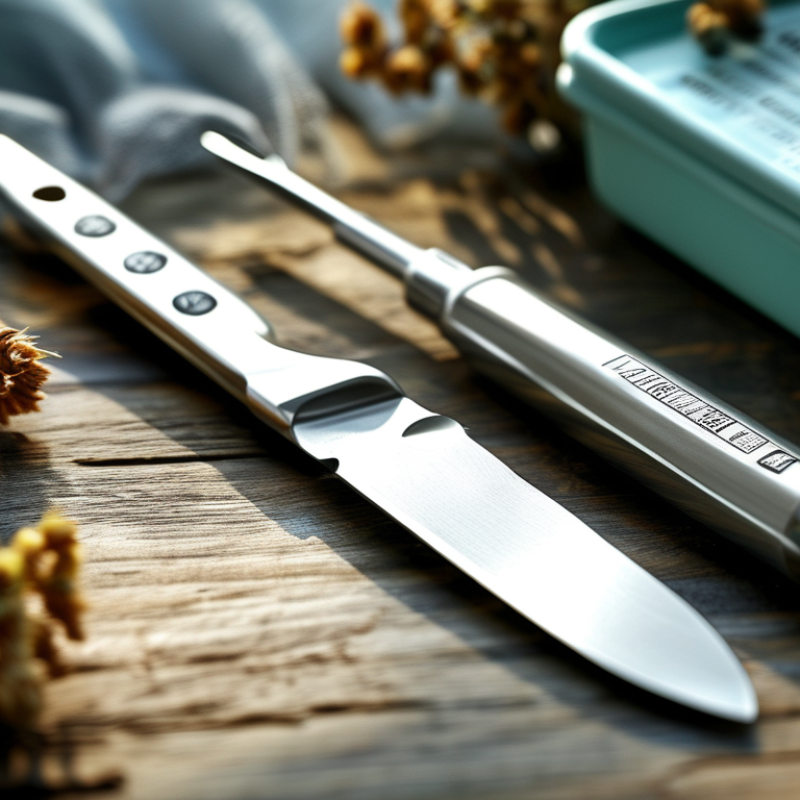
How to Safely Dispose of Used Surgical Blades at Home?

Understanding the Risks of Improper Surgical Blade Disposal

Improper disposal of surgical blades can pose significant risks. These blades are sharp and can cause injuries if not handled carefully. They may also carry biological hazards. A discarded blade may still harbor pathogens. This can expose anyone who comes into contact with it to infections. It is essential to treat these items with caution and respect.

Many people might not realize the potential harm. Throwing blades in regular trash is unwise. Instead, they should be placed in designated sharps containers. These containers are designed to safely contain sharp objects. They prevent accidental injuries and keep the community safe. When the container is full, it can be disposed of according to local regulations.

Some might think that wrapping blades in paper is sufficient. However, this is often ineffective and risky. The blades can still puncture through. If you have used surgical blades at home, consider safe alternatives. Always aim for a reliable method to minimize risks. Being aware of proper disposal practices can help protect others.

Proper Disposal Methods for Used Surgical Blades

Materials Needed for Safe Disposal of Used Surgical Blades

When disposing of used surgical blades at home, it's crucial to prioritize safety. To manage this effectively, you’ll need specific materials. Start with a sturdy sharps container. This should be puncture-resistant and clearly labeled. Many health organizations recommend using containers specifically designed for medical waste.

Using a transparent plastic bottle can also work, as long as it's strong enough to prevent any accidental cuts. Remember to tape the lid securely once it's full. Additionally, gloves should be worn during the disposal process to avoid direct contact. According to the CDC, improper disposal of sharp objects can lead to injuries in over 16,000 cases annually.

Tip: Always store your sharps container out of reach of children. Another suggestion is to regularly check if your container is nearing full capacity. Once it is full, follow local disposal guidelines. It may feel inconvenient, but taking time to follow these practices can prevent serious injuries.

Using a permanent marker to label your container can also help if multiple households share a space. Dispose of these items responsibly, reducing the risk of spread by ensuring they remain contained. Remember, simple actions can lead to significant safety improvements in your home environment.

Step-by-Step Guide to Preparing Surgical Blades for Disposal

When disposing of used surgical blades, safety is paramount. These blades are sharp and can pose a risk to both humans and pets. Begin by preparing a sturdy, puncture-resistant container. A thick plastic bottle or a metal tin works well. Make sure it can be sealed tightly. Avoid using cardboard or regular trash bags; they can be easily breached.

Once your container is ready, handle the blades with care. Use tweezers or gloves to avoid direct contact. Drop each blade into the container gently. It’s crucial to ensure the blades are fully secured inside before sealing the container. Mark the outside of the container with a warning label, such as "Sharps" or "Dangerous Waste." This informs anyone handling it of the potential hazards inside.

Finally, check local regulations for disposal. Different areas have specific guidelines for sharps disposal. Some regions offer hazardous waste collection sites. Others may have designated drop-off days. Taking these steps not only protects you but also the environment and others in your community. Remember, it’s not just about throwing away blades; it’s a matter of public safety. Ignoring proper disposal methods might lead to accidents or injuries. So, reflect on your actions and make responsible choices.

Best Practices for Storing Used Blades Before Disposal

When handling used surgical blades at home, safe storage is paramount. It's crucial to keep them out of reach of children and pets. A hard, puncture-resistant container is ideal for this purpose. Consider using a thick plastic or metal box. Labeling the container clearly can remind everyone to handle it with care.

Never leave used blades lying around. After use, promptly place them in the container. This reduces the risk of accidental cuts. Do not try to recap or cover used blades; it increases the danger. If you change bandages or perform other minor procedures, always dedicate a specific space for blade storage.

Avoid overcrowding the storage container. An overstuffed container can lead to blades breaking or becoming exposed. Regularly check your container for any signs of wear and change it if necessary. Think about the best timing for disposal. Don’t let used blades sit for too long; plan a regular schedule for safe disposal. The more mindful the handling, the safer the environment.

Eco-Friendly Disposal Options for Used Surgical Blades at Home

Disposing of used surgical blades safely is crucial for both safety and environmental health. Many household items, including healthcare materials, can lead to injuries or contamination if not disposed of properly. Research indicates that improper disposal of sharp objects contributes significantly to healthcare-associated injuries. According to the World Health Organization, 32% of healthcare workers experience needlestick injuries, often due to inadequate disposal practices.

Eco-friendly disposal options are essential. One effective method is to place used blades in designated sharps containers. These containers are designed to withstand punctures and prevent leaks. Once full, many healthcare facilities offer collection services for proper disposal. This minimizes risks to sanitation workers and protects the environment.

Tips for safe disposal: Always use a sturdy, clearly labeled container for used blades. Never throw them in regular waste bins. Consider reaching out to local waste management for guidance on hazardous waste disposal. Keeping your home safe and eco-friendly starts with responsible practices. It’s vital to reflect on our disposal habits. Are we doing enough to protect ourselves and the planet?

FAQS

: What are the risks of improper surgical blade disposal?

: Improper disposal can lead to injuries and potential infections from pathogens on discarded blades.

How should surgical blades be disposed of?

Use designated sharps containers to safely dispose of surgical blades. Regular trash is not appropriate.

Is wrapping blades in paper safe?

No, wrapping blades in paper is risky as they can puncture through easily.

What type of container should be used for blade disposal?

A sturdy, puncture-resistant container, like a thick plastic bottle or metal tin, is ideal.

How can I safely handle surgical blades?

Use tweezers or gloves for handling. Avoid direct contact to minimize injury risk.

What should I do if my disposal container is full?

Follow local regulations for disposal. Some areas have specific collection sites or drop-off days.

How can I prevent accidents with used blades?

Never leave blades lying around. Store them promptly in a designated container.

Why is it important to label the disposal container?

Labels like "Sharps" warn others of potential hazards inside, promoting safety.

How often should I check blade storage containers?

Regularly inspect containers for wear. Replace them if damaged or overstuffed.

What should I do with used blades after completing a procedure?

Dispose of them immediately in a safe container to reduce injury risks.

Conclusion

Improper disposal of used surgical blades can pose significant health risks, making it essential to learn how to properly dispose of used surgical blades at home. First, it's important to gather the necessary materials, such as puncture-proof containers, to ensure safe handling. Following a step-by-step guide will help prepare the blades for disposal, minimizing any potential hazards.

Additionally, best practices for storing used blades before their final disposal should be observed to keep them out of reach from children and pets. Eco-friendly disposal options are also available, allowing for responsible management of these sharps. By being mindful of these guidelines, individuals can effectively contribute to a safer home environment while ensuring that used surgical blades are handled and disposed of appropriately.

Ethan

Ethan

Ethan is a seasoned marketing professional with a deep expertise in our company's innovative product line. With a passion for sharing knowledge and insights, he takes the lead in regularly updating our corporate blog, where he explores industry trends, product features, and effective marketing......