How to Safely Dispose of Biohazardous Waste from Catheters?

Time:2026-07-10 Author:Oliver
0%

The safe disposal of biohazardous waste from catheters is a critical issue. According to the World Health Organization, up to 85% of healthcare waste is non-hazardous. However, the remaining 15%, which includes waste from catheters, poses significant risks to public health and the environment. Improper disposal can lead to the spread of infections and environmental contamination.

Understanding how to dispose of biohazardous waste from catheters and bags is essential for healthcare providers. The Centers for Disease Control and Prevention (CDC) states that appropriate waste handling practices can significantly reduce the likelihood of disease transmission. Yet, many facilities lack sufficient training and protocols, leading to potential healthcare-associated infections.

Healthcare workers must receive adequate training to manage waste properly. Many may overlook essential procedures during busy shifts. Focusing on reliable disposal methods is crucial to ensure safety for both medical staff and patients. There is still much room for improvement in existing waste management practices. Awareness and adherence to guidelines can significantly contribute to safe disposal outcomes.
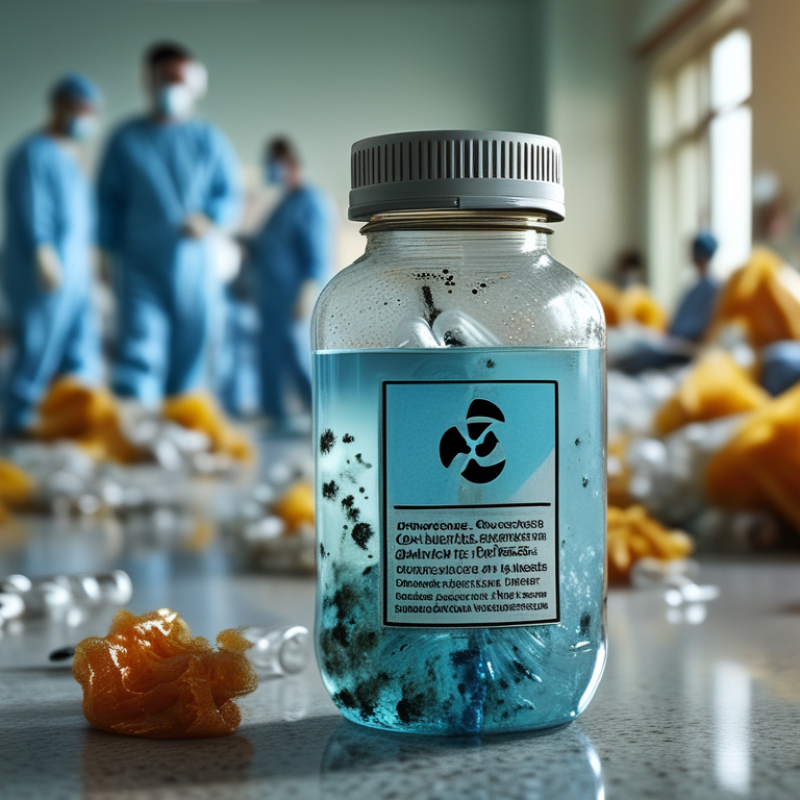
How to Safely Dispose of Biohazardous Waste from Catheters?

Understanding Biohazardous Waste and Catheter-Associated Risks

Biohazardous waste is a critical concern in healthcare. Catheters, frequently used in medical settings, pose significant risks if not properly managed. According to the Centers for Disease Control and Prevention (CDC), catheter-associated urinary tract infections (CAUTIs) affect nearly 1 million patients each year in the United States alone. These infections highlight the importance of understanding the biohazardous materials involved.

Biohazardous waste from catheters often includes bodily fluids, contaminated supplies, and infected materials. The Environmental Protection Agency (EPA) states that improper disposal can lead to serious health risks for waste management workers and the general public. Best practices recommend segregating biohazardous materials from general waste. Additionally, specific containers should be used for collection. Accessibility to such resources can sometimes be inadequate, creating gaps in safe disposal practices.

Healthcare facilities must challenge their protocols and ensure adherence to biohazard disposal guidelines. A report from the World Health Organization (WHO) emphasizes the need for continuous training for medical staff. Knowledge gaps can lead to unsafe practices. Thus, ongoing education and resources are essential for minimizing risks associated with catheter usage and disposal.

Regulatory Guidelines for the Disposal of Catheter Waste

When dealing with catheter waste, strict adherence to regulatory guidelines is essential. The Centers for Disease Control and Prevention (CDC) provide clear directives on managing biohazardous materials. According to the CDC, medical facilities must treat catheter waste as potentially infectious, requiring careful disposal methods. This includes using puncture-resistant containers specifically designed for sharps.

Local regulations often vary, but many jurisdictions align with the Occupational Safety and Health Administration (OSHA) standards. These standards assert that healthcare facilities must maintain a comprehensive waste management plan. It must include staff training on proper waste segregation and disposal techniques. Organizations should conduct regular audits to ensure compliance. Recent studies indicate that up to 30% of healthcare facilities do not consistently follow these disposal procedures, leading to increased risks.

Improper disposal can result in serious health hazards. A report from the World Health Organization (WHO) highlights that inadequate management of medical waste, including catheter waste, contributes to the spread of infections. Hospitals that neglect these guidelines may face fines and further scrutiny from health authorities. Creating a culture of safety is vital, where staff members feel empowered to report waste management issues. Addressing these oversights is critical for improving patient and worker safety.

How to Safely Dispose of Biohazardous Waste from Catheters? - Regulatory Guidelines for the Disposal of Catheter Waste

Regulatory Aspect Guideline/Regulation Description
Waste Classification EPA Guidelines Defines biohazardous waste as any waste that poses a risk of infection.
Containment OSHA Regulations Requires the use of clearly marked, leak-proof containers for disposal.
Transport DOT Regulations Outlines safe transport methods of biohazardous waste to disposal facilities.
Disposal Methods State Health Department Guidelines Mandates incineration or autoclaving as acceptable disposal methods for catheter waste.
Training OSHA Training Standard Employers must train staff on proper biohazard waste handling and disposal.

Best Practices for Segregating Biohazardous Waste from Catheters

Properly segregating biohazardous waste from catheters is essential for healthcare safety. Catheters can carry various pathogens, and mishandling their disposal can lead to serious environmental and health risks. Effective segregation minimizes exposure to these risks.

Tips for segregation include using designated biohazard containers. These containers must be clearly labeled and puncture-resistant. When disposing of catheters, ensure they go directly into the appropriate containers without any other waste mixed in. This helps prevent contamination and facilitates safe handling.

Training staff on proper disposal practices is vital. Regular education can reinforce the importance of handling biohazardous waste correctly. However, human error is always a possibility. It’s crucial to have a protocol in place for reporting and correcting disposal mistakes, ensuring continuous improvement in waste management practices.

Safe Transport and Storage of Catheter Biohazardous Waste

Transporting and storing biohazardous waste from catheters requires careful handling. Contaminated materials can pose risks to healthcare workers and the environment. According to the World Health Organization, approximately 85% of all healthcare waste is non-hazardous. However, the remaining 15% can include dangerous materials, increasing the importance of proper disposal methods.

Biohazardous waste must be placed in puncture-resistant containers, clearly labeled with biohazard symbols. These containers should be kept in designated storage areas, away from public access. Studies indicate that improper storage can lead to contamination and accidents, highlighting the need for staff training. Regular audits of storage areas can help maintain safety compliance and reduce risks.

Additionally, staff should be trained on the appropriate protocols for transporting this hazardous waste. Personal protective equipment (PPE) is crucial during transport. The Health and Safety Executive highlights that exposure to biohazardous materials can lead to serious health issues, including infections. Consistent evaluation of waste management procedures can lead to improved safety standards, though challenges remain in adherence to protocols.

Cost-Effective Methods for Disposal of Catheter-Related Biohazardous Waste

Disposing of biohazardous waste from catheters requires careful planning and execution. This waste poses health risks, so proper methods are essential. Cost-effective disposal involves several strategies that ensure safety and compliance. One effective method is using designated containers that meet regulatory standards. These containers can reduce contamination risk and save money in the long run.

Many facilities overlook training staff on waste disposal. Educating employees is vital. Clear guidelines can prevent accidents and enhance safety. Many workers may feel unsure about proper disposal techniques. Providing refresher courses can strengthen confidence and reliability. This also helps create a culture of safety within the team.

Recycling programs for certain catheter components can reduce waste. Furthermore, exploring local waste management options can lead to partnerships. Such collaborations may offer better pricing for disposal services. Regular audits of disposal practices can identify areas of improvement. Reflecting on current methods can unveil opportunities for cost savings and better safety practices.

FAQS

: What is catheter waste considered as?

: Catheter waste is treated as potentially infectious material and must be handled carefully.

How should catheter waste be disposed of?

Use puncture-resistant containers designed for sharps. Dispose of catheters directly without mixing with other waste.

Why is staff training important in waste disposal?

Training staff prevents mishandling of waste and reinforces safe disposal practices, reducing health risks.

What could happen if waste disposal guidelines are ignored?

Neglecting guidelines can lead to serious health hazards and increased scrutiny from health authorities.

How can healthcare facilities minimize contamination risks?

Facilities can use clearly labeled biohazard containers, preventing contamination from mixed waste.

What are some cost-effective disposal methods?

Use designated containers and consider local partnerships for better pricing on disposal services.

What role does regular auditing play in waste management?

Regular audits help identify compliance issues and opportunities for improving disposal practices.

How can recycling catheter components be beneficial?

Recycling can reduce waste and potentially lower disposal costs while promoting environmental responsibility.

What should facilities do if disposal errors occur?

Establish a protocol for reporting and correcting mistakes to ensure continuous improvement in practices.

What is a common issue with staff regarding waste disposal?

Many staff members feel uncertain about disposal techniques, highlighting the need for ongoing education.

Conclusion

Proper disposal of biohazardous waste from catheters is crucial for health and safety. Understanding biohazardous waste and the risks associated with catheter usage is the first step in ensuring safe disposal. Regulatory guidelines outline necessary protocols to manage and dispose of such waste, which is vital for compliance and public health.

Best practices emphasize the importance of segregating biohazardous waste at the point of generation to minimize contamination risks. Safe transport and storage procedures also play a critical role in protecting waste handlers and the environment. Finally, exploring cost-effective disposal methods can help facilities manage expenses while adhering to safety regulations. Overall, knowing how to dispose of biohazardous waste from catheters and bags appropriately is essential in mitigating health risks and promoting safety within healthcare settings.

Oliver

Oliver

Oliver is a seasoned marketing professional with a wealth of expertise in driving brand awareness and engagement. With a deep understanding of our company's product offerings, he consistently delivers high-quality content that enriches our professional blog. His insights not only shed light on......