How to Properly Apply a Compression Bandage for Sprained Ankle?

Time:2026-05-11 Author:Ethan
0%

A sprained ankle is a common injury that can cause significant discomfort and hinder mobility. Knowing how to apply a compression bandage for a sprained ankle is crucial for proper recovery. This simple yet effective technique can help reduce swelling and provide support, allowing you to regain your mobility faster.

In this guide, we will explore the steps to properly apply a compression bandage. It’s essential to use the right materials and techniques to avoid further injury. A poorly applied bandage can worsen the situation. This guide draws on expert advice and practical experience in injury management.

Whether you’re an athlete or an everyday individual, learning proper techniques is vital. We will share expert tips and real-life scenarios. Reflecting on your approach to injury care can lead to better outcomes. Remember, your health is a priority.
How to Properly Apply a Compression Bandage for Sprained Ankle?

Understanding Compression Bandages and Their Uses

Compression bandages are essential for treating sprained ankles. They help reduce swelling and provide support. When properly applied, they can speed up recovery. Understanding their uses can enhance your treatment approach.

These bandages are made from elastic materials. They apply consistent pressure to the injured area. This pressure helps control swelling and stabilize the joint. It's important to wrap the bandage snugly, but not too tight. Too much pressure can cut off circulation and cause additional pain. Check the benefits of proper application. Look for signs of discoloration or increased pain.

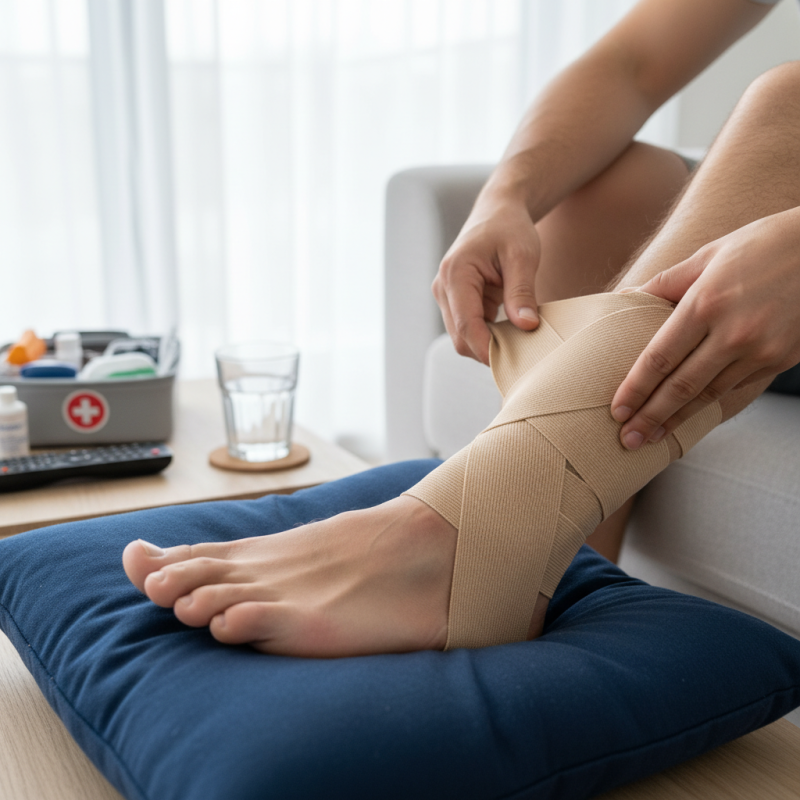
Applying a compression bandage involves more than just wrapping. Choosing an appropriate size is crucial. You need a bandage that comfortably wraps your foot. Start at the toes and wrap upward. Overlap the layers for even coverage. Keep adjusting until it feels secure. Always listen to your body. If discomfort arises, consider reapplying. It’s better to be cautious than risk further injury. Learning the correct technique can make all the difference in recovery.

Identifying the Signs of a Sprained Ankle

A sprained ankle is a common injury, often occurring during sports or falls. According to the American Academy of Orthopaedic Surgeons, 25,000 sprains happen daily in the U.S. Signs of a sprained ankle include swelling, bruising, and limited mobility. Pain may also intensify when walking or moving the joint. Understanding these signs is crucial for effective treatment.

Recognizing the severity of the sprain is essential. A mild sprain may simply involve overstretched ligaments. A moderate sprain involves partial tears of ligaments. Severe sprains might lead to complete tears, requiring medical attention. A study published in the Journal of Athletic Training suggests that early intervention can significantly enhance recovery timelines.

Tips: Elevate the injured ankle to reduce swelling. Ice should be applied for 20 minutes every hour, especially in the first 48 hours. Compression bandages can offer support and decrease inflammation but must be applied correctly to avoid restricting blood circulation.

It’s important to reflect on your recovery habits. Some individuals may rush back to activity, risking further injury. Be patient and attentive to your body’s signals. Allow adequate healing time to ensure a full recovery.

Gathering Necessary Supplies for Bandaging

When dealing with a sprained ankle, gathering the right supplies for bandaging is essential. You will need a compression bandage, scissors, and possibly a cold pack. A clean, dry surface is also important for application. Ensure the area around the injury is accessible. This will simplify the process and reduce delays.

Tips: Always choose a bandage that is wide enough to cover the affected area entirely. This ensures even compression. Keep the bandage at room temperature; cold, stiff materials can be challenging to work with. If possible, have someone assist you during the bandaging process.

As you prepare, consider the tools you use. Scissors should be sharp for clean cuts, while the bandage must be of good quality. A poor choice here might lead to ineffective support. Rushing can lead to mistakes, so take your time to ensure everything is in place. Proper preparation can prevent complications later in treatment.

How to Properly Apply a Compression Bandage for Sprained Ankle?

Supplies Description Purpose
Compression Bandage Elastic bandage designed to apply pressure Helps reduce swelling and provides support
Adhesive Tape Strong tape for securing the bandage Keeps the bandage in place
Scissors Used to cut the bandage and tape to size Facilitates proper sizing for application
Ice Pack Cold pack to reduce swelling Helps alleviate pain and swelling
Resting Surface A clean area where the injured ankle can rest Provides comfort and prevents further injury

Step-by-Step Guide to Applying the Compression Bandage

Applying a compression bandage to a sprained ankle can significantly reduce swelling. Start by gathering the necessary supplies: a clean bandage, scissors, and padding. If needed, have ice ready for immediate use.

Wrap the bandage starting at the toes, moving upward toward the calf. Ensure the bandage is snug but not too tight; this affects blood flow. Smooth the bandage out as you go to prevent wrinkles. Keep an eye on the toes. They should remain warm and pink.

**Tips:** Use an elastic bandage for better compression. This material adapts to the ankle's shape. Take breaks while applying if the bandage feels uncomfortable. Always listen to your body; excessive tightness can lead to further injury.

After securing the bandage, elevate your ankle. This reduces swelling and aids healing. Monitor your ankle for changes. If you experience increased pain or unusual sensations, reevaluate your application. Adjust the bandage if necessary. Be patient; healing takes time.

Compression Bandage Pressure Levels for Sprained Ankle

Maintaining and Monitoring the Bandaged Ankle Care

When dealing with a sprained ankle, proper care of the bandaged area is crucial. After applying a compression bandage, regularly check for any signs of discomfort. The bandage should feel snug but not overly tight. Look for signs like swelling or numbness, which may indicate that it needs adjustment. Adjusting the tension can help enhance comfort and effectiveness.

Monitoring the ankle’s condition is also essential. Keep an eye on the skin beneath the bandage. It should remain dry and intact. Any irritation or rash can signal an issue. If the skin becomes red or painful, consider reapplying the bandage with a lighter touch. Change the bandage daily or as needed to maintain hygiene and effectiveness.

Remember, this recovery process is not always linear. Pain may fluctuate, which can feel frustrating. Seeking advice from a healthcare professional can provide insights tailored to your specific situation. Stay attentive and proactive about your care, as this can significantly improve your recovery experience.

FAQS

: What is the purpose of a compression bandage?

: A compression bandage reduces swelling and supports injuries like a sprained ankle.

How should a compression bandage be applied?

Start wrapping at the toes and move upward. Ensure it is snug but not overly tight.

What supplies are needed for applying a compression bandage?

You need a compression bandage, scissors, padding, and possibly a cold pack.

How do I know if the bandage is too tight?

Check for discoloration or increased pain in the toes. They should feel warm and pink.

Can I apply the bandage by myself?

It's possible, but having someone assist can make the process easier and more effective.

What if I feel discomfort while bandaging?

If discomfort occurs, consider reapplying the bandage to avoid further injury.

Should the bandage cover the entire affected area?

Yes, the bandage must be wide enough to ensure even compression over the injury.

How should I prepare the area before applying a bandage?

Make sure the area is clean, dry, and accessible to simplify the bandaging process.

What materials are best for a compression bandage?

Use elastic materials that adapt to the ankle's shape for better support.

What should I do after applying the bandage?

Elevate your ankle to reduce swelling and monitor for any changes during recovery.

Conclusion

In the article "How to Properly Apply a Compression Bandage for Sprained Ankle?", various essential aspects of using compression bandages for ankle injuries are thoroughly explored. Initially, it discusses the purpose and benefits of compression bandages, followed by how to identify the signs of a sprained ankle. Gathering the necessary supplies is highlighted as a critical step before proceeding to a detailed, step-by-step guide on how to apply a compression bandage for a sprained ankle effectively.

Furthermore, the importance of maintaining and monitoring the bandaged ankle is emphasized to ensure proper healing. By following these comprehensive guidelines, individuals can effectively manage a sprained ankle and reduce swelling while promoting recovery. The article serves as a valuable resource for anyone seeking clarity on the correct application of compression bandages in such situations.

Ethan

Ethan

Ethan is a seasoned marketing professional with a deep expertise in our company's innovative product line. With a passion for sharing knowledge and insights, he takes the lead in regularly updating our corporate blog, where he explores industry trends, product features, and effective marketing......