What to Include in a Professional Emergency Medical Bag?

Time:2026-05-22 Author:Isabella
0%

In emergency situations, having the right tools can make all the difference. According to Dr. John Smith, a veteran emergency medical technician, "A well-prepared bag can save lives." But what should be included in a professional emergency medical bag? This question is pivotal for health professionals.

When assembling an emergency medical bag, it’s essential to include items like bandages, gauze, and antiseptics. However, many forget to add basic tools such as scissors or a flashlight. These small details can hinder the response when time is critical. A lack of vital supplies can lead to unnecessary complications.

Furthermore, each emergency bag should reflect the specific needs of the environment. For instance, a kit meant for a rural area might require different items than one for a bustling city. Customization is key yet often overlooked. Hence, assessing needs regularly is vital to ensure reliability.
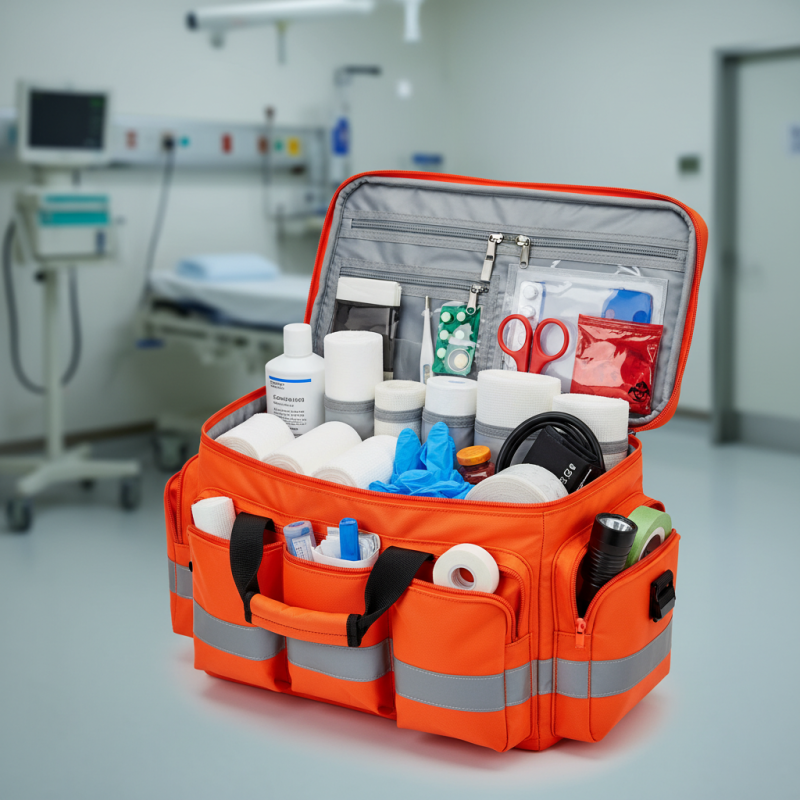
What to Include in a Professional Emergency Medical Bag?

Essential Medical Supplies for Emergency Response

When assembling a professional emergency medical bag, focus on essential medical supplies for effective response. Start with basic first-aid items. Include adhesive bandages, sterile gauze, and antiseptic wipes. These supplies treat minor wounds and prevent infections.

Consider portable diagnostic tools too. A digital thermometer allows quick assessment of fever. Blood pressure cuffs and stethoscopes help monitor vital signs. While these may require training, having them in your bag is valuable.

Don’t overlook medications. Include antihistamines for allergic reactions. Basic pain relievers and an emergency epinephrine auto-injector are crucial. Always check expiration dates. Reflect on your skills and knowledge. Consider taking refresher courses on first aid. Investing in training increases your bag’s effectiveness.

Essential Medical Supplies for Emergency Response

Personal Protective Equipment for Safety and Hygiene

Personal Protective Equipment (PPE) is crucial in a professional emergency medical bag. It ensures safety and hygiene for both responders and patients. The World Health Organization (WHO) highlights that effective use of PPE can reduce infection risks. In healthcare settings, contamination spreads swiftly; thus, proper protective gear is essential.

Include gloves, masks, and face shields. Gloves prevent direct contact with bodily fluids. Masks filter out airborne pathogens. Face shields offer an extra layer of protection. According to the Centers for Disease Control and Prevention (CDC), correct PPE use decreases exposure by over 50%. These numbers underline the importance of being well-equipped.

Tips: Always check PPE for damage before use. If gear is compromised, replace it immediately. Also, practice putting on and removing PPE to ensure quick and safe handling during emergencies. Remember, proficiency with protective equipment is as vital as having it on hand. Regular training sessions should be part of your preparedness plan.

Medications and First Aid Essentials

When assembling a professional emergency medical bag, medications and first aid essentials are critical. It’s vital to include over-the-counter pain relievers such as ibuprofen or acetaminophen. These medications help manage pain and reduce fever effectively. Antihistamines for allergic reactions are also essential. They can provide quick relief from symptoms like itching or swelling.

Moreover, a well-stocked first aid kit is indispensable. Bandages and sterile gauze are fundamental for treating wounds. Adhesive tape should be included for securing dressings. It’s easy to overlook the importance of antiseptic wipes. They ensure that wounds stay clean and reduce infection risk. Disposable gloves should always be at hand. They protect both the provider and the patient during care.

However, it's important to regularly check the bag’s contents. Medications can expire. Bandages can lose their adhesive quality over time. If a critical item is missing during an emergency, the consequences can be severe. Ensure you have a reliable source of information to guide you in choosing the right contents for your specific needs. The act of preparing necessitates both knowledge and experience.

Tools for Assessment and Monitoring

When assembling a professional emergency medical bag, including tools for assessment and monitoring is crucial. Start with a stethoscope. This device helps evaluate heartbeats and lung sounds effectively. A reliable blood pressure cuff can accurately measure vital signs, providing essential data during emergencies.

Next, a thermometer is important for assessing a patient's condition. Whether digital or infrared, it quickly shows temperature changes. A pulse oximeter is also vital. It measures oxygen saturation levels, indicating respiratory function. These tools help create a clear picture of the patient's health status.

Consider the need for a glucometer as well. Checking blood sugar levels can be life-saving in diabetic emergencies. Having a durable flashlight is essential too. It assists during examinations in low-light situations. Remember, practice using these tools regularly. Familiarity leads to better responses under pressure. Reflect on your techniques often. Aim for continuous improvement to enhance emergency care effectiveness.

Bag Organization and Accessibility Tips

When organizing a professional emergency medical bag, accessibility is key. Studies suggest that quick access to essential items can significantly reduce response time during emergencies. A well-structured bag not only improves efficiency but can also save lives.

To enhance organization, consider color coding supplies. Use red for immediate care items, like bandages, and blue for tools, such as scissors. This method allows for rapid identification under pressure. According to a report from the National Association of Emergency Medical Technicians, nearly 70% of professionals believe that organization minimizes the chaos in emergency situations. Another effective tip is to pack items in clear, labeled pouches. This approach ensures that each category of supplies is easily visible and retrievable in critical moments.

Accessibility is also about placement. The most-used items should be positioned at the top of your bag. For example, gloves and masks should be readily reachable, as they are vital for infection control. Folding your medical reference materials and keeping them at the front can offer quick guidance during a crisis. While every bag may not be perfect, reflecting on its structure and contents regularly can lead to significant improvements.

FAQS

: What basic supplies should be in an emergency medical bag?

: Include adhesive bandages, sterile gauze, and antiseptic wipes. These treat minor wounds and prevent infections.

Why are diagnostic tools important in emergency medical bags?

They allow for quick assessment of vital signs and conditions like fever. This aids in timely treatment decisions.

What medications are essential to include in the bag?

Antihistamines, pain relievers, and an emergency epinephrine auto-injector are crucial. Don’t forget to check expiration dates.

How does personal protective equipment (PPE) help during emergencies?

PPE ensures safety and hygiene for responders. It reduces infection risks significantly in emergency situations.

What items should be included as PPE?

Gloves, masks, and face shields are essential. These prevent direct contact and filter airborne pathogens effectively.

How can I ensure PPE is used correctly?

Always check for damage before use. Practice putting on and removing it quickly during training sessions.

Why is regular practice with medical tools important?

Familiarity with tools like stethoscopes and thermometers improves effectiveness under pressure during emergencies.

What additional tools might be vital in the bag?

A pulse oximeter and a glucometer are important for assessing respiratory function and blood sugar levels.

How can I improve my emergency response skills?

Reflect on your techniques regularly. Consider taking refresher courses to enhance your knowledge and confidence.

Can the effectiveness of an emergency medical bag be improved?

Yes, investing in training and assessing your preparedness can greatly enhance your emergency response capabilities.

Conclusion

When considering what should be included in a professional emergency medical bag, it is essential to cover several key categories to ensure effective emergency response. First, essential medical supplies such as bandages, gauze, and antiseptics are crucial for treating injuries. Additionally, personal protective equipment (PPE) is necessary to maintain safety and hygiene for both the responder and the patient.

Furthermore, the bag should contain a selection of medications and first aid essentials tailored to common medical emergencies. Tools for assessment and monitoring, like stethoscopes and blood pressure cuffs, help in evaluating a patient’s condition effectively. Finally, organization and accessibility tips for packing the bag can greatly enhance the efficiency of emergency responses, ensuring that vital supplies are readily available when needed.

Isabella

Isabella

Isabella is a dedicated marketing professional with a sharp focus on driving brand growth and engagement through strategic content creation. With an extensive background in digital marketing, she combines her passion for storytelling with her keen understanding of industry trends to deliver......