BRJ Medical
What should be included in a professional emergency medical bag? The answer depends on the environment, team, patient risks, and expected response time. A roadside rescue kit differs from a clinic transfer bag. A remote expedition requires different supplies again. Still, every professional bag should support rapid assessment, basic life support, bleeding control, wound care, infection prevention, and clear communication.
Emergency medicine expert Dr. Paul Auerbach has emphasized, “Preparation is the key to effective first aid.” That principle shapes this guide. A dependable bag may include examination gloves, trauma shears, sterile dressings, pressure bandages, tourniquets, adhesive tape, antiseptic wipes, CPR barriers, thermal blankets, and a reliable flashlight. It should also contain basic diagnostic tools, such as a blood pressure cuff, pulse oximeter, thermometer, and stethoscope. Keep medications only when authorized protocols, training, and local regulations support their use.
Organization matters as much as equipment. Place bleeding-control supplies in an accessible outer compartment. Label smaller items clearly. Check batteries, seals, expiration dates, and sterility on a scheduled basis. Record every used item. Replace it promptly.
No bag replaces clinical judgment.
That limitation deserves attention. More equipment does not automatically create better care. Unfamiliar devices can delay treatment. A professional bag should match the user’s competence and operational setting. This article examines practical contents, storage methods, inspection routines, and common omissions. It also considers uncomfortable questions: Is the bag too heavy? Can one person carry it quickly? Would the team know where every item belongs under pressure?
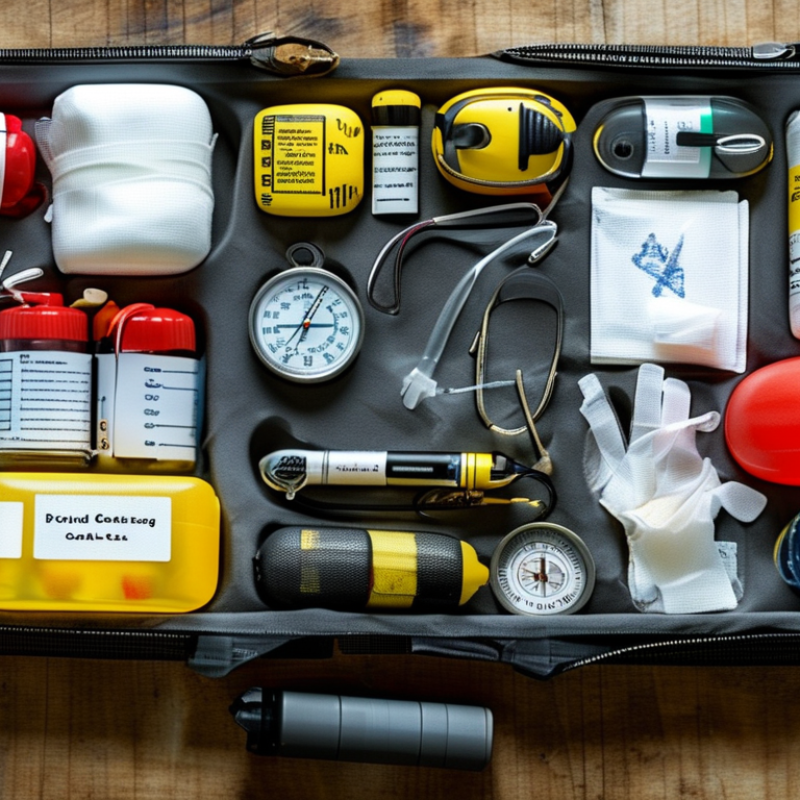
What Should Be Included in a Professional Emergency Medical Bag?
Purpose and Scope of a Professional Emergency Medical Bag
A professional emergency medical bag supports rapid assessment, stabilization, and safe transfer. It is not a mobile hospital. Its purpose is to bridge the first critical minutes until advanced care becomes available. The World Health Organization reports about 1.19 million annual road deaths worldwide, with 20–50 million nonfatal injuries. These figures show why immediate, organized care matters.
The bag should cover airway, breathing, circulation, bleeding control, basic wound care, vital-sign measurement, personal protection, and documentation. Essential contents may include gloves, protective eyewear, masks, dressings, pressure bandages, tourniquets approved by local protocols, shears, a stethoscope, a blood-pressure device, a pulse oximeter, and a thermometer. Add clear labels and sealed compartments. Finding one item should take seconds, not minutes. The American Heart Association’s 2020 resuscitation guidelines emphasize early recognition, high-quality CPR, and rapid defibrillation when indicated. Therefore, equipment selection must match the responder’s training and authorized scope.
Scope control is often overlooked. A bag can be overfilled, poorly checked, or packed with unfamiliar tools. That creates risk. Expiration dates, battery levels, package seals, and inventory records require routine review. Local emergency protocols should determine medication and device selection. No checklist is perfect. Field conditions change, and responders may discover gaps only after an incident. A short post-use review can reveal what was missing, inaccessible, or unnecessary. That honest feedback keeps the bag practical, reliable, and safer for patients and responders.
A professional emergency medical bag should begin with assessment, not treatment. In practice, I check the patient’s airway, breathing, circulation, disability, and exposure using an ABCDE approach recommended by the World Health Organization’s Basic Emergency Care course. A stethoscope, manual blood-pressure cuff, thermometer, pulse oximeter, penlight, watch, and glucometer support this process. Keep adult and pediatric cuff sizes available. A wrong cuff can distort blood-pressure readings.
Rapid measurement matters. The American Heart Association’s 2020 CPR and ECC Guidelines report that immediate CPR can double or triple survival chances after cardiac arrest. A pulse oximeter may reveal low oxygen levels, but motion, cold fingers, nail coverings, or poor circulation can create misleading numbers. Recheck abnormal findings manually when possible. Record the time, result, patient position, and response to care. Small details often guide the next decision.
A complete bag can still fail.
Tips: Check batteries, probe condition, calibration dates, test strips, and protective gloves before every shift. Store a backup penlight and a waterproof documentation pad. Practice taking a full set of vital signs under pressure. I still find rushed documentation easy to miss, especially during noisy responses. A second check helps. Follow local clinical protocols, and treat equipment readings as evidence, not absolute truth. Use the WHO Basic Emergency Care framework and current national resuscitation guidance for refresher training.
A professional emergency medical bag should support airway, breathing, and circulation without unnecessary clutter. For airway care, include disposable gloves, protective eyewear, a pocket face shield, and basic airway adjuncts. Oropharyngeal and nasopharyngeal airways require proper training and careful patient assessment. A compact suction device can clear secretions when manual wiping is unsafe. Keep a penlight nearby for a quick mouth and pupil check.
Breathing supplies should include a bag-valve mask with several mask sizes, spare filters, and a one-way valve. Oxygen equipment may be appropriate when trained personnel can use it safely under local protocols. Check tubing, connectors, cylinder pressure, and battery levels before every deployment. Small details matter. A missing seal can delay care.
For circulation, pack sterile gauze, pressure dressings, elastic bandages, adhesive tape, and a commercial tourniquet approved by local medical guidance. Add trauma shears, a marker, thermal blankets, and a timing device. Field drills often expose poor organization: supplies buried beneath paperwork, expired dressings, or unclear storage. That is a planning failure. Label each compartment and record inspection dates. I would also leave room for personal protective equipment and patient documentation. The bag cannot replace assessment, training, or emergency services. Its contents should match the user’s certification, environment, and response plan, because a well-stocked bag can still be used poorly.
What Should Be Included in a Professional Emergency Medical Bag?
A professional emergency medical bag starts with controlled access, not volume. Medications should match written protocols, responder training, and patient age ranges. Include clearly labeled oral pain relief, antihistamine, glucose gel, and rehydration solution when permitted. Prescription medicines require authorized clinical oversight. Keep dosing tools, allergy warnings, and expiry checks together. The World Health Organization’s 2022 Global Report on Infection Prevention and Control states that effective infection prevention measures can reduce healthcare-associated infections by up to 70%. That figure makes storage discipline a clinical issue, not an administrative detail.
Wound care should support bleeding control and clean handling. Pack sterile gauze, absorbent dressings, adhesive tape, triangular bandages, saline, and trauma shears. Add a disposable measuring guide for wound size. Pressure dressings need practice. Poorly applied pressure can fail when movement begins. The kit should also contain burn dressings and cold packs, but avoid placing ice directly on skin. Replace wet, opened, or crushed supplies immediately. They may look usable. They may not be.
Infection control items deserve equal space. Include nitrile gloves in several sizes, medical masks, eye protection, alcohol-based hand sanitizer containing at least 60% alcohol, disinfectant wipes, aprons, and sealable waste bags. The Centers for Disease Control and Prevention recommends sanitizer with at least 60% alcohol when soap and water are unavailable. A puncture-resistant sharps container is essential where needles may be encountered, subject to local disposal rules. Label everything. Check monthly. A forgotten expiry date is a preventable mistake. No bag compensates for weak training, and that remains an uncomfortable truth.
A professional emergency medical bag should be organized for speed, clarity, and safe handling. I keep wound-care supplies together, airway equipment in a separate section, and protective equipment near the opening. Clear labels help during stress. Labels fade. I check them regularly.
Every item needs a safety check before the bag returns to service. I inspect packaging for tears, moisture, or broken seals. I confirm expiry dates and review medication storage requirements. Sharp instruments must remain protected and separated from soft supplies. I also check flashlight batteries, scissors, gloves, and communication tools. A simple inventory sheet records quantities, inspection dates, and missing items. Local clinical protocols should guide the contents, especially for medications and advanced equipment.
Restocking should happen immediately after use, not at the end of a busy week. I replace opened packages, clean reusable equipment, and document anything unusual. My early checklist was too optimistic; it assumed every item was easy to find. A practical review exposed delays caused by crowded pockets and duplicate supplies. Now, each compartment has one clear purpose, and frequently used items stay within reach. Another trained person reviews the bag when possible. A second set of eyes catches mistakes I may overlook. Short drills can reveal awkward layouts before a real emergency does.
Include a stethoscope, manual blood-pressure cuff, thermometer, pulse oximeter, penlight, watch, glucometer, gloves, and documentation supplies.
Adult and pediatric cuffs improve accuracy. A wrong cuff can produce misleading readings.
Recheck manually when possible. Cold fingers, movement, nail coverings, and poor circulation can distort results.
Record the time, result, patient position, and response to care. Small details matter.
Keep wound supplies together, airway equipment separately, and protective equipment near the opening. Clear labels help.
Inspect seals, packaging, expiry dates, batteries, gloves, scissors, and communication tools. Check everything.
Restock immediately after use. Replace opened packages, clean reusable equipment, and document unusual findings.
Give each compartment one purpose. Keep frequently used items within reach and remove unnecessary duplicates.
A second review can catch missing supplies, expired items, and awkward layouts that I might overlook.
Short drills reveal delays before real emergencies. Practice taking full vital signs under pressure, too.
A professional emergency medical bag should support rapid, organized care during urgent situations, from initial assessment through stabilization and transfer. What should be included in a professional emergency medical bag? It should contain essential assessment tools such as a stethoscope, blood pressure monitor, thermometer, pulse oximeter, penlight, and timing device. These tools help responders quickly evaluate vital signs and recognize changes in a patient’s condition.
The bag should also include supplies for airway, breathing, and circulation support, along with basic medications used according to professional training and local protocols. Wound care materials, dressings, gloves, masks, antiseptic items, and sharps-safe disposal supplies help control bleeding and reduce infection risks. Clear organization is equally important: items should be labeled, easy to access, and checked regularly for damage, expiration dates, cleanliness, and proper quantities. Routine restocking and safety inspections ensure the bag remains reliable and ready for use.
