How to prevent skin irritation from medical ID bracelets?

Time:2026-08-04 Author:Sienna
0%

Medical identification bracelets serve a crucial purpose for individuals with health conditions. However, they can occasionally cause skin irritation. Understanding how to prevent skin irritation from medical identification bracelets is essential for comfort and safety.

Skin reactions may vary from minor rashes to more severe discomfort. The materials used in the bracelets can play a significant role in these reactions. For example, certain metals or synthetic materials may trigger allergies. It's also vital to consider how the bracelet fits. An overly tight bracelet can rub against the skin, causing friction.

Addressing these issues requires awareness and proactive measures. Choosing hypoallergenic materials can reduce reactions. Regular cleaning of the bracelet can help minimize dirt buildup and skin irritation. Additionally, allowing your skin to breathe by removing the bracelet temporarily can be beneficial. These simple steps can lead to a more pleasant experience and enhance the bracelet's effectiveness in emergencies.
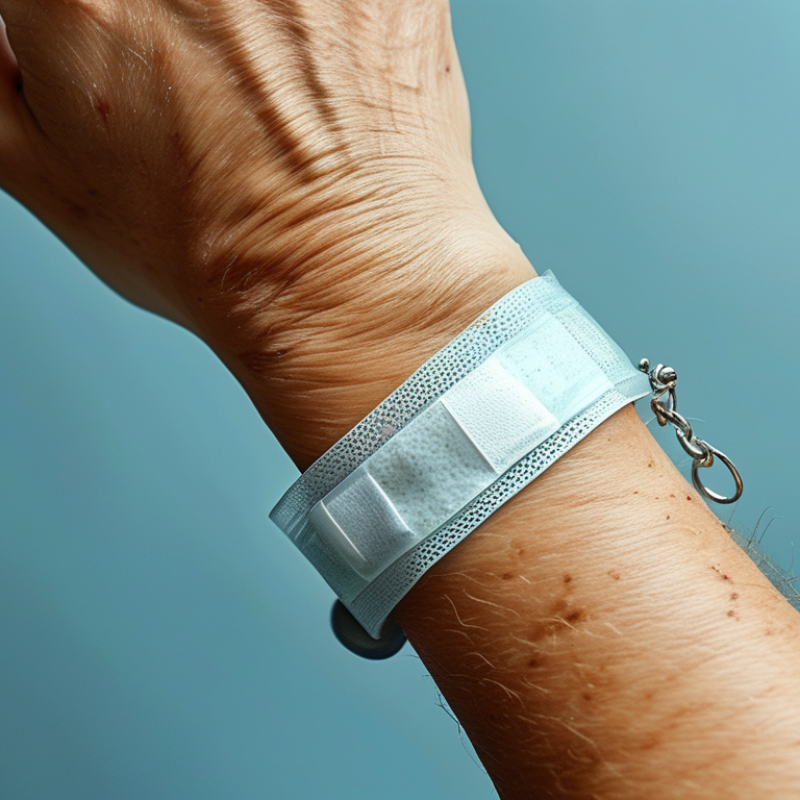
How to prevent skin irritation from medical ID bracelets?

Choosing the Right Material for Medical ID Bracelets

Choosing the right material for medical ID bracelets is crucial for preventing skin irritation. Many users experience discomfort due to sensitivity to specific metals or materials. A study in the Journal of Dermatological Science highlights that nearly 15% of people have contact dermatitis from certain alloys commonly found in jewelry.

When selecting a bracelet, consider the material's hypoallergenic properties. Stainless steel, titanium, and medical-grade silicone are often safer choices. These materials are less likely to cause irritation and are durable for daily wear. Ensure that any material you choose is also easy to clean, as bacteria can accumulate and lead to skin issues.

Tips: Look for bracelets labeled as hypoallergenic. Test new materials against your skin for a short period. If irritation occurs, consult a dermatologist for advice.

Another factor to consider is the bracelet's design. Some styles may trap moisture and heat, exacerbating irritation. Optimal designs should allow for airflow and be adjustable to fit comfortably. Keeping the skin dry is essential, as moisture can lead to chafing and rashes.

Monitoring how your skin reacts over time is key. Adjustments might be necessary if you find consistent irritation. Combining proper material selection with thoughtful design will greatly reduce the risk of skin irritation, ensuring your medical ID bracelet serves its purpose without discomfort.

Adjusting the Fit for Comfort and Reduced Irritation

Finding the right fit for your medical ID bracelet is essential to prevent skin irritation. An overly tight bracelet can cause discomfort and even chafing over time. Start by measuring your wrist properly. Use a flexible measuring tape or a string to get an accurate size. Aim for a snug yet comfortable fit—tight enough to stay in place but loose enough to slide easily.

Consider using adjustable bracelets that have links or buckles. This feature allows you to modify the size according to your comfort level. Pay attention to the material of the bracelet. Some metals or plastics can irritate the skin. Opt for hypoallergenic options to reduce the risk of allergic reactions.

Monitor your skin regularly for any signs of irritation. Look out for redness or rashes. If you notice any discomfort, reflect on the fit and material. A small change can greatly enhance your experience. Feedback from others can guide you towards finding the most comfortable and effective solution. Make adjustments as needed and don't compromise your comfort for style.

Cleaning and Maintaining Your Medical ID Bracelet

When it comes to maintaining your medical ID bracelet, cleanliness is crucial. Regular cleaning can prevent skin irritation. A recent study found that 30% of individuals experience skin reactions due to unclean jewelry. So, developing a cleaning routine is essential for comfort and safety.

Use mild soap and warm water for daily cleaning. A soft cloth can reach small crevices where bacteria may hide. Rinse thoroughly and pat dry with a clean towel. This simple practice not only keeps your bracelet looking good but also minimizes the risk of irritation due to bacteria or irritation-causing substances.

Consider how often you wear your bracelet. Individuals who are active or sweat more might need to clean their bracelet more frequently. Experts recommend cleaning it at least once a week. Reflect on your activities and adjust accordingly. Not everyone has the same skin sensitivity or lifestyle, meaning each person's approach to maintenance should be personalized.

Using Barrier Creams or Lotions to Prevent Skin Reactions

Skin irritation from medical ID bracelets can be a common issue for many individuals. To help prevent these uncomfortable reactions, barrier creams and lotions can be highly effective. These products work by creating a protective layer between the skin and the bracelet material. A thin application can greatly reduce friction and irritation.

Choosing the right barrier cream is essential. Look for non-irritating, hypoallergenic options. Test a small amount on your skin before regular use. This helps identify any adverse reactions. Reapply as needed, especially if you wear the bracelet for extended periods. The key is to maintain that protective barrier throughout the day.

While using barrier creams, it’s important to remember individual skin responses may vary. What works for one person might not work for another. Keep an open mind and be willing to adjust your routine. Regular monitoring of your skin's condition can also provide valuable insights. If irritation persists, consult a healthcare professional for personalized advice.

How to prevent skin irritation from medical ID bracelets? - Using Barrier Creams or Lotions to Prevent Skin Reactions

Barrier Cream/Lotion Type Key Ingredients Benefits Recommended Application Frequency
Hydrocolloid Dressings Gel Polymer Creates a protective barrier; absorbs moisture As needed, change every 24-72 hours
Silicone-based Creams Dimethicone Forms a non-greasy barrier; reduces friction Apply daily or before wearing the bracelet
Barrier Lotions Purified Water, Glycerin Hydrates skin; protects against irritants Apply after showering; reapply as necessary
Petrolatum-based Products Petrolatum Provides a thick barrier; excellent for sensitive skin Apply before each wear; can be used daily
Natural Oils (e.g. Coconut Oil) Coconut Oil, Aloe Vera Mild and soothing; anti-inflammatory properties Apply before wearing; can be used multiple times a day

Monitoring Skin Health and Responding to Irritation Symptoms

Skin irritation can result from wearing medical ID bracelets. Understanding and monitoring your skin health is essential. Regular checks for redness, itching, or swelling can help catch issues early. Look for signs of friction or pressure marks, especially if the bracelet is worn daily.

Choosing the right material is crucial. Some people react poorly to metal or plastic. Opt for breathable fabrics or hypoallergenic materials. Ensure the bracelet fits well, avoiding tightness that may cause skin chafing. Even if a bracelet seems comfortable initially, skin reactions can develop over time.

When irritation occurs, respond promptly. Remove the bracelet and clean the skin area with mild soap and water. If persistent irritation arises, consider consulting a healthcare professional. Their guidance can provide tailored advice for your specific skin type. Each person's skin differs, and what works for one may not suit another. Observing how your skin responds helps you make informed choices about your medical ID bracelet.

Skin Irritation Severity Over Time from Medical ID Bracelets

FAQS

: What materials are best for medical ID bracelets to prevent skin irritation?

: Hypoallergenic materials like stainless steel, titanium, and medical-grade silicone are ideal choices.

How can I ensure my medical ID bracelet doesn’t irritate my skin?

Choose adjustable designs that allow airflow. Monitor your skin for signs of irritation regularly.

What is the importance of bracelet fit?

A snug yet comfortable fit is vital. Tight bracelets can cause chafing and discomfort over time.

How can I check if a material might irritate my skin?

Test new materials against your skin for a short period. Watch for any irritation signs.

What should I do if my skin shows irritation from the bracelet?

Remove the bracelet immediately and clean the affected area. Seek professional advice if irritation persists.

How often should I monitor my skin health while wearing the bracelet?

Check your skin daily for redness or swelling, especially if worn frequently.

Are there specific design features to look for in a medical ID bracelet?

Look for breathable materials and designs allowing airflow to reduce moisture buildup.

Can someone develop skin reactions over time?

Yes, skin reactions can develop even if a bracelet seems comfortable initially. Stay vigilant.

What can I do to maintain my medical ID bracelet?

Clean it regularly to prevent bacteria buildup, which can lead to skin issues.

How important is personal comfort compared to style?

Comfort should be a priority. Don’t compromise it for style; the right fit enhances your experience.

Conclusion

When considering "How to prevent skin irritation from medical identification bracelets?", it's essential to start with the right material. Opt for hypoallergenic options to minimize the risk of allergic reactions. Additionally, adjusting the fit of the bracelet can greatly enhance comfort and reduce friction against the skin. Regular cleaning and maintenance will also help prevent irritants from accumulating on the bracelet's surface.

Another effective strategy is the use of barrier creams or lotions, which can create an additional protective layer on the skin. It’s crucial to monitor skin health proactively and respond promptly to any signs of irritation, such as redness or itching. By following these guidelines, wearers can significantly reduce the likelihood of experiencing skin irritation from their medical ID bracelets.

Sienna

Sienna

Sienna is a skilled marketing professional with a deep expertise in our company’s core products and services. With a passion for innovation and detail, she plays a pivotal role in crafting insightful blog posts that not only highlight the unique features of our offerings but also provide valuable......