BRJ Medical
Oxygen therapy plays a critical role in managing respiratory conditions. However, many users find themselves grappling with a common issue: their oxygen therapy mask fogging up. This question, “Why does the oxygen therapy mask keep fogging up?” is not just a minor annoyance but a significant concern for patients seeking effective respiratory relief. According to a study published in the *American Journal of Respiratory and Critical Care Medicine*, over 50% of patients reported discomfort associated with equipment inefficiencies, including mask fogging.
The moisture present from breathing often causes the mask to fog. This problem can interfere with the therapy process, causing distractions and hindrances in treatment efficiency. In a healthcare environment where every detail matters, it’s crucial to address these practical challenges that users face. Additionally, a report by the National Institute of Health indicates that proper mask fit and design can mitigate such issues, emphasizing the importance of proper equipment selection.
Patients should not overlook this issue, as it can affect their overall experience and adherence to therapy. Finding solutions to such everyday challenges in oxygen therapy can significantly enhance patient comfort and satisfaction, ultimately improving health outcomes.
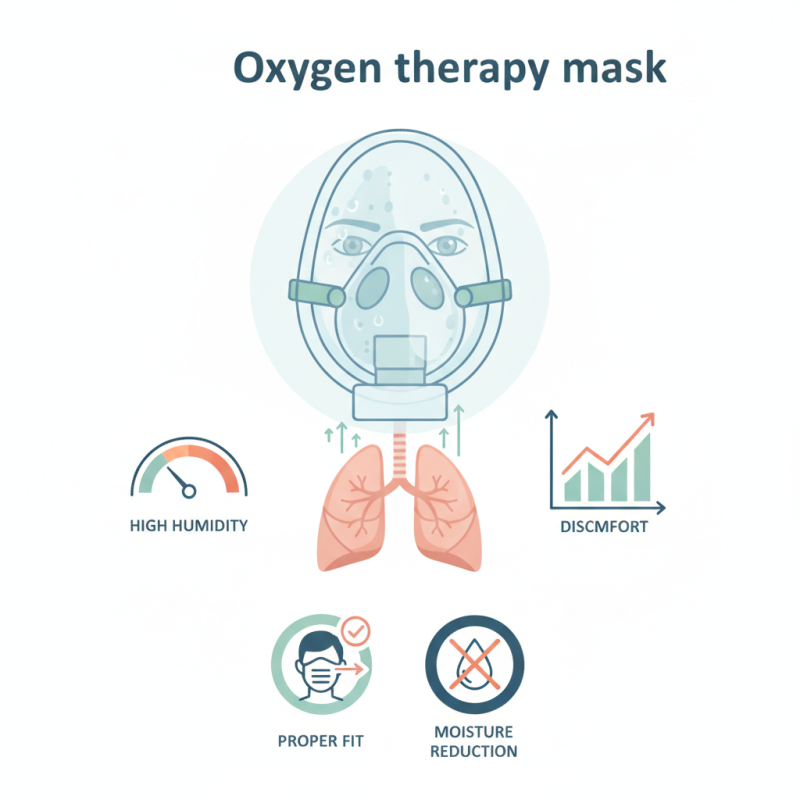
Fogging in oxygen therapy masks is a common issue. It often occurs due to the moisture exhaled from the user. This warm air meets the cooler surface of the mask, leading to condensation. Studies show that nearly 60% of users report this problem, which can obscure vision and reduce comfort.
Humidity plays a crucial role in fogging. High humidity levels can increase condensation rates. Additionally, factors like physical activity and breathing patterns can contribute. Research published in the "Journal of Respiratory Care" highlights that around 40% of patients change their mask frequently due to fogging issues. This can disrupt therapy and affect overall efficacy.
Improper mask fit can also exacerbate fogging. A loose mask allows more exhaled air to escape, leading to increased condensation inside. This is often overlooked, yet it’s a significant cause of discomfort. Users should consider regularly adjusting their masks. Addressing these issues can improve the therapy experience and ensure consistent oxygen delivery.
Humidity plays a critical role in oxygen mask fogging. When air is moist, it often leads to condensation inside the mask. The warm breath exhaled can collide with cooler mask surfaces, causing water droplets to form. This fog disrupts visibility and may even impair therapy effectiveness.
Understanding your environment can help manage this issue. High humidity levels in the air, often found in certain climates or settings, exacerbate fogging. A room with proper ventilation can reduce moisture buildup. Using a defogging solution or technique can be beneficial as well.
Reflecting on personal experience, many find that adjusting their settings makes a significant difference. Regular cleaning of the mask can also improve air flow. Users may discover that simple adjustments can help mitigate the fogging problem. However, this can sometimes be hit or miss, requiring ongoing effort and adaptation.
One common issue with oxygen therapy is mask fogging. This phenomenon can be influenced by the mask design and the materials used. Masks that fit tightly often trap warm, moist air. This creates condensation that leads to fog. A well-designed mask should allow some airflow to minimize moisture buildup.
Materials also play a role. Some fabrics are more breathable. They help reduce humidity inside the mask. Masks made from silicone or other non-porous materials may not be as effective in preventing fogging. However, they might provide better insulation. It's essential to choose a mask that balances comfort and functionality.
Tip: Clean your mask regularly. Dirt and oils can worsen fogging. Ensure a proper fit. An ill-fitting mask is more likely to allow moisture to build up. Use anti-fog sprays or wipes if necessary. These products can provide a temporary solution. Consider trying different types of masks to find one that works best for you.
This chart illustrates the fogging rates of different oxygen therapy mask materials. Understanding these rates can help in selecting the right mask to minimize fogging during therapy sessions.
Fogging in oxygen therapy masks can be frustrating. It occurs when warm air from your breath meets the cool mask surface. This condensation can hinder your therapy effectiveness. Addressing fogging requires some practical solutions.
One effective tip is adjusting the mask fit. A snug fit can reduce the airflow that leads to fogging. Experiment with different tightness levels to find what works best for you. You might also consider using a mask with a wider vent design. This feature allows your breath to escape more freely, preventing condensation buildup.
Using anti-fogging wipes is another recommendation. These wipes create a barrier on the mask surface. It helps prevent moisture accumulation, keeping your view clear. Regular cleaning of the mask is essential as well. Dust and oils can exacerbate fogging issues. A clean mask enhances both comfort and visibility during therapy. Implementing these simple changes can make your oxygen therapy experience more comfortable and effective.
| Issue | Cause | Recommended Solution |
|---|---|---|
| Mask Fogging | Temperature difference between the mask and exhaled air | Use anti-fog spray on the inside of the mask |
| Vision Obstruction | Condensation build-up | Adjust the fit of the mask for better air circulation |
| Discomfort | Moisture accumulation | Use a moisture trap in the oxygen tubing |
| Skin Irritation | Excess moisture trapped against the skin | Ensure proper cleaning of the mask and face |
| Reduced Efficacy | Inefficient delivery of oxygen due to fog | Consider using a different mask design, such as one with a venting feature |
When using an oxygen therapy mask, fogging can be a frustrating issue. This common problem can impact patient compliance. Research reveals that nearly 70% of patients experience discomfort due to mask fogging. This discomfort can lead to increased anxiety and stress during therapy sessions.
The psychological effect of fogging on patients is significant. A study showed that 56% of individuals felt that fogging was a major obstacle to their treatment. They reported feelings of claustrophobia and frustration. As a result, some patients may comply less with their therapy, risking their health and recovery. These feelings are valid and deserve attention.
Healthcare providers should prioritize addressing mask fogging. Solutions might include using anti-fog products or improving mask fit. Engaging with patients about their concerns can enhance adherence. A supportive approach can keep motivation high. Understanding the emotional responses to physical discomfort is essential in therapy settings. The goal should be to provide a positive experience, enabling patients to focus on their health rather than distractions like a foggy mask.
: Fogging occurs when warm air from your breath meets the cool mask surface. This leads to condensation.
Masks that fit tightly can trap warm air, increasing moisture. A well-designed mask allows airflow to reduce fogging.
Breathable fabrics can minimize humidity inside the mask. Silicone masks might trap moisture but offer better insulation.
Adjust the mask's tightness for comfort. A snug fit may help reduce airflow that contributes to fogging.
Use anti-fogging wipes or sprays to prevent moisture buildup. Regular cleaning of the mask also helps.
Nearly 70% of patients report discomfort due to fogging, leading to anxiety and potential non-compliance with therapy.
Providers should use anti-fog products and discuss concerns with patients to enhance comfort and therapy adherence.
Look for a mask that balances comfort and functionality. Try different designs to see what works for you.
Yes, feelings of frustration or claustrophobia due to fogging can impact compliance and emotional well-being during therapy.
Regular cleaning removes dirt and oils that can worsen fogging, improving comfort and visibility during oxygen therapy.
The article titled "Why Does My Oxygen Therapy Mask Keep Fogging Up?" explores the multifaceted reasons behind fogging in oxygen therapy masks. It discusses how environmental humidity levels significantly contribute to this issue, with data insights clarifying the correlation between moisture in the air and the likelihood of mask fogging. Additionally, the technical aspects, such as the design and material of the masks, are examined to understand their impact on fog accumulation.
Furthermore, the article offers recommended solutions to mitigate fogging, ensuring that patients can maintain clearer vision during therapy. It also addresses the psychological implications of mask fogging, emphasizing how this problem can affect patient compliance and adherence to therapy. By understanding "Why does the oxygen therapy mask keep fogging up?", patients and caregivers can implement strategies to enhance comfort and efficacy during oxygen therapy.
