BRJ Medical
Managing intravenous (IV) catheter sites effectively is crucial to prevent phlebitis, a common complication that can lead to significant patient discomfort and extended hospital stays. According to a 2022 report by the Infusion Nurses Society, phlebitis occurs in approximately 30% of patients with IV catheterization. This statistic highlights the need for proper techniques in catheter management. As noted by Dr. Emily Richmond, an expert in vascular access, “Preventing phlebitis requires diligence and a structured approach to IV site care.”
When considering "How to manage an IV catheter site to prevent phlebitis?", it is essential to understand risk factors such as catheter insertion technique and site care protocols. The risk greatly increases when protocols are not followed. Maintaining a clean, dry site and regularly evaluating the insertion area can mitigate risks. Furthermore, using the right type of catheter for the duration of therapy is vital.
Despite advancements, many facilities still struggle with consistent adherence to best practices. A reflective practice could help in identifying gaps in procedures and training. Continuous education on phlebitis prevention remains essential for healthcare providers, ensuring both patient safety and quality care.
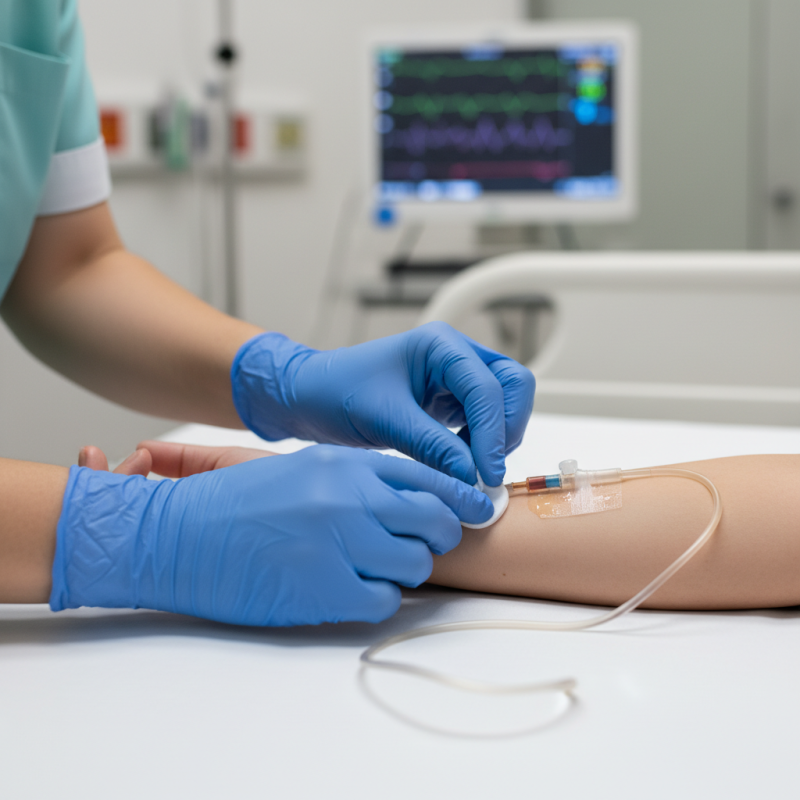
Phlebitis is a common complication associated with IV catheter use. Understanding its causes is crucial in prevention. It can arise from mechanical trauma or chemical irritation. Infection is another potential risk factor. Any patient with an IV catheter is at risk for developing phlebitis.
Proper site management can reduce these risks. Regularly assess the IV site for signs of inflammation, redness, or swelling. Keep the area clean and dry to minimize infection risks. Ensure proper insertion technique to avoid mechanical trauma. Infection control protocols are essential.
Tips: Always change IV sites according to hospital policy. This can help avoid prolonged exposure to potential irritants. Monitor patient discomfort closely. Early recognition will enable timely interventions. If phlebitis occurs, examine the site and consider catheter removal. Awareness of symptoms can significantly improve patient outcomes.
Proper management of IV catheter sites is critical to preventing phlebitis. Phlebitis occurs in 20% to 30% of patients receiving IV therapy, according to the Infusion Nurses Society guidelines. This condition can develop quickly, leading to complications that may require catheter removal or hospitalization. Implementing effective site management protocols can significantly reduce these risks.
Maintaining proper hygiene during catheter insertion is essential. Research indicates that using chlorhexidine for skin antisepsis reduces infection rates by up to 83%. Additionally, regular inspection of the catheter site for signs of redness, swelling, or tenderness is vital. Evidence suggests that visual checks should occur at least every four hours in hospitalized patients. Education of staff on recognizing the early signs of phlebitis is crucial. Many healthcare professionals may overlook subtle symptoms, leading to delayed interventions.
Documentation practices also play a key role. Inconsistent charting can hinder the tracking of potential complications. A study revealed that up to 70% of healthcare providers fail to document IV site assessments adequately. This oversight creates gaps in patient care. Continuous training and reminders for staff can improve adherence to protocols. Regular audits can help identify areas needing improvement. The emphasis on detailed management is essential to enhancing patient outcomes and reducing phlebitis rates.
Maintaining catheter site hygiene is crucial to prevent phlebitis. The insertion site can easily become a breeding ground for bacteria. Regular inspection of the site is essential. You should look for signs of redness, swelling, or warmth. These indications can signal an impending infection.
Tips for hygiene include washing your hands thoroughly before touching the catheter site. Use an alcohol-based hand sanitizer if soap and water are unavailable. Always wear gloves when changing dressings or handling the catheter. This reduces the risk of contaminating the site.
Another technique is to keep the catheter site dry. Moisture can promote bacterial growth. Change the dressing as per protocol, especially if it becomes wet or soiled. Consider using a transparent dressing to monitor the site without needing frequent changes. Being vigilant about the integrity of your catheter site will pay off in preventing phlebitis.
Phlebitis is a common complication of IV catheter use, impacting patient comfort and treatment efficacy. Early detection is crucial. Typical signs include redness at the site, warmth, and swelling. Patients may also experience pain or tenderness. According to a 2021 study published in the Journal of Infusion Nursing, phlebitis occurs in approximately 30% of patients with peripheral IV catheters.
Monitoring for signs of phlebitis should be a priority for healthcare professionals. Observe the insertion site regularly, looking for increased redness or induration. If a patient complains of sudden pain at the site, further evaluation is warranted. Data indicates that phlebitis can develop within 48 hours of catheter insertion, making vigilance essential.
Preventing phlebitis involves clear protocols and patient education. Regularly assess the catheter site and change dressings according to best practices. Studies show that utilizing stabilized IV catheters can reduce phlebitis rates by 50%. However, even with adherence to guidelines, occasional cases can still arise, reflecting the complex nature of individual patient responses.
Proper care of IV catheter sites is crucial to prevent phlebitis, a common complication that can lead to serious issues. Evidence suggests that around 30% of patients experience some form of IV-related complication. Maintaining strict sterility during the initial placement and daily care is vital. Regular assessments of the site can help catch early signs of inflammation.
When it comes to IV catheter removal, timing is essential. Research indicates that catheters should be replaced every 72 to 96 hours to reduce the risk of infection. However, healthcare professionals often overlook this guideline. Delayed removals have been linked to increased rates of thrombophlebitis. Staff education on best practices can foster adherence to these protocols.
Documenting observations is also important. A study found that only 45% of nurses consistently recorded catheter insertion and removal dates. Monitoring compliance with protocols can enhance patient safety. Open conversations about errors in practice can lead to improved protocols and better outcomes over time. Encouraging a culture of reflection within teams will contribute to ongoing learning and patient care improvements.
: Phlebitis is inflammation of a vein, often linked to IV catheter use.
It can arise from mechanical trauma, chemical irritation, or infection related to an IV catheter.
Any patient with an IV catheter is at risk for developing phlebitis.
Regular site assessments and proper insertion techniques can significantly reduce the risk.
IV sites should ideally be changed every 72 to 96 hours to minimize infection risks.
Many professionals overlook guidelines for timely catheter removal, potentially leading to complications.
Approximately 30% of patients face some form of IV-related complications.
Documenting insertion and removal dates is crucial, yet only 45% of nurses consistently do this.
Open discussions about errors can improve protocols and enhance overall patient outcomes.
Fostering a culture of reflection can encourage ongoing learning and improvements in patient care strategies.
Managing an IV catheter site effectively is crucial in preventing phlebitis, a condition characterized by inflammation of the vein. To answer the question, "How to manage an IV catheter site to prevent phlebitis?", one must first understand the various causes and risk factors associated with this complication. Proper management includes maintaining catheter site hygiene through regular cleaning and monitoring for any signs of infection or irritation.
In addition, healthcare providers should be vigilant in recognizing the signs and symptoms of phlebitis, such as redness, swelling, and tenderness at the insertion site. Adhering to best practices for IV catheter removal and care is also essential in minimizing the risk of complications. By understanding these principles and implementing effective techniques, healthcare professionals can significantly reduce the occurrence of phlebitis associated with IV catheter usage.
