BRJ Medical
Proper glucose management is essential for individuals with diabetes. A key tool in this process is the blood lancet pen. Accurate glucose monitoring can significantly reduce complications linked to the disease. According to the American Diabetes Association, around 34.2 million people in the U.S. have diabetes. Many face challenges in effectively testing their blood glucose levels. This raises the question, "How to use a blood lancet pen for glucose monitoring?"
A blood lancet pen provides a quick and less painful way to obtain blood samples. Studies show that proper technique can enhance accuracy and user comfort. However, many users make common mistakes that can lead to inconsistent results. In fact, research indicates that nearly 30% of individuals do not follow best practices for using these devices. Understanding the correct use of a blood lancet pen is crucial. Not only does it impact blood sampling efficiency, but it also affects overall health management.
Engaging with this tool requires some knowledge and practice. Each user must consider factors such as depth settings and skin type to optimize results. Reflecting on these elements can lead to better diabetes control. Ultimately, mastering the use of a blood lancet pen is an empowering step towards effective glucose monitoring.
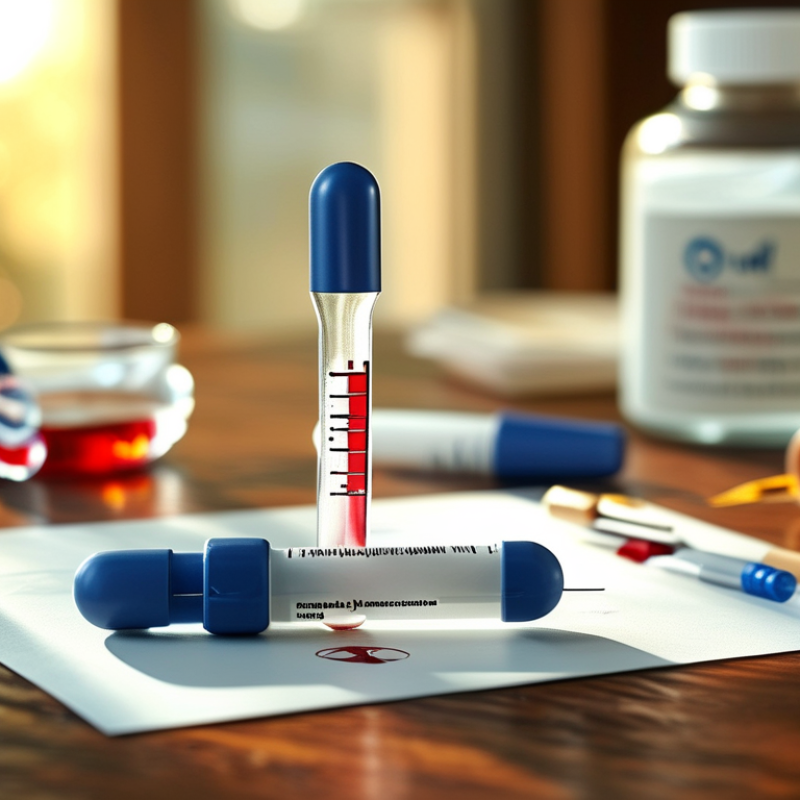
A blood lancet pen is a vital tool in glucose testing. Understanding its purpose and function can enhance its effectiveness. Primarily, it allows for quick blood sampling with minimal discomfort. This device uses a small, sterile needle to puncture the skin, which is essential for obtaining the required blood drop for glucose measurement.
Industry data shows that nearly 30 million Americans rely on daily glucose testing. A comfortable experience can encourage regular monitoring. Lancet pens generally feature adjustable depth settings, allowing users to select the appropriate penetration level. This customization is crucial for individuals with different skin types. Research indicates that proper depth can reduce pain, improving compliance with blood glucose monitoring routines.
Despite the advantages, users may still encounter issues. Incorrect settings may lead to ineffective sampling or discomfort. A report from the American Diabetes Association highlights that many patients do not utilize their lancet pens correctly. There is a need for education on best practices to enhance user experience. Understanding the nuances of this tool helps in making informed choices. Investing time in learning how to use the pen effectively can ultimately impact overall health outcomes positively.
This chart illustrates the average glucose levels measured over a week using a blood lancet pen for glucose testing. The data represents the daily average readings for better understanding of glucose management.
Choosing the right lancet for your blood lancet pen is crucial for effective glucose testing. Lancets come in various gauges, measuring the thickness of the needle. A lower gauge means a thicker needle, while a higher gauge indicates a finer one. Selecting the appropriate gauge impacts comfort during the testing process. For those with more sensitive skin, a higher gauge lancet may be beneficial.
It’s also important to consider the depth setting on your lancet pen. Many pens allow you to adjust how deep the needle penetrates the skin. Experimenting with this setting can help minimize discomfort. However, if the depth is too shallow, obtaining a sufficient blood sample might be difficult. This balance is key and may require some trial and error.
Additionally, hygiene plays a vital role in the effectiveness of glucose testing. Always ensure that lancets are sterile and single-use. Using a lancet more than once can lead to contamination and inaccurate results. Establishing a routine for changing and storing your lancets can prevent potential issues. Remember, finding the right lancet and technique may take time, and regular reflection on your process can lead to better results.
Using a blood lancet pen for glucose testing is a vital procedure for many individuals managing diabetes. To begin, ensure your hands are clean. Wash them thoroughly with soap and water. This step is crucial to prevent contamination. Once your hands are dry, prepare your lancet pen by loading it with a new lancet. Adjust the depth for a comfortable experience.
Position the lancet pen against the side of your fingertip. This area has fewer nerve endings, which helps to minimize pain. Press the button to release the lancet. A quick prick will draw a small blood sample. Remember, don’t be discouraged if you don't get enough blood on the first try. It takes practice to get it right.
Tips: Always use a new lancet each time to reduce the risk of infection. If your fingers feel sore, consider using a different site like the palm or forearm, if your device allows it. Tracking your glucose readings is essential; it helps you understand your body better. Keeping a log can reveal patterns that might need attention. Even experienced users may find it challenging sometimes, so patience is key.
| Step | Description | Tips |
|---|---|---|
| 1 | Prepare your blood lancet pen by inserting the lancet and setting the depth. | Ensure the lancet is fresh to avoid inaccurate readings. |
| 2 | Clean the testing site on your finger with an alcohol wipe. | Allow it to dry completely before puncturing the skin. |
| 3 | Place the blood lancet pen against the side of your finger and activate the mechanism. | Use the side of the finger for less pain. |
| 4 | Gently squeeze the finger to obtain a drop of blood. | Avoid excessive squeezing as it can dilute the blood sample. |
| 5 | Apply the blood sample to the test strip inserted in your glucose meter. | Follow the meter's instructions for the best results. |
| 6 | Read the glucose level from the meter display. | Document your results for future reference. |
| 7 | Dispose of the used lancet properly to maintain safety. | Use a sharps container for safe disposal. |
A blood lancet pen is an essential tool for diabetes management. Using it correctly makes glucose testing easier and more accurate. Follow the right techniques for effective testing to ensure reliable results.
Before using the lancet pen, wash your hands thoroughly. Clean hands help prevent infection and contamination of the blood sample. Ensure the lancing device is set to the correct depth. Too shallow may not draw enough blood, while too deep can cause unnecessary pain. Choose a less sensitive area, like the side of your fingertip. This can make the process more comfortable.
Tips: Practice with the depth setting before testing. Adjust according to your skin type. Don’t be afraid to try a different finger if one is too sore. Rotate fingers regularly to avoid calluses.
After obtaining the sample, apply pressure to stop any bleeding. Use a clean tissue to gently press on the site. Avoid squeezing the area, as this might affect the reading. Once you're finished, dispose of the lancet safely. This ensures safety and hygiene for future tests.
Tips: Keep a log of your testing experiences. Reflect on which techniques work best for you. It’s normal to adjust methods as you learn what feels right.
Aftercare and safe disposal of lancets and test strips are crucial aspects of glucose testing. Research indicates that improper disposal rates for medical sharps can reach up to 33%. This raises concerns about safety and hygiene for both users and the public. It is essential to understand how to handle and dispose of these items correctly to reduce potential risks.
When using a blood lancet pen, always dispose of used lancets in a designated sharps container. These containers are often puncture-resistant and clearly labeled. Test strips also need careful disposal. They can carry trace amounts of blood, making proper disposal important for hygiene. According to the Centers for Disease Control and Prevention (CDC), managing waste related to glucose testing is vital to prevent infections and disease transmission.
Many individuals overlook aftercare and mistakenly toss lancets and strips into regular trash. This can lead to accidental needle sticks or environmental contamination. It is advised to keep the sharps container out of reach of children and pets. Regularly check the container, as it may fill quickly. Aim to dispose of the container when it is three-quarters full, ensuring safe handling throughout the entire process.
: Wash your hands thoroughly with soap and water. Clean hands prevent contamination.
Use the side of your fingertip. This area has fewer nerve endings, reducing pain.
Don’t be discouraged. It takes practice to get a sufficient sample. Try again.
Always use a new lancet each time. This reduces the risk of infection.
Consider using a different site, like your palm or forearm, if your device allows.
Keep a log of your glucose readings. This helps understand patterns in your results.
Avoid squeezing the site to stop bleeding. It can affect the accuracy of the reading.
Follow correct techniques, adjust depth settings, and practice for more comfort and accuracy.
It’s normal to adjust your methods. Reflect on what techniques suit you best over time.
In understanding how to use a blood lancet pen for glucose monitoring, it is essential to first recognize its purpose and function. The blood lancet pen is a device designed to safely and effectively draw a small blood sample for testing glucose levels. Choosing the right lancet for your pen is crucial, as it can impact both comfort and accuracy.
The process involves a step-by-step guide, starting from setting the depth of the puncture, ensuring the area is clean, to correctly positioning the pen on the skin. Proper techniques are vital to minimize pain and ensure a sufficient blood sample. After testing, it is important to follow aftercare protocols and safely dispose of lancets and test strips to maintain hygiene and safety. Understanding these aspects empowers users to confidently manage their glucose testing routine.
