BRJ Medical
When heading outdoors, having a waterproof medical bag can be essential. Such bags protect supplies from moisture, ensuring they remain effective. Dr. Anna Feldman, an expert in outdoor medical preparedness, emphasizes, "A waterproof bag is not just a choice; it’s a necessity." This highlights the critical importance of selecting the right gear for your adventures.
Choosing the right medical bag involves understanding waterproofing standards. Many bags claim to be waterproof, but not all deliver. It's vital to check materials, zippers, and seams. Components that are poorly designed can lead to unexpected failures. As Dr. Feldman notes, "Even the smallest leak can compromise your supplies." This reality reinforces the need for thorough research.
How to ensure a medical bag is waterproof for outdoor use? Look for bags with a high IP rating or those made of durable waterproof fabrics. Additionally, consider user reviews and real-world testing. Remember, a waterproof bag is only effective if it’s maintained properly. Reflect on these factors to make a wise choice.
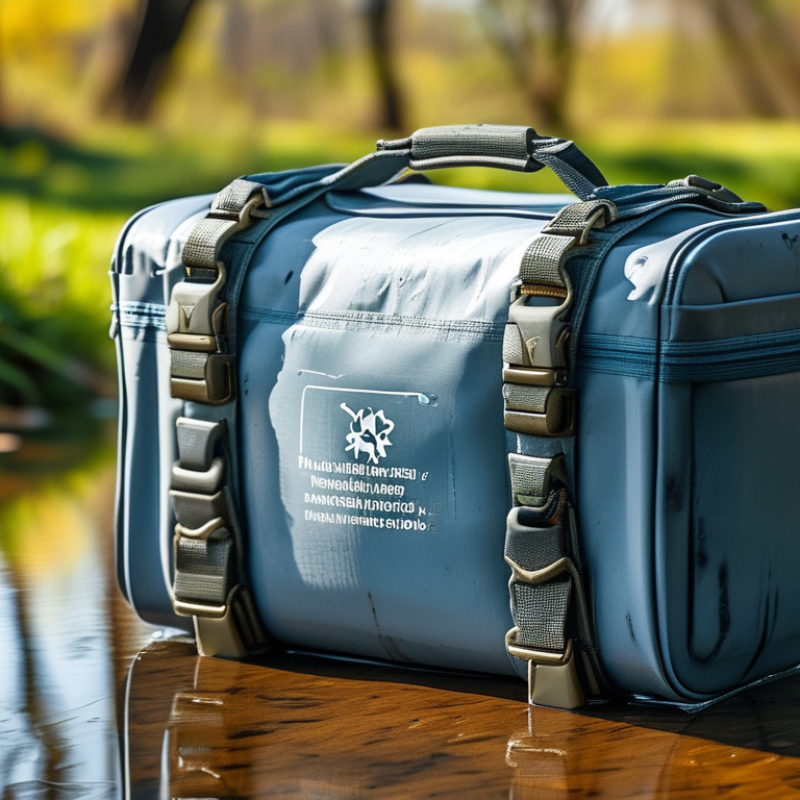
When venturing into the great outdoors, having a waterproof medical bag becomes crucial. Weather conditions can change rapidly, making it essential to protect medical supplies. A bag that can withstand rain or splashes helps ensure the integrity of the contents. It's not just about keeping items dry; it's about safety. Wet supplies can lead to infections or reduced effectiveness of medications.
Choosing the right waterproof bag involves understanding your needs. Look for features like sealed seams and water-resistant materials. Knowing the specifics of your outdoor activities can guide your choice. For instance, a bag for hiking may differ from one intended for kayaking.
It's easy to overlook the importance of durability. A fabric that repels water but tears easily won't serve well in rugged environments. Reflect on your past experiences. Did you face problems with wet supplies? Learning from those moments can lead to better choices. Review the design and functionality carefully. A bag that fails during a critical moment can turn a minor injury into a serious problem. Make informed decisions to ensure you are prepared for anything.
When selecting a waterproof medical bag for outdoor use, consider durability and materials. Look for bags made from heavy-duty nylon or tarpaulin. These materials provide an excellent barrier against water. They can withstand harsh conditions, making them ideal for outdoor adventures.
Next, examine the bag's design and organization. A well-organized interior helps you find supplies quickly. Look for multiple compartments and pockets. This enables you to store items like bandages, antiseptics, and tools separately. Some bags include external straps for additional gear. This versatility can enhance your preparedness during emergencies.
Ensure the bag features reliable waterproof zippers and sealed seams. These elements prevent moisture from seeping in. Test the bag's waterproofness if possible. Some users report issues with zippers after prolonged use. This detail necessitates periodic checks for wear and tear. Your choice should reflect both functionality and your unique needs in various outdoor situations.
When choosing a waterproof medical bag for outdoor adventures, focus on materials and construction. The material is crucial. Look for fabrics like nylon or tarpaulin. These materials offer excellent waterproof capabilities. Additionally, consider thickness and weight. Thicker materials often provide better durability. Lightweight options are great for portability, yet may lack robustness.
Seams and closures play a vital role. Heat-sealed seams are more waterproof than stitched ones. Zipper types matter too. Heavy-duty zippers resist water better. Also, test the closures for ease of use. A bag that’s hard to open can cost precious time during an emergency. Reflect on your experiences. Have you struggled with a less reliable bag during rain?
You might find that waterproof ratings vary. Aim for high ratings to ensure reliability. However, don’t just rely on numbers. Real-world testing is essential. Seek feedback from fellow outdoor enthusiasts. Their insights can guide you in making a reliable choice for your next trip.
This chart illustrates the key factors to consider when choosing a waterproof medical bag for outdoor use. Durability and water resistance are rated the highest, indicating their importance in selection, while weight and cost also play significant roles in the decision-making process.
When selecting a waterproof medical bag for outdoor activities, size and capacity are crucial factors. Consider how many supplies you need to carry. A small bag might suffice for personal use, like hiking or cycling. However, a larger bag is essential for group outings or emergencies. You should think about the number of people you will support.
Look at the typical items in a medical kit, such as bandages, medications, and tools. A bag with several compartments can help organize these supplies better. But remember, too many pockets might make access challenging during an emergency. Balance is key. It’s important to ensure that the bag isn’t too long or bulky.
The weight of your bag matters greatly. If it is heavy when fully loaded, carrying it through rugged terrain can become a struggle. You may need to make difficult choices about what to include. Reflecting on your potential scenarios can guide your decision-making process. Often, less is more. By prioritizing essential items, you can ensure that your medical bag remains functional and manageable in outdoor settings.
| Dimension | Description | Capacity (Liters) | Suitable For (Users) |
|---|---|---|---|
| Small | Compact design for minimal gear | 10-15 | Hikers, solo adventurers |
| Medium | Balanced size for various needs | 15-30 | Families, group outings |
| Large | Spacious enough for extensive equipment | 30-50 | Expeditions, teams |
| Extra Large | Designed for maximum storage of medical supplies | 50+ | Rescue teams, large groups |
Maintaining a waterproof medical bag is essential for outdoor adventures. Proper care ensures that your equipment remains functional and safe.
Here are some tips for maintenance. Always clean the bag after each use. Rinse it with fresh water, especially after exposure to saltwater or sand. This prevents corrosion and material breakdown. Make sure to dry the bag completely to avoid mold growth. Store it in a cool, dry place. Extreme heat can weaken the materials or cause deformities.
Regularly check zippers and seals; they are critical for waterproofing. Apply a silicone-based waterproof spray to enhance the bag's protective layer. It’s important to replace any worn parts immediately. Even small tears can lead to bigger problems. Reflect on your usage patterns to identify areas needing improvement in care practices.
: It protects medical supplies from rain or splashes, ensuring safety and effectiveness.
Focus on sealed seams, water-resistant materials, and specific designs for your activities.
Choose fabrics like nylon or tarpaulin and prefer thicker materials for better durability.
Heat-sealed seams offer better waterproofing. Heavy-duty zippers are essential as well.
It’s crucial. Reliable feedback from outdoor enthusiasts helps make informed choices.
Clean it after each use, dry it completely, and store it in a cool, dry place.
Regularly inspect zippers and seals, replacing worn parts promptly to maintain waterproofing.
Yes, extreme heat can weaken materials or cause deformities in the bag.
Small tears can grow into bigger problems, risking the safety of medical supplies.
Difficulty opening a bag during an emergency can waste precious time.
Selecting a waterproof medical bag for outdoor use is crucial for ensuring the safety and accessibility of medical supplies in various environments. Understanding the importance of these bags involves evaluating key features such as zippers, seams, and compartments that enhance waterproofing and functionality. Additionally, the choice of materials and construction plays a significant role in the bag's durability and effectiveness against moisture.
When considering size and capacity, it’s essential to strike a balance between portability and adequate storage for emergency essentials. Regular maintenance also prolongs the lifespan of waterproof medical bags, making it important to clean and inspect them frequently. Overall, knowing how to ensure a medical bag is waterproof for outdoor use requires careful consideration of construction, features, and proper maintenance practices.
