When caring for minor wounds, the choice between an adhesive bandage and a gauze pad can be confusing. "What is the difference between an adhesive bandage and a gauze pad?" is a common question. According to Dr. Emily Chen, a wound care specialist, “Understanding the materials and uses of these products can greatly affect healing.”
Adhesive bandages are self-adhesive and often contain a sterile pad. They are convenient for small cuts and abrasions. Their size and design make them easy to apply and remove. However, they might not be suitable for larger wounds that require more extensive coverage. Gauze pads, on the other hand, are versatile and can be used with adhesive tape for better support. They often come in various sizes and thicknesses, allowing for customized care.
Choosing the right product depends on the wound's type and severity. An adhesive bandage might seem easier. Yet, it might not always be the best option for deeper cuts. In contrast, gauze pads may require additional supplies. These nuances highlight why it’s crucial to assess the injury before making a choice. Both products serve unique purposes, and understanding their differences can enhance wound management.
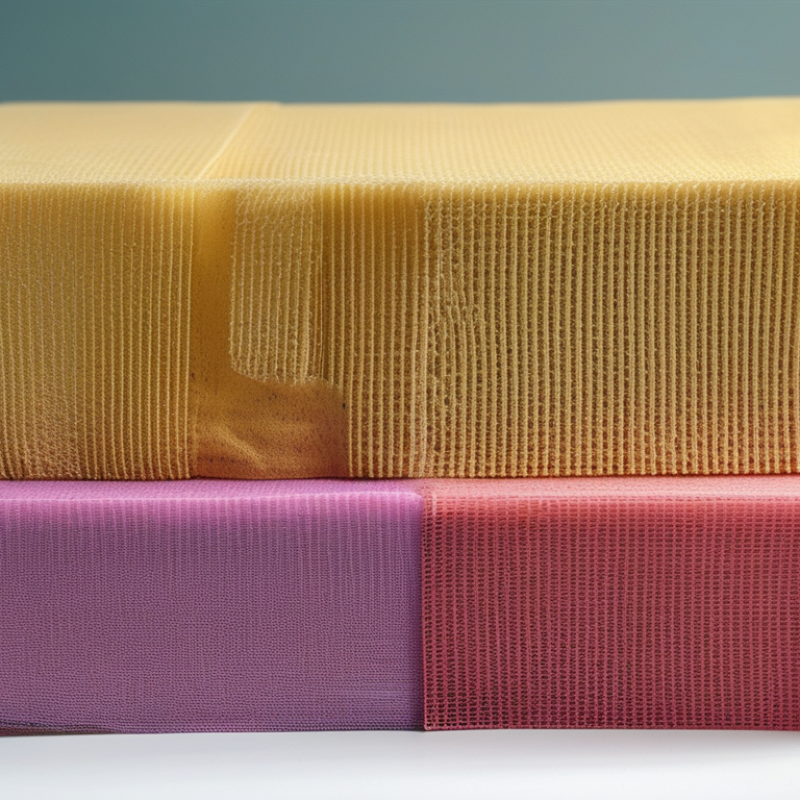
Understanding the Difference: Adhesive Bandages vs. Gauze Pads
When choosing between adhesive bandages and gauze pads, it’s essential to understand their key differences.
Adhesive bandages are convenient for small cuts and abrasions. They come with a sticky backing, allowing for easy application.
These bandages often contain a sterile pad that protects wounds from dirt and bacteria.
Gauze pads, on the other hand, provide more flexibility for various wound types. They can cover larger areas and are particularly useful for deeper or larger cuts.
Gauze pads require tape or other adhesive materials to secure them in place. They allow better air circulation, which can aid in the healing process.
However, securing them might feel cumbersome for some users.
Tips: For minor cuts, adhesive bandages are typically sufficient. Keep a variety of sizes handy for different injuries.
When using gauze pads, ensure the wound is clean before applying. They may require more frequent changing, so plan accordingly.
Always evaluate the severity of the wound to choose the best option, as improper selection can lead to infection or inadequate healing.
Factors to Consider When Choosing Wound Dressings
Choosing the right wound dressing can be confusing.
Adhesive bandages and gauze pads each have unique benefits. When selecting a dressing, consider the type and severity of the wound. For minor cuts and scrapes, adhesive bandages work well. They stay in place and protect the area from dirt. However, they may not provide enough absorption for deeper wounds.
Gauze pads are better for larger injuries. They can soak up more blood and exudate. They require a separate adhesive or tape to secure them. Always ensure the material is sterile. Infection risk is a significant concern. Inspect the wound regularly for signs of infection, such as redness or swelling. It can be frustrating to decide, but understanding your wound is crucial.
Look for visual indicators, too. A clean wound typically heals faster. If a dressing is not fitting properly, it can risk irritation. Sometimes, both options might be required depending on the situation. It's essential to have both on hand, as needs can change rapidly. A thoughtful approach will enhance healing and may reduce the chance of complications.
Advantages of Adhesive Bandages in Minor Cuts and Scrapes
Adhesive bandages are a popular choice for treating minor cuts and scrapes. They are convenient and easy to apply. These bandages primarily protect the wound from dirt and bacteria. By keeping the area clean, they promote faster healing. Many people find them user-friendly, especially when a quick fix is needed.
One key advantage of adhesive bandages is their self-adhesive nature. This means they stick directly to the skin. This can eliminate the need for additional tape or gauze, saving time. The breathable materials often used allow air to circulate, which can aid healing. However, some individuals may experience skin irritation. This can be an important factor to consider.
Additionally, adhesive bandages come in various shapes and sizes. This allows users to choose the best fit for their needs. For small cuts, they provide adequate coverage without overwhelming the wound site. Still, there are limitations. In cases of larger wounds, adhesive bandages might not offer sufficient protection. Gauze pads could be a better option here, as they can absorb more blood and fluids. Reflecting on these choices is crucial for effective wound care.
When to Use Gauze Pads Over Adhesive Bandages
When selecting between gauze pads and adhesive bandages, understanding their uses is crucial. Gauze pads are often preferred for larger wounds. They provide a breathable cover that absorbs fluids. This is important for deeper cuts or abrasions that may weep blood or other fluids. In contrast, adhesive bandages are convenient for minor cuts. They are easy to apply and protect small wounds from dirt and bacteria.
Gauze pads are better suited for serious injuries. They require tape to secure them in place, which can be tricky. If not applied correctly, they may slip or fall off. This needs careful attention. Additionally, gauze pads can create a barrier against infection. They allow for the air to circulate, which is essential for healing. In situations where a wound might be prone to infection, gauze pads offer a reliable option.
Adhesive bandages are useful in quick, everyday scenarios. They come in various sizes, suitable for small scrapes and cuts. However, they may not be ideal for all situations. For instance, if the wound is bleeding heavily, rely on gauze pads for better protection. Sometimes, people overlook the importance of matching the dressing type to the injury. This can lead to inadequate care. Identifying the right choice can make a significant difference in the healing process.
Clinical Recommendations for Optimal Wound Care Practices
When considering wound care options, both adhesive bandages and gauze pads have unique benefits and potential drawbacks. Clinical recommendations emphasize that the choice often depends on the type and severity of the wound. Adhesive bandages provide a waterproof barrier, ideal for minor cuts or scrapes. They significantly reduce the risk of infection, as noted in a study by the American Journal of Infection Control, which found a 30% decrease in infection rates when using appropriate wound dressings.
In contrast, gauze pads offer versatility. They excel in absorbing exudate, making them suitable for larger or deeper wounds. However, they require additional securing methods, like tape, which can be cumbersome. Research shows that using gauze may lead to higher patient discomfort due to changes in the dressing. It’s vital to assess the wound's specific needs before choosing between these options.
**Tips:** Always clean the wound with saline before applying any dressing. Monitor for signs of infection, such as increased pain or redness. Change dressings regularly to ensure optimal healing.
How to Choose Between Adhesive Bandage and Gauze Pad? - Clinical Recommendations for Optimal Wound Care Practices
| Feature |
Adhesive Bandage |
Gauze Pad |
| Primary Use |
Minor cuts and abrasions |
Larger wounds and dressings |
| Material |
Non-woven fabric with adhesive |
Cotton and/or synthetic fibers |
| Moisture Control |
Limited moisture absorption |
High moisture absorption |
| Ease of Application |
Quick and easy |
Requires taping or securing |
| Best for |
Small, clean wounds |
Larger, draining wounds |
| Cost |
Generally lower |
Generally higher |
FAQS
: Adhesive bandages are convenient for small cuts and abrasions. They protect wounds from dirt and bacteria.
Gauze pads are best for larger wounds. They absorb more fluid and allow better air circulation.
Gauze pads need tape or another adhesive to stay in place. This may be challenging for some users.
Choosing the correct dressing prevents infection and promotes healing. Improper selection can lead to complications.
Yes, sometimes both are required depending on the injury. It's wise to have both options available.
Always ensure the wound is clean before applying any dressing. This helps reduce the risk of infection.
If the dressing irritates the skin or doesn’t fit well, it’s crucial to reassess and possibly change it.
Gauze pads often require more frequent changes. Monitor the wound for signs of blood or fluid soaking through.
Look for redness, swelling, or increased pain around the wound. These can signify infection and need attention.
No, adhesive bandages may not absorb enough for deeper injuries. Use gauze pads in those cases for better protection.
Conclusion
When considering wound dressings, it's essential to understand the difference between an adhesive bandage and a gauze pad. What is the difference between an adhesive bandage and a gauze pad? Adhesive bandages are self-adhesive and designed for minor cuts and scrapes, providing a protective barrier that keeps the wound clean and promotes healing. They are convenient and easy to apply, making them a great option for small injuries.
On the other hand, gauze pads are preferable for larger wounds or those that require more absorption, as they can be used with adhesive tape to secure them in place. Factors to consider when choosing between these options include the size and type of the wound, the level of moisture needed, and the location of the injury. Clinical recommendations suggest using adhesive bandages for minor abrasions, while gauze pads are ideal for more significant injuries that need careful attention and management.
 BRJ Medical
