BRJ Medical
Choosing the right blood lancet size for painless testing is critical. With diabetes affecting over 537 million adults worldwide, the demand for pain-free blood sampling has grown. The right lancet can enhance patient comfort and ensure accurate testing. Industry reports suggest that smaller lancet sizes are associated with reduced pain and anxiety in patients.
Dr. Laura Simmons, a diabetes care expert, stated, “What size of blood lancet is best for painless testing? Smaller gauges minimize discomfort significantly.” This reflects a consensus among healthcare professionals. Many patients report fear of the lancet device due to past painful experiences. Yet, choosing an appropriate size can make a substantial difference.
Patients often overlook the benefits of smaller lancets, assuming they will be less effective. However, studies indicate that proper size can lead to better compliance with diabetes monitoring. It's vital to balance safety and pain management in these devices. As we explore this topic further, we must ask whether current sizing standards adequately prioritize patient well-being.
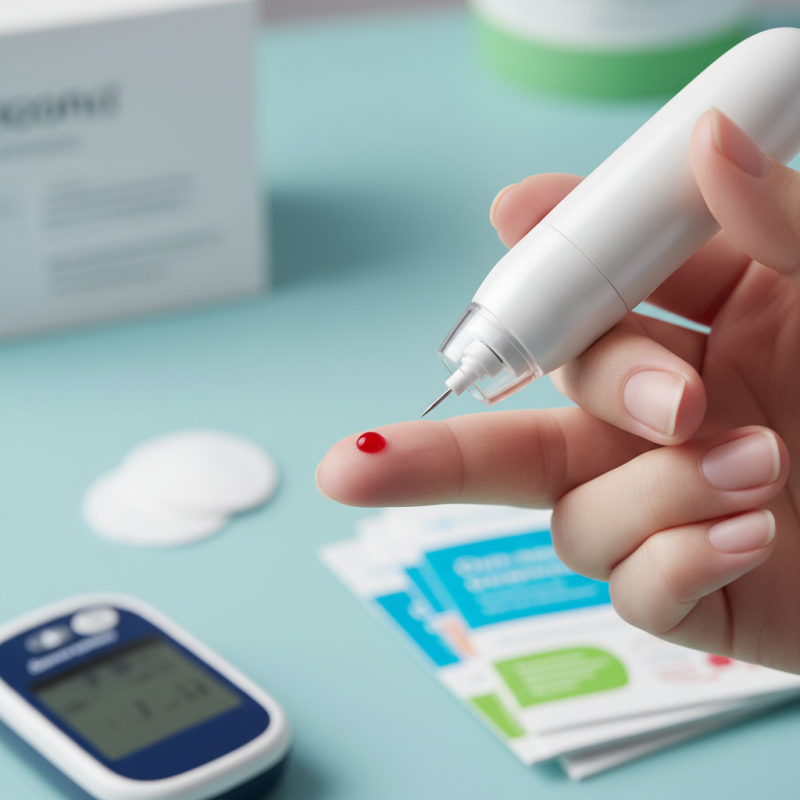
Blood lancets are essential tools for anyone who needs to monitor their blood glucose levels. Understanding the various sizes and types of blood lancets is crucial for ensuring a less painful experience during testing. Generally, lancets come in several sizes, typically measured in gauge. A higher gauge number indicates a thinner needle. For example, a 33-gauge lancet is smaller than a 28-gauge one. Smaller needles tend to cause less discomfort when piercing the skin.
Different types of lancets cater to specific needs. Some are designed for comfort, while others focus on precision. It’s important to consider skin sensitivity and the testing frequency. Individuals with sensitive skin might prefer finer lancets to minimize pain. However, they may require more effort to penetrate thicker skin. People often overlook the importance of testing depth. A deep puncture can lead to more pain, making choosing the right lancet size vital.
It’s essential to reflect on your experience with blood testing. Did you choose the right lancet size? Often, people settle for a size without considering their comfort. Adjusting the lancet depth and experimenting with sizes can lead to more pleasant testing experiences. Everyone's preferences and skin types are different, and finding the right fit can take time and patience.
When selecting a blood lancet, understanding its anatomy is crucial. A lancet typically consists of a sharp tip, a blade length, and a mechanism for activation. The sharpness of the tip significantly influences pain perception. A study by the American Diabetes Association reveals that sharper lancets can reduce the pain of pricking by nearly 30%. This data highlights the importance of choosing the right size and sharpness for your needs.
The blade length is another essential feature. Shorter blades tend to minimize tissue damage. Reports indicate that lancets with a blade length of less than 1.5 mm cause less discomfort and bruising. However, some users may feel less confident using shorter blades, fearing insufficient blood sample collection. Testers should evaluate their comfort levels against their frequency of testing.
Choosing a suitable lancet size is not straightforward. Individual pain thresholds vary significantly. Some users need to try different sizes before settling on one. Options range from ultra-thin to standard sizes. Each test has its pros and cons. Keeping track of what works can enhance your testing experience. A thoughtful selection can lead to a less painful process, ultimately improving adherence to glucose monitoring.
Choosing the right blood lancet size is crucial for minimizing pain during testing. Research indicates that a lancet tip size can greatly influence pain perception. A study published in the Journal of Diabetes Science and Technology found that patients using a finer lancet (28G) reported significantly lower pain levels compared to those using thicker options (21G). This difference highlights how size impacts the experience of blood collection.
Pain responses can also vary by individuating factors, such as skin type and sensitivity. Some users may perceive pain differently, even with the same lancet size. The American Journal of Nursing emphasizes understanding individual pain thresholds is vital. A common oversight is assuming that all patients will feel the same level of discomfort. Prior experience plays a role, with some individuals potentially having heightened anxiety based on previous tests.
Moreover, the depth of the lancet’s penetration matters. A shallower depth may reduce trauma to the skin, further decreasing pain. However, there exists a balance; too shallow can lead to inadequate blood flow. Industry guidelines recommend testing different sizes and depths to find the optimal combination. Engaging with healthcare providers for tailored advice based on personal testing history can foster a more effective and comfortable experience.
Choosing the right lancet size is crucial for painless testing. A 2019 study revealed that using finer lancets can reduce discomfort significantly. For individuals with sensitive skin, a lancet size of 30G or finer is often recommended. This size minimizes the depth of the puncture, leading to less pain during blood sampling.
However, it's important to remember that not everyone reacts the same way. Some people may find that a 28G lancet, designed for a deeper puncture, works better for their specific needs. Misjudging the lancet size can lead to unnecessary pain or inadequate blood samples. A recent survey indicated that 35% of users experienced discomfort due to improper lancet selection. Reflecting on personal preferences and experiences can help guide the choice.
In practice, testing should involve considering personal pain thresholds. Some healthcare professionals suggest varying lancet sizes over time to identify the best fit for an individual. Data from the Journal of Diabetes Science and Technology indicates that frequent adjustments can lead to a more comfortable testing experience. Balancing comfort with testing efficiency remains a challenge. Each individual must assess their unique needs to find an optimal solution.
Choosing the right blood lancet size can significantly reduce discomfort during testing. Many users report anxiety when testing, but using the correct size can help. Lancet sizes range widely, impacting depth and pain sensation. A smaller gauge lancet typically causes less pain, while larger ones may penetrate deeper, causing unnecessary discomfort.
Understanding your skin type is crucial in this decision. People with thinner skin may prefer a smaller gauge to avoid deep punctures. Conversely, those with thicker skin might benefit from a larger size. It’s critical to experiment within these guidelines. Keeping disposal lancets handy is also beneficial. This ensures you can promptly test again if the first attempt doesn’t yield enough blood.
Mental preparedness is essential. Approach testing with a calm mindset to reduce anxiety. Utilizing proper technique can make a difference too. A quick, decisive motion can minimize the pain felt. Reflecting on your experiences with testing can help.
: Blood lancets are essential tools for monitoring blood glucose levels.
Lancets come in different sizes measured in gauge. Higher gauge numbers indicate thinner needles.
The right size can significantly reduce discomfort. Smaller needles generally cause less pain.
Pain levels can vary based on skin type, sensitivity, and individual pain thresholds.
Experimenting with lancet sizes and depths can lead to more comfortable blood tests.
Yes, shorter blades (less than 1.5 mm) can minimize discomfort and tissue damage.
Past experiences can influence anxiety levels and perceived pain during blood testing.
No, individual preferences and skin types vary, so the ideal size differs for each person.
Sharper lancets can reduce prick pain, with studies showing a 30% reduction in discomfort.
Yes, engaging with healthcare professionals can help tailor lancet selection to personal needs.
When considering what size of blood lancet is best for painless testing, it's essential to understand the various options available and their key features. Blood lancets come in a range of sizes and types, each affecting the pain levels experienced during testing. A thorough evaluation of these sizes will help users identify a lancet that minimizes discomfort.
In the article, a step-by-step guide is provided to aid in selecting the appropriate lancet size based on individual needs. Additionally, best practices for pain-free blood testing are discussed, emphasizing techniques and methods that enhance the experience. By understanding the anatomy of a blood lancet and how size influences testing outcomes, individuals can make informed decisions to ensure painless blood testing.
