2026 Best Ways to Safely Dispose of Used Surgical Blades at Home?

Time:2026-05-01 Author:Aria
0%

When it comes to home healthcare, using surgical blades is common for various tasks. However, the question arises: How to properly dispose of used surgical blades at home? This is crucial because improper disposal can lead to injuries or environmental hazards. Many people might overlook safe disposal methods.

In this guide, we will explore the best practices for safely discarding used surgical blades. Many individuals are unaware of the risks involved with these sharp items. Inadequate management can be harmful not only to others but also to pets and the environment. Experts emphasize the need for awareness and education regarding disposal methods.

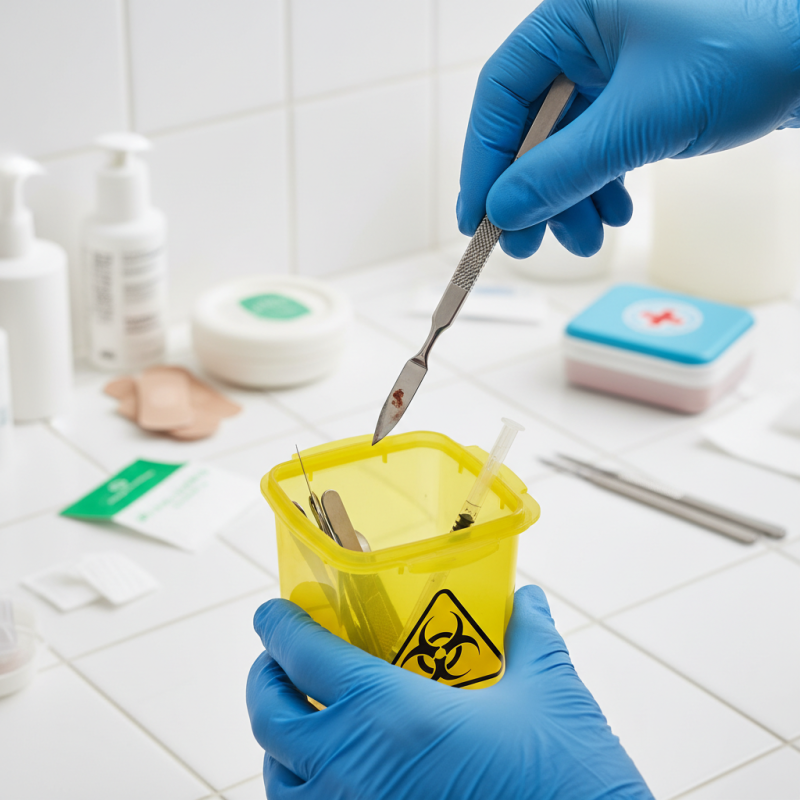
It’s essential to use designated containers, such as sharps disposal containers. Regular trash bins are not safe. If you don't have a proper container, don’t panic. We will discuss alternative methods to ensure safety. Understanding these practices is vital for anyone handling surgical blades. Your safety and the safety of those around you depend on responsible actions.
2026 Best Ways to Safely Dispose of Used Surgical Blades at Home?

Best Practices for Safely Storing Used Surgical Blades at Home

When storing used surgical blades at home, safety is crucial. Proper storage minimizes the risk of accidental injury and contamination. One effective method is to use a hard, puncture-resistant container. According to the American Medical Association, almost 500,000 injuries occur from sharps every year in the United States. Designing a designated space can significantly reduce this risk.

Keep the container in a secure and easily accessible location. This ensures that no one accidentally interacts with the blades. It's important to label the container clearly to avoid confusion. Despite taking precautions, there can still be moments of oversight. Children or pets may unintentionally access dangerous items if not stored properly.

Regularly check the container to ensure it is not overfilled. Dispose of it when necessary to maintain a safe environment. The Centers for Disease Control and Prevention notes that proper disposal and storage can prevent 80% of injuries related to sharps waste. Reflecting on these practices allows for continuous improvement in home safety measures.

Understanding the Risks of Improper Disposal of Surgical Blades

Improper disposal of surgical blades poses significant health risks. According to the World Health Organization, unsafe disposal methods can lead to increased injuries among healthcare workers and the general public. In households, used surgical blades can remain a hazard, often ending up in regular trash or recycling bins. Studies indicate that over 3.6 million needlestick injuries occur annually in the U.S. alone. These injuries can result in serious infections, including HIV and hepatitis.

To ensure safety, it is crucial to handle used surgical blades carefully. Accidental cuts can happen even during disposal. In 2020, research showed that 62% of healthcare professionals reported near-misses while disposing of sharps. Inadequate disposal practices can lead to blades being left in places where pets or children can access them. Creating a secure disposal container at home could mitigate risks. This should be puncture-resistant and labeled clearly.

Understanding the dangers of improper disposal is vital for everyone. Increased awareness can help reduce injuries. Consulting local health guidelines provides clarity on safe practices. The absence of strict oversight at home makes it easy to overlook these risks. It is important to remain vigilant and proactive in our disposal methods.

2026 Best Ways to Safely Dispose of Used Surgical Blades at Home

This chart represents the best methods for safely disposing of used surgical blades at home, highlighting the importance of using appropriate disposal techniques to minimize risks associated with improper disposal.

Step-by-Step Guide to Using a Sharps Container for Blade Disposal

Disposing of used surgical blades at home requires careful consideration. The Centers for Disease Control and Prevention (CDC) emphasizes safe disposal methods to prevent injuries. One of the best ways is using a sharps container. These containers are specifically designed to hold hazardous materials like surgical blades and syringes.

When choosing a sharps container, make sure it is puncture-proof and has a secure lid. This minimizes the risk of accidental cuts or needle-stick injuries. According to the World Health Organization (WHO), improper disposal contributes to a significant number of injuries, highlighting the importance of safe practices. Always label your container clearly to avoid confusion.

Tips for using a sharps container: Place it in a centralized location that's easily accessible, yet out of reach of children and pets. Never overfill the container; dispose of it when it's three-quarters full. Ensure that you seal and label it before disposal to avoid contamination. Remember, safe disposal reflects your commitment to health and safety. It’s an essential practice, not just for you, but for others in your home and community.

Local Regulations and Guidelines for Disposing of Surgical Blades

When disposing of used surgical blades at home, local regulations play a crucial role. Many regions require specific methods for safe disposal. Discarding blades with regular trash is often unsafe. Instead, check your municipality’s guidelines. Some areas may provide designated sharps containers.

Using a puncture-proof container is essential. A sturdy plastic bottle with a secure lid can be a temporary solution. Always label it clearly. This helps others understand its contents. Before disposal, ensure the container is sealed properly to prevent accidental injury.

Many people may not realize the risks involved in improper disposal. Accidental cuts can occur, exposing people to infections. Once your container is full, seek out local hazardous waste collection sites. These facilities can handle surgical blades safely. Awareness of regulations keeps the community safe. Each individual’s responsible choice makes a difference.

2026 Best Ways to Safely Dispose of Used Surgical Blades at Home

Method Description Safety Considerations Local Regulations
Sharps Container Use a sealed, puncture-resistant container specifically designed for sharps. Ensure the container is not overfilled and sealed tightly. Check local waste management rules for disposal of sharps containers.
Medical Waste Collection Services Utilize professional services that collect and dispose of medical waste properly. Verify the service complies with local health regulations. Regulations may require registration with the service.
Household Hazardous Waste (HHW) Facilities Take used surgical blades to local HHW collection events or centers. Ensure blades are sealed in a protective container to minimize risk. Verify HHW facility accepts sharps; rules vary by location.
Local Pharmacy Drop-off Some pharmacies may accept used surgical blades for safe disposal. Confirm acceptance policies before collection. Local regulations may support this option; check with pharmacies.

Alternative Disposal Methods for Used Surgical Blades and Their Safety

When it comes to disposing of used surgical blades at home, safety should always come first. A few effective methods can ensure proper disposal while minimizing risks. One alternative method is to use a sturdy, puncture-proof container. This can be a heavy-duty plastic bottle or even a specialized sharps container. Make sure it’s clearly labeled. Once the container is full, seal it tightly and follow local guidelines for disposal.

Another approach involves using household items like coffee cans or metal tins. These containers can be strong enough to hold blades safely. After they are used, you can secure the lid with tape. Ensure these containers are out of reach of children and pets. It’s crucial to remember that even small mistakes can lead to injuries, so double-check your storage method.

Lastly, some communities host hazardous waste collection events. Participating in these can ensure responsible disposal. Research your local resources. Explore options that provide safe disposal without risks. Finding the right disposal method can sometimes be challenging, but vigilance is key. Always prioritize safety in every step.

FAQS

: What is a safe way to store used surgical blades at home?

: Use a hard, puncture-resistant container to store used surgical blades safely.

Why is labeling the storage container important?

Clear labeling avoids confusion and ensures that others can safely identify the contents.

How can stored blades still pose a risk?

Children or pets might unintentionally access the blades if not secured properly.

What should be done with the container when it gets overfilled?

Dispose of it when it's three-quarters full to maintain a safe environment.

What are the risks of improper disposal of surgical blades?

Improper disposal can lead to injuries and serious infections among the public.

How do I handle used surgical blades safely during disposal?

Handle blades carefully to avoid accidental cuts and use a secure disposal method.

What happens if proper disposal practices aren’t followed?

Blades may be left in accessible areas, increasing the risk of injury.

Why is a sharps container necessary for blade disposal?

It is designed to hold hazardous materials safely and minimize cut risks.

Where should a sharps container be placed at home?

Keep it centralized and easily accessible, but out of reach of children and pets.

How can I improve my disposal methods?

Stay informed and reference local health guidelines to ensure safe practices.

Conclusion

When considering how to properly dispose of used surgical blades at home, it is essential to follow best practices to ensure safety and compliance with local regulations. Proper storage of used blades is crucial; they should always be kept in a secure, puncture-resistant container until disposal. Understanding the dangers associated with improper disposal—such as injuries and environmental hazards—will help emphasize the importance of using designated sharps containers.

A step-by-step guide to using a sharps container includes selecting an appropriate receptacle, labeling it clearly, and ensuring it is disposed of according to local guidelines. Additionally, exploring alternative disposal methods can provide further safety and convenience. By adhering to these guidelines, individuals can effectively manage the risks associated with used surgical blades in the home environment.

Aria

Aria

Aria is a dedicated marketing professional with a deep passion for innovative strategies and a keen understanding of our company's product offerings. With a wealth of experience in the industry, Aria excels at crafting engaging content that highlights the unique features and benefits of our......