BRJ Medical
In healthcare settings, choosing the right materials for surgical gowns is crucial. Non-woven fabric stands out for its unique properties. Dr. Emily Carter, a leading expert in medical textiles, emphasizes, “Non-woven fabric provides essential protection while ensuring comfort for both patients and medical staff.”
Why is non-woven fabric preferred for medical surgical gowns? The benefits are clear. This material offers superior breathability, allowing air circulation while preventing bacteria from penetrating. The lightweight nature of non-woven fabric ensures that healthcare professionals can move freely, enhancing their overall efficiency. Additionally, its fluid resistance is vital in protecting against spills and contamination during procedures.
However, not every non-woven fabric is created equal. The quality can vary, impacting its effectiveness. It's essential for manufacturers to invest in high-quality production processes. While non-woven fabrics are advantageous, attention must be paid to sourcing and standards. This ongoing evaluation will contribute to safer surgical environments in the future.
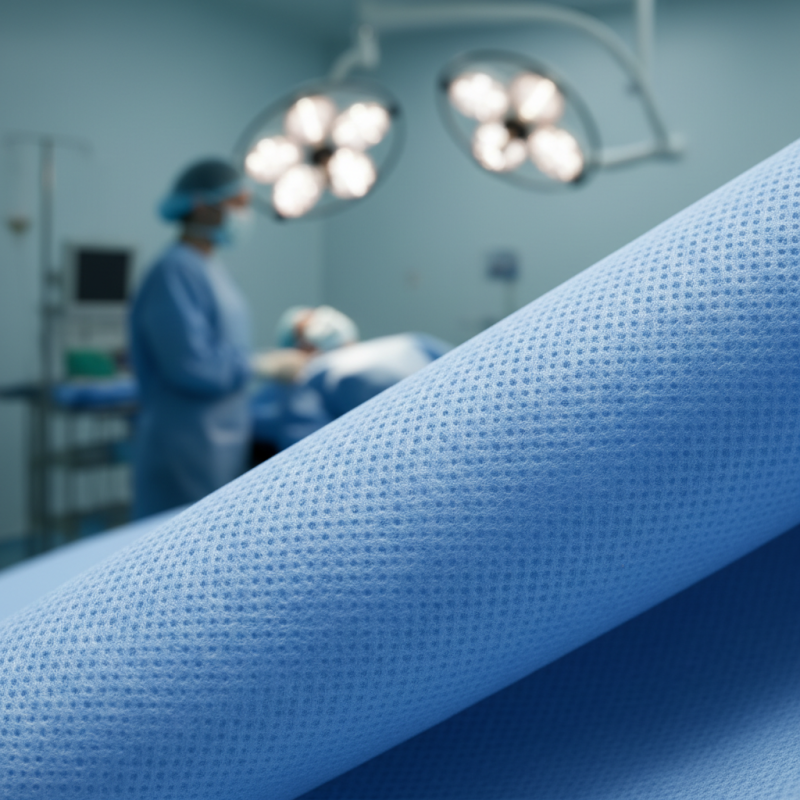
Non-woven fabrics have gained popularity in the medical sector, particularly for surgical gowns. These materials offer unique advantages, such as breathability and fluid resistance. A report from Smithers Pira indicates that the non-woven fabric market in healthcare is expected to grow by 7% annually. This increase underscores the material's importance in ensuring safety during medical procedures.
In surgical settings, gowns made from non-woven fabrics provide better protection against contaminants compared to traditional woven fabrics. The American Institute of Textile Technology highlights that these materials can filter particles as small as 0.2 microns. Such efficiency is crucial for maintaining sterile environments. However, some healthcare professionals express concerns about the environmental impact of non-woven fabrics post-use, calling for more sustainable options and recycling practices in the industry.
Despite the advantages, not all non-woven fabrics are created equal. Variances in quality and performance can affect their effectiveness in protecting healthcare workers. A study published in the Journal of Hospital Infection revealed that some gowns failed to meet the required standards for surgical use. These findings emphasize the need for rigorous testing and certification in material selection for surgical applications.
Non-woven fabric has emerged as an essential material for surgical gowns in the healthcare industry. Its unique properties provide a combination of comfort and protection, making it highly suitable for various medical settings. According to a report from MarketsandMarkets, the global non-woven fabric market is projected to grow from USD 30.48 billion in 2021 to USD 45.59 billion by 2026, reflecting its increasing adoption in healthcare applications.
One key property of non-woven fabric is its excellent barrier effectiveness. This fabric can effectively repel liquids and bacteria, crucial for surgical environments. Research shows that non-woven materials can achieve a bacterial filtration efficiency (BFE) rate of over 99%. This is particularly vital in surgeries where fluid exposure is a significant concern. Additionally, non-woven fabrics are lightweight yet strong. This combination allows surgical gowns to be both comfortable for the wearer and durable enough to withstand rigorous use.
Another significant attribute is breathability. Non-woven fabrics often feature micro-pores that enhance air circulation while maintaining moisture resistance. This property minimizes the risk of heat stress for medical professionals during lengthy procedures. However, improvements are still necessary. Some non-woven fabrics can lack elasticity, potentially restricting movement. Innovations are needed to address this and enhance comfort without compromising protection.
Non-woven fabric offers distinct advantages over traditional materials for surgical gowns. This fabric is crafted through a unique process that intertwines fibers without the need for weaving. As a result, it provides better barrier protection against fluids and pathogens. The lightweight nature of non-woven fabric enhances comfort during lengthy surgical procedures, which is vital for both surgeons and patients.
Another significant benefit is breathability. Unlike many woven fabrics, non-woven options allow air circulation, reducing the risk of overheating. This feature is crucial in a surgical setting where maintaining appropriate body temperature is necessary. Furthermore, non-woven fabrics can be engineered for specific medical requirements. They can incorporate antimicrobial properties, adding a layer of defense against infections.
Despite these advantages, the production of non-woven fabrics raises concerns about environmental impact. While they offer convenience, the disposable nature can lead to substantial waste. Hospitals must consider the balance between safety and sustainability. This aspect invites reflection on improving materials and practices in healthcare settings. In this evolving landscape, non-woven fabric stands out, yet it challenges us to think critically about its long-term implications.
| Advantage | Non-Woven Fabric | Traditional Materials |
|---|---|---|
| Breathability | High | Moderate |
| Fluid Resistance | Excellent | Variable |
| Comfort | Soft and Comfortable | Stiff and Less Comfortable |
| Cost-effectiveness | Lower Production Cost | Higher Production Cost |
| Sterilization Capability | Easy to Sterilize | Difficult to Sterilize |
| Durability | Tear-resistant | Less Tear-resistant |
| Environmental Impact | Made from Recycled Materials | Not Always Recyclable |
The environmental impact of non-woven fabrics in healthcare is significant. These fabrics, often made from synthetic materials, are lightweight and strong. They reduce the need for water and energy compared to woven alternatives. This characteristic allows for a decrease in environmental strain. However, the production processes do have drawbacks. For example, non-woven fabrics can contribute to plastic waste if not disposed of properly.
In surgical settings, non-woven materials provide excellent barrier protection. They prevent contaminants from reaching sterile areas. This quality is essential for patient safety. Nonetheless, the challenge lies in their disposal. Many healthcare facilities still lack adequate systems for recycling these materials. This oversight can lead to increased landfill waste.
There is also ongoing debate about the biodegradability of non-woven fabrics. Some options are designed to decompose more easily. Yet, many standard non-woven products persist in the environment for years. This raises questions about their long-term sustainability. As healthcare continues to evolve, so too must our practices regarding materials. It’s crucial to seek innovations that balance safety with environmental responsibility.
The future of non-woven fabric development in medical applications looks promising. Manufacturers explore innovative materials, enhancing the properties of these fabrics. The focus is on improving barrier protection while maintaining breathability. This balance is essential for surgical gowns, which must keep healthcare workers safe without sacrificing comfort.
Sustainability is becoming a priority in fabric production. Development efforts aim to create biodegradable non-woven options. Some manufacturers are experimenting with natural fibers, which can reduce environmental impact. However, challenges remain in ensuring these materials meet stringent medical standards.
As technology advances, smart textiles may emerge. These fabrics could feature embedded sensors for monitoring health metrics. However, integrating such technologies into non-woven materials presents hurdles. The medical field requires rigorous testing before these innovations can see widespread use. Non-woven fabric’s journey is ongoing, with both potential and limitations shaping its future role in healthcare.
: Non-woven fabrics are breathable and fluid-resistant, providing excellent protection against contaminants.
These materials can filter particles as small as 0.2 microns, ensuring a sterile environment during surgeries.
Many express worries about the environmental impact and call for better recycling practices post-use.
No, there are variances in quality. Some fabrics may not meet required surgical standards, risking safety.
They can achieve a BFE rate of over 99%, crucial for minimizing infection risks during surgeries.
They require less water and energy to produce, but improper disposal can contribute to plastic waste.
Many facilities lack adequate recycling systems, leading to increased landfill waste after use.
Some fabrics lack elasticity, which may restrict movement, highlighting the need for innovation and improvement.
Some non-woven products are designed to decompose more easily, but many still persist in the environment.
It's crucial to balance safety with environmental responsibility as healthcare practices evolve and change.
Non-woven fabric has emerged as a critical material in medical applications, particularly for surgical gowns, owing to its unique properties and advantages. Why is non-woven fabric preferred for medical surgical gowns? The key properties include high barrier protection, breathability, and comfort, making it an ideal choice for maintaining hygiene and safety during surgical procedures. Additionally, non-woven fabrics offer several advantages over traditional materials, such as enhanced fluid resistance and easier disposal, aligning with the stringent requirements of healthcare environments.
Moreover, the environmental impact of non-woven fabrics is increasingly considered, as many developments focus on sustainability and reducing waste in healthcare settings. Looking ahead, future trends in non-woven fabric development continue to emphasize innovation, with advancements aimed at improving functionality while addressing ecological concerns. Overall, the versatility and effectiveness of non-woven fabrics stand out, confirming their status as a preferred material in the manufacturing of surgical gowns.