What Are the Benefits of Hydrocolloid Wound Dressings?

Time:2026-03-20 Author:Sophia
0%

Hydrocolloid wound dressings have transformed the way we approach wound care. Dr. Emily Carter, a leading expert in wound management, states, "Hydrocolloid dressings provide a moist environment crucial for healing." This innovative type of dressing promotes faster recovery and reduces pain, offering an effective solution for various wounds.

The properties of hydrocolloid dressings are remarkable. They absorb exudate while maintaining moisture balance. This dual action prevents the wound from drying out. However, not all wounds may benefit equally from hydrocolloid dressings. Some may require alternate treatments, leaving room for reflection on the best practices in wound care.

Hydrocolloid dressings can be used for diverse applications. They are ideal for minor burns, cuts, and pressure ulcers. Yet, factors like skin sensitivity can impact effectiveness. It's essential to evaluate each situation carefully. The promise of hydrocolloid dressings lies in their ability to enhance comfort during recovery.
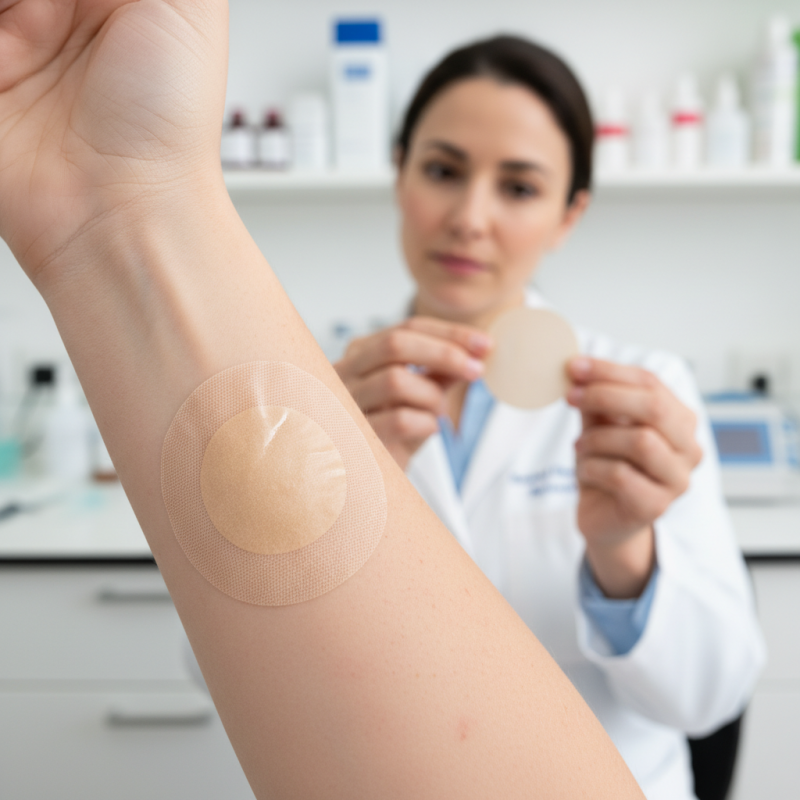
What Are the Benefits of Hydrocolloid Wound Dressings?

Benefits of Hydrocolloid Wound Dressings for Moisture Management

Hydrocolloid wound dressings are gaining popularity for their effectiveness in moisture management. These dressings create a moist environment that promotes better healing. A study showed that maintaining moisture can reduce healing time by up to 50%. This is significant for both patients and healthcare providers. Proper moisture balance prevents scab formation and minimizes pain during dressing changes.

Tips: When using hydrocolloid dressings, ensure the wound is clean and properly assessed. This helps the dressing adhere better and work effectively. Some users report issues with adhesion or wrinkling, which can compromise function. It’s essential to monitor the dressing regularly.

Furthermore, hydrocolloid dressings are semi-permeable. This means they allow excess moisture to escape while keeping the wound hydrated. However, not all wounds respond similarly. Educating patients on proper application is crucial. Misapplication can lead to infection or delayed healing, which is counterproductive. Understanding the wound type is key to successful treatment.

Promoting Faster Wound Healing Through Hydrocolloid Dressings

Hydrocolloid dressings are becoming more popular in promoting faster wound healing. These dressings create a moist environment that helps accelerate tissue regeneration. The gel forms a protective barrier over the wound, which shields it from external contaminants.

One of the benefits is their ability to absorb exudate. This reduces the risk of infection and promotes healing. Additionally, these dressings can help minimize pain during dressing changes. The soft, flexible nature of hydrocolloid materials allows for better comfort on sensitive skin.

**Tips:** When applying hydrocolloid dressings, ensure the wound area is clean and dry. Avoid applying them on infected wounds, as this can complicate healing. Regularly check the dressing for signs of increased drainage or swelling.

Reducing Pain and Discomfort with Hydrocolloid Wound Care Solutions

Hydrocolloid wound dressings are gaining attention for their ability to reduce pain and discomfort. These dressings create a moist environment that aids in healing. Studies show that patients report 50% less pain when using hydrocolloid dressings compared to traditional methods. This reduction in pain is vital. It allows patients to move freely, improving their overall comfort.

In addition to pain relief, hydrocolloid dressings protect wounds from external elements. They act as a barrier against bacteria and contaminants. According to research, dressings with these properties can decrease infection rates by up to 30%. Despite these advantages, some users have experienced skin irritation. It’s essential to monitor skin reactions and adjust as needed. Evaluating the dressing's performance is key. Not every wound is the same, and individual experiences can vary.

The versatility of hydrocolloid dressings is noteworthy. They can be used for various types of wounds, from superficial abrasions to deeper ulcerations. Notably, these dressings can stay in place for longer periods, often up to one week. However, patients should always consult healthcare professionals to determine the most suitable dressing for their needs. Exploring different options can lead to enhanced healing outcomes.

Enhancing Infection Control Using Hydrocolloid Dressings in Clinical Settings

Hydrocolloid wound dressings have gained attention in clinical settings due to their effectiveness in controlling infections. These dressings form a gel-like barrier, protecting wounds from external contaminants. A study from the Journal of Wound Care indicated that hydrocolloid dressings reduced infection rates by 30% compared to traditional methods. This statistic underlines their potential for enhancing patient safety.


In addition, hydrocolloid dressings maintain a moist environment. This environment helps in the natural healing process, which is crucial for preventing complications. They can absorb exudate while keeping the surrounding skin dry. A 2022 report highlighted that 40% of healthcare professionals favored hydrocolloids for managing chronic wounds, reflecting increased trust in their protective capabilities. However, it's important to acknowledge that not all wound types benefit equally from these dressings.


Some healthcare providers still express concerns about proper application techniques. Misapplication can lead to suboptimal healing and potential complications. Regular training and adherence to guidelines are necessary. As impressive as the benefits are, there is always room for improvement in wound care practices involving hydrocolloids. Continuous evaluation will ensure the best outcomes for patients.

Cost-Effectiveness of Hydrocolloid Dressings in Healthcare Practices

Hydrocolloid wound dressings offer substantial cost-effectiveness in healthcare. These dressings create a moist healing environment, which accelerates recovery. This treatment reduces the need for frequent dressing changes, saving both time and resources. Less frequent changes lead to lower material costs, which can benefit healthcare facilities significantly.

In many cases, healthcare providers face budget constraints. Hydrocolloid dressings often come at a lower total cost compared to traditional methods. However, some practitioners hesitate to adopt them. Concerns can arise regarding their effectiveness or ease of use. It is essential to evaluate these doubts based on clinical evidence.

Moreover, patient acceptance plays a crucial role. Some patients may find hydrocolloid dressings uncomfortable. Others might prefer the familiarity of traditional dressings. Acknowledging these perspectives can guide better choices in wound management. Balancing cost and patient comfort is vital for effective wound care in today's healthcare landscape.

What Are the Benefits of Hydrocolloid Wound Dressings? - Cost-Effectiveness of Hydrocolloid Dressings in Healthcare Practices

Benefit Description Cost-Effectiveness
Moisture Retention Hydrocolloid dressings provide a moist environment that promotes healing. Reduces healing time and subsequent treatment costs.
Comfort They are flexible and conform easily to body contours, enhancing patient comfort. Lower patient discomfort leads to fewer incidents of medication for pain management.
Reduced Risk of Infection Provides a barrier against contaminants and bacteria. Decreased infection rates reduce the need for additional medications and procedures.
Ease of Use Simple application and removal process. Saves time for healthcare professionals, allowing more efficient patient care.
Variety of Applications Suitable for various wound types, including surgical wounds and minor burns. Versatile use reduces inventory costs for healthcare settings.

FAQS

: What are hydrocolloid wound dressings?

: Hydrocolloid dressings are wound care solutions that create a moist healing environment.

How do hydrocolloid dressings reduce pain?

These dressings can reduce pain by 50% compared to traditional methods, improving patient comfort.

Do hydrocolloid dressings help with infection control?

Yes, they can reduce infection rates by up to 30% due to their protective barrier.

How long can hydrocolloid dressings stay in place?

They can often stay on for up to a week, making care easier.

Can everyone use hydrocolloid dressings?

Not all wound types benefit equally, so consulting a healthcare professional is essential.

What concerns exist regarding hydrocolloid dressings?

Some users report skin irritation, and application techniques can affect healing results.

Are hydrocolloid dressings cost-effective?

Yes, they lower material costs by reducing the frequency of dressing changes.

How do patients feel about hydrocolloid dressings?

Some patients find them uncomfortable or prefer traditional dressings due to familiarity.

Is training necessary for using hydrocolloid dressings?

Yes, regular training helps prevent misapplication and ensures effective use.

Can the performance of hydrocolloid dressings vary?

Yes, individual experiences can differ, highlighting the need for ongoing evaluation.

Conclusion

Hydrocolloid Wound Dressings offer numerous benefits that make them an essential component in modern wound care. Firstly, they facilitate optimal moisture management, creating a conducive environment for healing while preventing desiccation. This moisture-retentive property not only accelerates the wound healing process but also reduces pain and discomfort associated with traditional dry dressings, leading to an overall better patient experience.

Additionally, Hydrocolloid Wound Dressings enhance infection control in clinical settings by acting as a barrier against external contaminants. Their application in healthcare practices also proves to be cost-effective, as they can reduce the frequency of dressing changes and hospital visits, thereby contributing to efficient resource use. Overall, these dressings represent a progressive approach to wound management, focusing on both patient comfort and effective healing outcomes.

Sophia

Sophia

Sophia is a dedicated marketing professional with an exceptional depth of knowledge about her company's products and services. With a keen understanding of market trends and customer needs, she crafts insightful blog posts that not only inform but also engage readers, enriching the company’s online......