Medical identification bracelets serve a vital role in emergency situations. However, wearing them can sometimes lead to skin irritation. It's essential to understand how to prevent skin irritation from medical identification bracelets. This irritation may arise from material sensitivities, poor fit, or lack of cleanliness.
Choosing the right bracelet material is crucial. Options include silicone, stainless steel, and nylon. Each material has advantages and possible drawbacks, requiring careful consideration. A proper fit ensures that the bracelet is not too tight, preventing chafing and irritation. Regular cleaning can also make a significant difference, eliminating dirt and bacteria.
Ultimately, finding the ideal solution may take some time and experimentation. Patience is necessary. By understanding how to prevent skin irritation from medical identification bracelets, wearers can enjoy the benefits of these important accessories without discomfort. Awareness and proactive measures pave the way for a better experience.
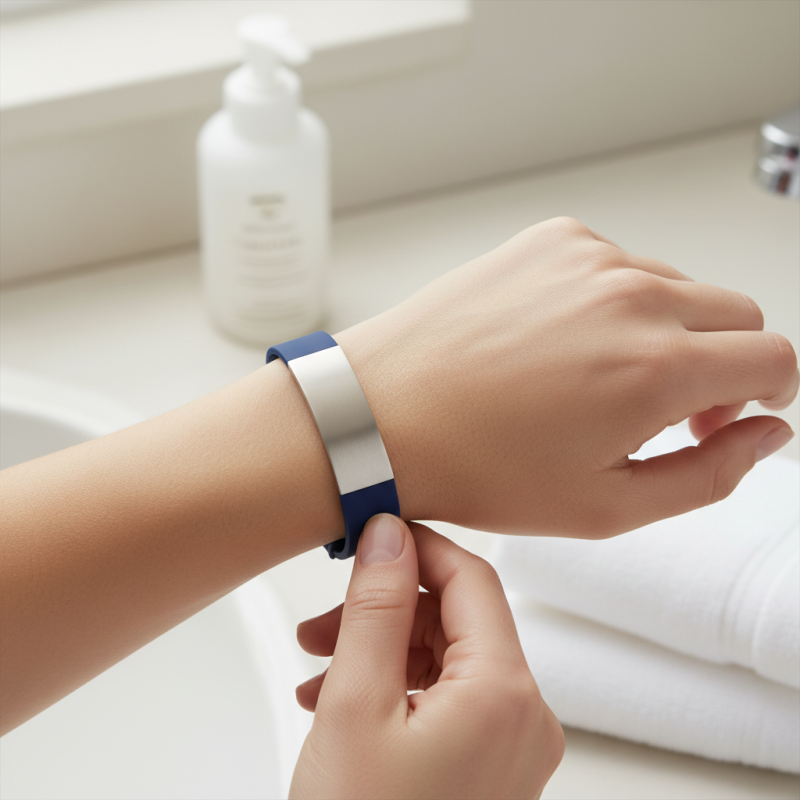
Understanding Skin Irritation from Medical ID Bracelets
Skin irritation from medical ID bracelets is a common concern. A
study from the American Academy of Dermatology indicates that
up to 30% of individuals wearing jewelry experience contact dermatitis. This condition occurs
when the skin reacts to materials, leading to redness and discomfort. Medical ID bracelets can cause similar issues, especially
if they are made from non-hypoallergenic metals or materials like rubber that can trap moisture.
Identifying the underlying cause of irritation is essential. Nickel is a common allergen
found in many metal bracelets. According to the American Contact Dermatitis Society, nearly
20% of women and 10% of men are allergic to nickel. This risk
increases with prolonged exposure, especially in humid environments. Moreover, sweat can exacerbate irritation, creating a
perfect storm for skin reactions.
Proper care and maintenance of the bracelet can minimize irritation.
Cleaning the bracelet regularly helps remove sweat and bacteria. Additionally,
consider using breathable materials like silicone or medical-grade stainless steel. Customization options allow you to choose materials
suited for sensitive skin. Stay vigilant about any changes on the skin, as early detection can prevent severe reactions.
Materials to Consider for Hypoallergenic Medical ID Bracelets
Choosing the right material for medical ID bracelets is crucial to avoid skin irritation. Many options exist, but only a few are truly hypoallergenic.
Stainless steel, for instance, is durable but can cause reactions in sensitive individuals. This makes it important to consider alternatives that are less likely to irritate the skin.
Materials like silicone and medical-grade plastic are good choices. They are soft, flexible, and often come in various colors. These materials can withstand water and sweat without degrading.
Some wearers might find these options more comfortable for daily use. However, not everyone may feel secure with non-metal options. The balance between comfort and safety often requires personal testing.
Another option is titanium, which is lightweight and resistant to corrosion. Many people appreciate its strength and hypoallergenic properties.
Yet, it's always wise to monitor your skin's reaction. Sometimes, irritation occurs days after wearing a new bracelet.
Keeping an eye on any redness or discomfort can help you make better choices in the future. Finding the perfect bracelet may require patience, but it’s worth the effort.
Proper Sizing and Fit to Prevent Skin Discomfort
Choosing the right medical ID bracelet is crucial for comfort. Proper sizing and fit can prevent skin irritation. Studies show that nearly 30% of users experience discomfort due to improper sizing. The bracelet should not be too tight or too loose. A tight fit can cause rubbing and skin irritation. Loose bracelets may slide and create pressure points.
Consider the material as well. Metal bracelets can sometimes cause allergic reactions. Reports indicate that around 20% of the population may have sensitivities to certain metals. Silicone and fabric options are often recommended for those with sensitive skin. They offer a more breathable fit, reducing the chances of irritation.
Always measure the wrist before purchasing. A snug fit should allow for a finger to slide between the bracelet and skin. Regularly check for any signs of irritation, such as redness or itching. Even slight discomfort warrants attention. Users should be proactive in addressing any issues. Prioritizing fit and material can significantly enhance comfort and ensure the medical ID serves its purpose effectively.
Maintenance Tips to Keep Your Medical ID Bracelet Clean
Medical ID bracelets serve a crucial purpose, but skin irritation can occur if they're not properly maintained. To keep your bracelet comfortable and clean, regular maintenance is essential. After wearing your bracelet for an extended period, remove it and wash it with mild soap and water. This helps to eliminate sweat and skin oils that can lead to irritation.
Pay attention to the materials used in your bracelet. Some individuals may have sensitivities to metals or plastics. If you notice redness or discomfort, consider exploring hypoallergenic materials. It's also wise to occasionally inspect your bracelet for signs of wear. A crack or scratch can irritate your skin, so address any issues promptly.
Storing your bracelet properly is just as important as cleaning it. Avoid leaving it in humid areas, as moisture can promote bacterial growth. Instead, place your bracelet in a dry, cool location. This simple habit can extend the life of your bracelet while minimizing irritation risks. Keep in mind that everyone's skin reacts differently, so be alert to any changes and adjust your maintenance routine accordingly.
Signs of Skin Irritation and When to Seek Alternatives
Skin irritation from medical ID bracelets can be a common concern for many users. Signs of irritation include redness, itching, and swelling. These reactions are often due to materials like metal or plastic. Reports indicate that up to 30% of individuals may experience some form of skin irritation from wearing jewelry or bracelets.
Consider the following tips to minimize skin irritation. First, always choose hypoallergenic materials. Stainless steel, titanium, or silicone options may reduce the risk of allergic reactions. Second, regularly clean your bracelet to prevent dirt accumulation. A clean surface can help avoid irritation triggered by bacteria. Lastly, pay close attention to how your skin feels. If you notice persistent redness or discomfort, it's essential to explore alternative medical ID solutions, such as wristbands made from breathable fabrics.
Recognizing early signs of irritation is vital. If your skin becomes increasingly irritated, it may be time to seek alternatives. Livestrong reports that prolonged irritation can lead to more severe skin conditions. Always listen to your body; discomfort is a signal that should not be ignored.
How to Avoid Skin Irritation from Medical ID Bracelets? - Signs of Skin Irritation and When to Seek Alternatives
| Signs of Skin Irritation |
Symptoms |
When to Seek Alternatives |
Recommended Alternatives |
| Redness |
Inflamed skin |
Persistent irritation for more than a few days |
Silicone ID bracelets |
| Itching |
Constant scratching |
Severe itching disrupting daily activities |
Fabric or cloth wristbands |
| Swelling |
Puffiness around the bracelet |
Signs of infection or significant inflammation |
Metal-free options |
| Blistering |
Fluid-filled bumps |
Immediate medical attention required |
Custom-fit options |
| Rash |
Skin discoloration and irritation |
Rash worsens or does not improve |
Hypoallergenic materials |
FAQS
: Silicone and medical-grade plastic are good options. They are soft, flexible, and colorful.
Stainless steel is durable but can cause reactions in some individuals. Monitor your skin's response.
Regular cleaning is important. Wash it with mild soap and water after extended use.
If you experience redness or discomfort, switch to hypoallergenic materials. Be proactive in finding alternatives.
Remove it regularly and clean it. This prevents sweat and oils from causing skin irritation.
Store it in a dry, cool place. Avoid humid areas to reduce bacterial growth.
Titanium is lightweight and hypoallergenic but should be monitored for skin reactions over time.
Regularly inspect for cracks or scratches. Address issues quickly to avoid skin irritation.
Conclusion
When considering "How to prevent skin irritation from medical identification bracelets?", it's essential to understand the potential causes of skin irritation associated with these accessories. Factors such as the materials used can significantly impact comfort, making it crucial to select hypoallergenic options designed to minimize allergic reactions. Additionally, proper sizing and fit are vital in preventing discomfort; an ill-fitting bracelet can lead to chafing and skin issues.
Maintenance is another key aspect, as keeping your medical ID bracelet clean can help reduce skin irritation. Regular cleaning prevents dirt and bacteria buildup, which can exacerbate skin issues. It's also important to be aware of the signs of skin irritation, such as redness or itching, and to seek alternatives if these symptoms persist. By following these guidelines, individuals can enjoy the security of wearing a medical ID bracelet without the discomfort of skin irritation.
 BRJ Medical
