How to Avoid Risks of Reusing Single Use Medical Devices?

Time:2026-09-23 Author:Amelia
0%

Reusing a device marked for one procedure can seem economical, especially when supplies are limited. Yet the central question remains: What are the risks of reusing single-use medical devices? The answer involves more than visible cleanliness. Blood proteins may remain inside narrow channels. Tiny cracks can appear after exposure to heat, chemicals, or pressure. A device may look clean and still carry microorganisms.

Dr. William A. Rutala, an infection-prevention specialist, explains the principle clearly: “A reprocessed single-use device is not the same as a new device.” That difference matters in operating rooms, dental clinics, and outpatient facilities. Reuse can cause cross-contamination, unexpected breakage, chemical irritation, or inaccurate performance. A catheter might lose flexibility. An electrical sensor might produce unreliable readings. A sealed package might also fail during storage.

The safest approach begins with a documented risk assessment, not assumptions. Healthcare teams should follow manufacturer instructions, approved reprocessing procedures, and facility infection-control policies. They should verify cleaning, disinfection, sterilization, inspection, packaging, and traceability at every stage. Staff training must include practical checks, such as examining hinges, lumens, insulation, and seals under adequate lighting.

Small failures can have serious consequences.

This topic also deserves humility. Even a careful process may miss hidden contamination or material fatigue. For that reason, clinicians and procurement teams should question whether reuse provides genuine value after safety, monitoring, staff time, and potential patient harm are considered. A reliable prevention strategy protects patients before savings are calculated.
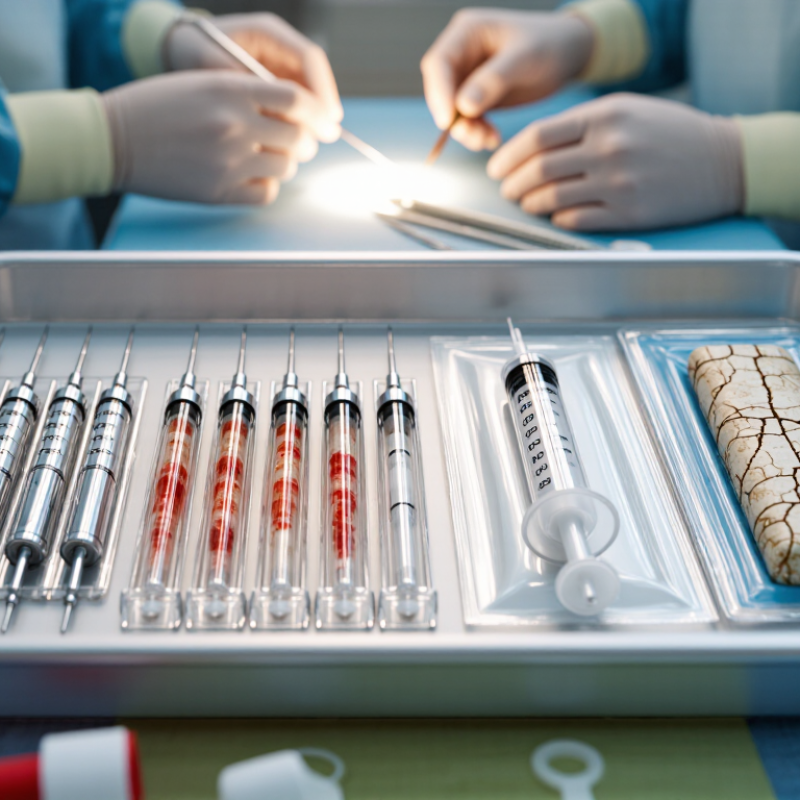
How to Avoid Risks of Reusing Single Use Medical Devices?

Understanding What Makes a Medical Device Single-Use

How to Avoid Risks of Reusing Single-Use Medical Devices?

A single-use medical device is designed and validated for one patient procedure, not repeated cleaning or reprocessing. The U.S. FDA defines it as a device intended for one use, or one patient during one procedure. Its materials, joints, coatings, and sterility claims support that limited life cycle. This distinction is easy to miss. “Single-use” does not merely mean disposable packaging. It describes the manufacturer’s validated safety boundary.

Reusing such a device can change its physical performance. Heat may warp plastic. Chemicals can weaken seals. Scrubbing may leave microscopic scratches where bioburden remains. Narrow channels can retain blood or tissue after visual inspection looks clean. The CDC’s Guideline for Disinfection and Sterilization stresses that cleaning must precede effective disinfection or sterilization. However, a single-use device may lack validated reprocessing instructions. That gap matters. In clinical practice, “it looks clean” can become an unsafe assumption.

The infection context is already serious. WHO’s 2022 Global Report on Infection Prevention and Control estimates that 7 of 100 acute-care patients in low- and middle-income countries, and 10 of 100 in high-income countries, acquire at least one healthcare-associated infection. These figures do not prove reuse caused each infection. They show why device classification deserves careful attention. Check the label, instructions for use, and facility policy. If marked single-use, treat that marking as a safety limit, not a suggestion. Document uncertainty, too. That imperfect step can reveal training gaps before harm occurs.

Identifying Infection, Performance, and Patient Safety Risks

Reusing a single-use medical device can appear economical, but its risks are easy to underestimate. Infection may begin with microscopic residue trapped in hinges, channels, or textured surfaces. Cleaning alone does not guarantee reliable decontamination. Some materials also absorb fluids or lose their protective finish. In clinical practice, a device can look clean and still carry danger. That uncomfortable gap deserves attention.

Performance can change after exposure to heat, chemicals, pressure, or repeated handling. Cutting edges may dull. Seals can weaken. Sensors may drift. A connector might fit, yet fail during a critical procedure. These defects can delay treatment, damage tissue, or produce inaccurate readings. Patient safety includes more than preventing infection. It also depends on predictable function, traceability, and staff confidence. A rushed visual check is not enough. I have seen small assumptions become larger hazards, and that is worth admitting.

Tips: Treat the original single-use label as a serious safety signal. Do not reuse a device unless a qualified healthcare organization has an approved, evidence-based process and local requirements permit it. Verify cleaning, disinfection, sterilization parameters, material compatibility, and functional testing. Record the device history, operator, cycle, and inspection result. Remove any item with cracks, discoloration, stiffness, residue, or uncertain history. Train staff with realistic examples, including failed seals and blocked channels. When evidence is incomplete, choose the safer path. It may feel wasteful, but uncertainty belongs nowhere near a patient.

How to Avoid Risks of Reusing Single-Use Medical Devices?

Identifying infection, performance, and patient safety risks

Reusing a device labeled for single use can introduce three major risk areas: contamination and infection, loss of intended performance after cleaning or sterilization, and direct patient harm caused by material degradation, toxic residues, breakage, or malfunction. The chart presents a qualitative priority assessment based on recognized infection-control and medical-device reprocessing principles; it is not an estimate of event frequency. Reuse should only occur where permitted by applicable regulations and under a validated, documented reprocessing program.

Assessing Whether Reuse Is Permitted and Clinically Justified

How to Avoid Risks of Reusing Single-Use Medical Devices?

Reusing a single-use medical device should never begin with cost savings. It should begin with permission and evidence. Requirements may differ by country, facility, and device category. Review current regulations, the manufacturer’s instructions, and your institution’s policy. A device marked for one use may have hidden limits. Materials can weaken, seals may fail, and internal channels may retain contamination.

Then ask whether safe reprocessing is technically possible. The assessment should cover cleaning, disinfection or sterilization, functional testing, packaging, storage, and traceability. A written protocol is essential. Staff need documented training and clear rejection criteria. A cracked hinge, cloudy surface, damaged insulation, or failed leak test should end the process immediately. Do not rely on appearance alone.

Clinical justification requires a separate judgment. Compare the reuse risk with the risk of using an approved alternative. Consider the patient’s condition, procedure complexity, tissue exposure, and likely consequences of device failure. A device used near sterile tissue deserves a stricter assessment than one with limited contact. Record the reasoning for every decision. Patient communication may also be appropriate, depending on local requirements and clinical practice. In practice, checklists help, but they can create false confidence. A completed form does not prove safety. I have seen how rushed inspections overlook small damage, especially under poor lighting. That uncomfortable possibility should remain part of the review.

Applying Validated Cleaning, Disinfection, and Sterilization Controls

Reusing a single-use medical device creates risks that visual inspection cannot reveal. A clean surface can mislead. Blood, protein, or microorganisms may remain inside narrow channels. Any reuse program must follow facility policy, device instructions, and applicable regulatory requirements. It should begin with a documented risk assessment, not convenience.

Validated cleaning is the foundation. Staff should remove soil promptly, disassemble approved components, and flush internal lumens with controlled water pressure. Detergent concentration, temperature, contact time, and brush size require defined limits. Cleaning results should be checked with suitable tests, especially for complex devices. One missed channel can compromise every later step. I have seen teams focus on appearance while overlooking drying, which can support microbial growth.

Disinfection and sterilization controls must match the device’s materials, design, and intended use. Validation should demonstrate repeatable performance under worst-case conditions, including difficult load arrangements. Routine monitoring may include chemical indicators, biological indicators, equipment records, and periodic requalification. Packaging must protect the device after processing, while storage areas need controlled cleanliness and handling. Each cycle requires traceability, including operator, date, equipment, parameters, and release decision. Failed results should trigger quarantine and investigation, never quiet correction. Human judgment still matters, but undocumented judgment is difficult to defend. Some procedures may look efficient on paper and fail during real clinical work. That gap deserves honest review.

Monitoring Reuse Practices and Responding to Safety Incidents

How to Avoid Risks of Reusing Single Use Medical Devices?

Reusing single-use medical devices can introduce hidden hazards, including contamination, material fatigue, and poor performance. Where local requirements and validated protocols allow any reuse, every step must be controlled and documented. Monitoring should begin at collection and continue through cleaning, inspection, sterilization, storage, and patient use. Record the device identifier, processing date, operator, cycle results, and inspection findings. A cracked connector, cloudy surface, or weakened seal deserves immediate attention. During routine audits, compare records with inventory and procedure logs. Missing entries often reveal process weaknesses before patients experience harm.

Tips:

  • Use a clear tracking form.
  • Set defined reuse limits.
  • Train staff with practical demonstrations.
  • Inspect difficult-to-clean areas.
  • Review failed sterilization cycles.
  • Encourage honest reporting.
  • Do not guess.

When a suspected safety incident occurs, stop using the affected device type and isolate related items. Preserve packaging, processing records, equipment readings, and staff statements. Notify the responsible clinical and quality teams promptly. Assess whether any patient needs monitoring or follow-up. The review should examine equipment, cleaning agents, storage conditions, human factors, and documentation. Avoid blaming one worker too quickly. Systems often shape behavior. No monitoring program is perfect, and rushed checks can still miss subtle damage. Regular feedback, independent audits, and lessons from near misses help strengthen practice.

FAQS

What does “single-use” mean for a medical device?

It means the device is designed and validated for one patient procedure. It is not validated for repeated cleaning or reprocessing. Treat the label as a safety boundary.

Why can reusing a single-use device create risks?

Heat can warp plastic. Chemicals may weaken seals. Scrubbing can create tiny scratches. Narrow channels may retain blood or tissue after inspection.

Is a device safe to reuse if it looks clean?

No. Appearance is not proof. Hidden contamination may remain inside channels or damaged surfaces. Visual inspection alone cannot confirm safety.

What should staff check before considering reuse?

Review current regulations, instructions for use, and facility policy. Confirm whether validated reprocessing instructions exist. Without clear evidence, do not assume reuse is acceptable.

What should a safe reprocessing assessment include?

It should cover cleaning, disinfection or sterilization, functional testing, packaging, storage, and traceability. Staff also need documented training and rejection criteria.

Which visible problems should immediately reject a device?

Reject devices with cracked hinges, cloudy surfaces, damaged insulation, failed leak tests, or weakened seals. Small defects can matter. Poor lighting makes mistakes easier.

How should clinical justification be evaluated?

Compare reuse risks with an approved alternative. Consider patient condition, procedure complexity, tissue exposure, and possible device failure. Contact with sterile tissue requires stricter review.

Does completing a checklist prove that reuse is safe?

No. A checklist supports consistency, but it can create false confidence. Rushed inspections may miss small damage. Document uncertainty and review training gaps.

Why is infection prevention important in this decision?

Healthcare-associated infections already affect many patients. Reported rates vary by setting. These figures do not prove reuse caused infections, but they show why device classification matters.

What records should be kept when reuse is considered?

Record the device assessment, reprocessing steps, test results, staff training, storage details, and clinical reasoning. Imperfect records can still reveal unsafe patterns.

Conclusion

Reusing a single-use medical device can create serious concerns because these products are designed and validated for one procedure only. What are the risks of reusing single-use medical devices? They may include infection transmission, hidden contamination, material damage, reduced performance, inaccurate results, and preventable patient injury. Repeated use can also affect device integrity, especially when components are difficult to inspect, clean, or sterilize effectively.

Before considering reuse, healthcare organizations should determine whether it is clinically justified and consistent with applicable institutional requirements. Any approved process should use validated methods for cleaning, disinfection, sterilization, inspection, storage, and traceability. Staff must receive proper training, and every reused device should be monitored for defects, failures, and adverse events. Clear documentation, routine audits, and prompt incident reporting can help identify problems early and support safer decisions. When effective reprocessing cannot be demonstrated, the device should not be reused.

Amelia

Amelia

Amelia is a seasoned marketing professional with a wealth of expertise in our company’s core offerings. With an unwavering passion for driving growth and innovation, she plays a pivotal role in shaping our marketing strategies and enhancing brand visibility. A key aspect of her responsibilities......